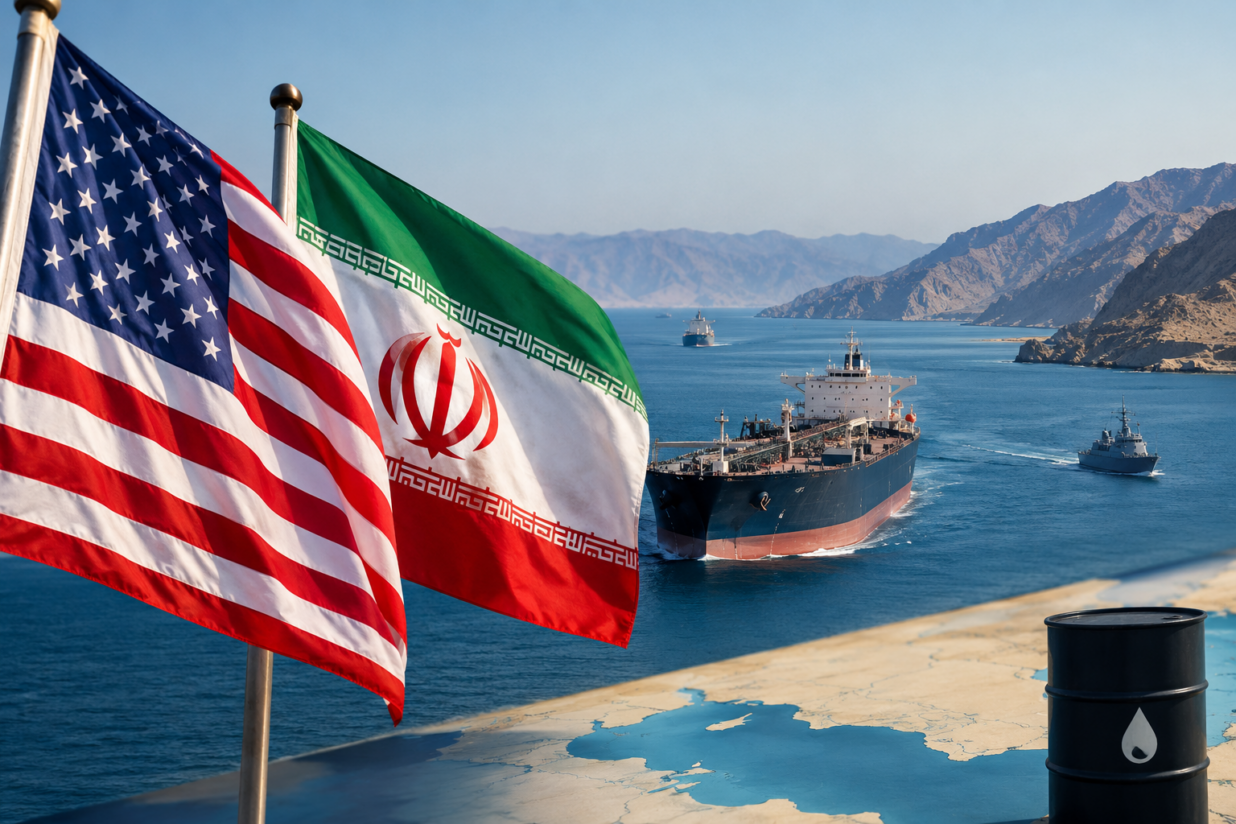
The Strait of Hormuz standoff remains a key concern for UAE residents as Iran’s reported plan to reopen the strategic waterway within seven days has not been accepted by US President Donald Trump, according to reports. The situation is being closely followed because any longer disruption could affect shipping, fuel prices, flights and the cost of imported goods.
Iranian Foreign Minister Abbas Araghchi stated that Tehran has forwarded the idea to Washington via Qatar. According to the agreement, Iran would resume normal marine commerce within seven days provided certain requirements were satisfied.
The stated requirements include a seven-day stop in regional conflicts, the removal of the US naval blockade of Iranian ports, the release of at least $12 billion in frozen Iranian assets, and the relaxation of sanctions on Iranian oil. Iran also wants negotiations over its nuclear program to continue.
Strait of Hormuz Standoff Keeps Shipping and Energy in Focus
The Wall Street Journal claimed that Trump rejected the plan, citing US sources familiar with the situation. Iran has stated that it will not accept threats or coercion in negotiations over the canal.
Iranian President Masoud Pezeshkian also told CBS News that Tehran will allow UN nuclear inspectors to return. He stated that procedures for inspections may be explored as part of larger discussions over Iran’s nuclear program.
The influence is also felt throughout the Gulf area. Saudi Arabia’s coalition said its air defences destroyed two Houthi drones on their way to Riyadh and subsequently intercepted a ballistic missile aimed toward Khamis Mushait.
Oman is also active in initiatives concerning the maritime crisis. During meetings in New York, Omani Foreign Minister Badr Albusaidi and Araghchi addressed regional concerns as well as secure transit via the Strait of Hormuz. Oman stated that the discussions covered initiatives to promote freedom of passage and international trade.
US Redirects Commercial Vessels
US Central Command announced that 122 commercial boats have been rerouted as part of efforts to impose the US blockade on Iran. The measure creates more uncertainty for maritime businesses operating along the critical canal.
The UAE’s key worries are energy pricing, transportation expenses, and imports. A lengthy interruption might increase freight and insurance costs, thereby affecting the prices of some imported goods. Changes in global oil prices might have an impact on UAE petrol and diesel prices.
UAE Flights Face Continuing Changes
Airports in the UAE remain open, however airline services to Iran and other international destinations continue to vary.
The UAE General Civil Aviation Authority has halted flights operated by Iranian airlines to and from the UAE beginning September 24 until further notice. Several foreign airlines have also modified their Dubai itineraries.
Air France has halted services to Dubai until October 13, while Singapore Airlines, KLM, ITA Airways, and SWISS have suspended flights until October 24. Wizz Air is slated to restart flights from Dubai on October 25 and Abu Dhabi on October 27.
Eurowings is now slated to resume Dubai operations on November 1, while Air Canada has suspended flights until mid-January 2027. Philippine Airlines is set to resume its Manila-Dubai route on October 2, initially four times per week. Turkish Airlines has restored services to Dubai and Abu Dhabi, while flights to Tehran are still blocked.
These timetables may vary due to security and operational requirements. Residents planning to travel in the next days should check with their airlines and airports before leaving.
The next big focus will be on whether the Strait of Hormuz reopens and if diplomatic efforts result in a broader deal. Until then, UAE citizens will need to monitor flight schedules, fuel costs, shipping activities, and the availability and pricing of imported products.
- Join our whatsapp channel for daily updates.
- Follow tazatimesnews Telegram Channel for latest news alerts.
- Follow TazaTimesNews on TruthSocial for exclusive updates
- Also read : Dandruff removal : Experts Share Simple Hair Care Tips for Naturally Removing Dandruff