
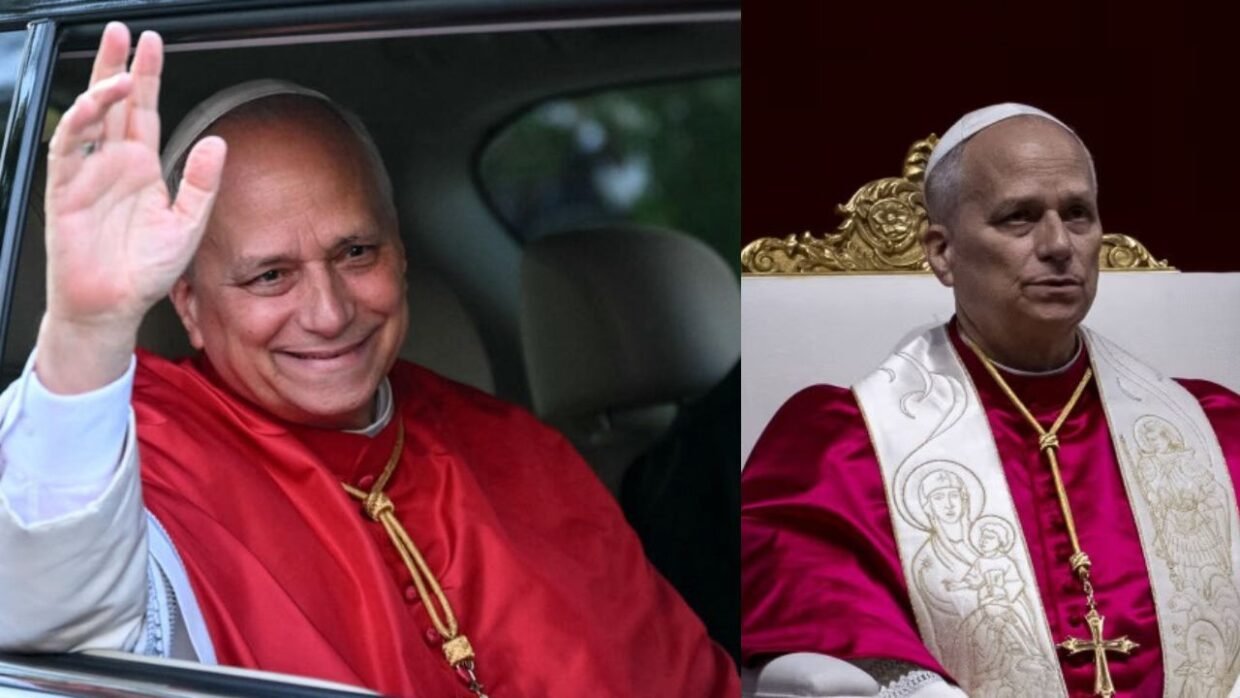
Pope Francis Travels to Equatorial Guinea : Pope Leo departs on Tuesday for Equatorial Guinea, governed by the world’s longest-serving ruler, on the penultimate stage of a four-nation Africa visit in which the pontiff has condemned authoritarianism and inequality.
Leo, who has angered President Donald Trump with his more outspoken remarks, will arrive from Angola, where he bemoaned on Monday that many people worldwide were being “exploited by authoritarians and defrauded by the rich.”
His words were the latest example of a powerful new speaking style he adopted while in Africa.
Pope Francis Speaks Strong Against Authoritarian Power
Pope Francis has once again spoken out against strict and domineering governments. During a recent speech, he admonished authorities against abusing authority and ignoring people’s rights. His message was straightforward and direct. He stated that leadership should serve people, not rule them.
This statement elicited both good and negative reactions globally. Many individuals commended the Pope for stating the truth and siding with ordinary citizens. However, some political leaders may interpret this as a critique of their system.
The Pope’s statements are significant because they arrive at a time when many countries are grappling with questions of freedom and government. His message emphasizes justice, equality, and human dignity.
Equatorial Guinea Visit Begins After Bold Statement
Equatorial Guinea is the Pope’s next trip after delivering his forceful message. This visit is regarded as very important. It demonstrates that, despite criticism of leadership styles, the Pope maintains his purpose of peace and togetherness.
Equatorial Guinea has received international attention for its political system. The Pope’s visit may draw attention to the country’s internal predicament. Many people expect him to speak about fairness, progress, and human rights during his visit.
People around the country are preparing to welcome him with optimism. Religious believers think that his visit will bring blessings and beneficial development. At the same time, political watchers are keeping a close eye on whether his statements have an impact on leadership.
Conclusion
This visit exemplifies a combination of bravery and diplomacy. On the one hand, the Pope is not hesitant to speak out against unethical activities. On the other hand, he continues to engage with countries personally. His trip to Equatorial Guinea is more than just a visit; it sends a message that leadership must be accountable and people must be valued.
This combination of harsh criticism and nonviolent outreach makes this a powerful and sensitive time in world politics.
- Join our whatsapp channel for daily updates.
- Follow tazatimesnews Telegram Channel for latest news alerts.
- Follow TazaTimesNews on TruthSocial for exclusive updates
- Also reads : Oil Price Surge as US-Iran Tensions Disrupt Strait of Hormuz