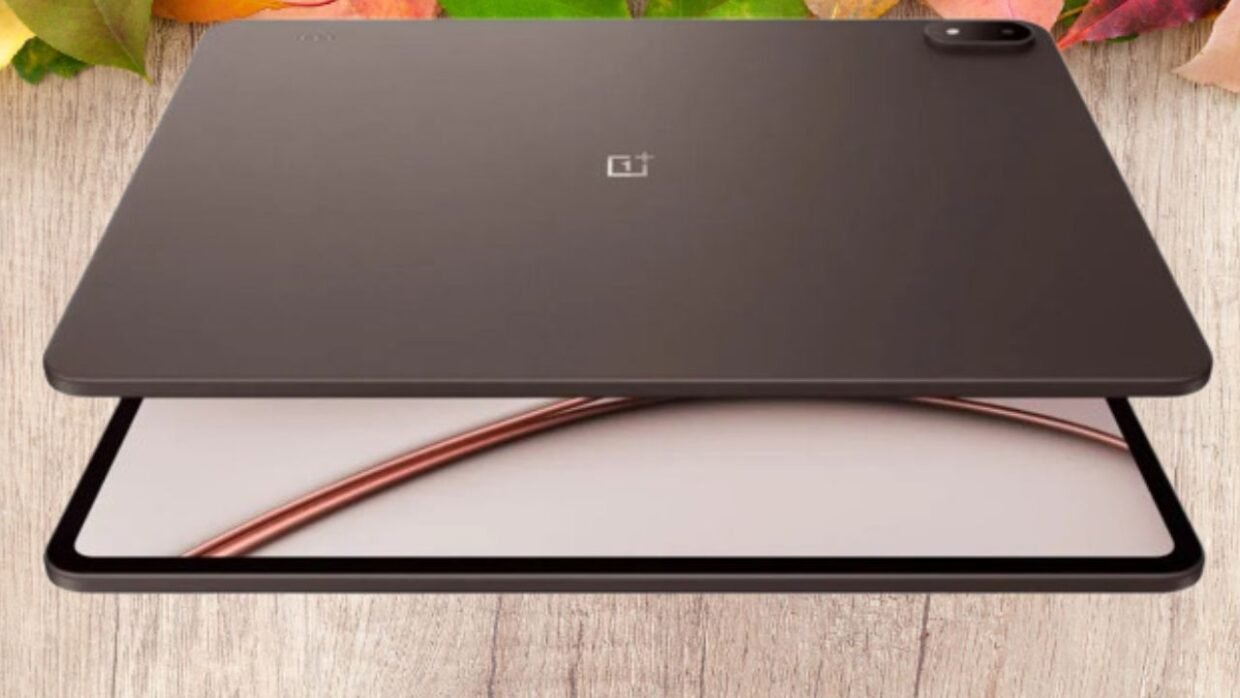
The introduction of the OnePlus Pad 4 in India is more than just another product launch; it represents a significant shift in how tech giants are rethinking tablets. Tablets have long struggled to find a place between smartphones and laptops. With this release, OnePlus makes a compelling case: tablets are no longer secondary gadgets; they are primary work and creative machines.
Why OnePlus Pad 4 Matters Right Now
The Indian premium tablet industry has long been dominated by a few established vendors, with little significant competition in the high-performance Android category. Most Android tablets have either been low-cost or designed for casual entertainment.
The Pad 4 modifies the equation.
By combining flagship-level hardware with productivity-focused software, OnePlus caters to people who desire a single device for work, leisure, and creativity. This is especially important in a post-pandemic environment when hybrid work, online learning, and content creation have become commonplace.
A Bigger Screen, But a Bigger Purpose
A 13.2-inch display may appear to be a spec boost, but it symbolizes a larger trend: tablets are becoming viable replacements to laptops.
This type of display is designed for the following purposes:
- Multitasking across apps
- Professional design work
- Extended content consumption without strain
In simple terms, it’s not about watching videos anymore—it’s about replacing your second device.
Performance Shift: Tablets Enter Laptop Territory
The introduction of Snapdragon 8 Elite Gen 5 is a significant advancement. This is the type of chip often found in high-end smartphones, and it is now powering a tablet meant for greater workloads.
What this means in practice
- Smooth multitasking without lag
- High-end gaming capability
- Faster app processing for productivity tools
This move shows that tablet makers are no longer compromising on power. Instead, they are positioning tablets as serious computing devices.
Battery as a Differentiator
A 13,380mAh battery is more than just a longer battery life; it is also more reliable. One of the most significant drawbacks of portable electronics has always been battery anxiety.
With this capacity and fast charging support, the gadget is clearly designed for:
- Full-day professional use
- Travel without constant charging
- Heavy content consumption
This becomes especially important in markets like India, where uninterrupted usage is a key buying factor.
AI Features: Real Utility or Just Buzzwords?
The integration of AI tools—writing, translation, transcription, and creative assistance—indicates a developing trend in personal computing.
But here’s the key takeaway: AI features are only valuable if they save time.
If implemented properly, these tools could:
- Help students summarize notes quickly
- Allow professionals to draft content faster
- Enable creators to experiment without extra software
If not, they risk becoming just another marketing highlight. The real test will be how seamlessly these tools fit into daily workflows.
The Rise of Tablet Productivity Ecosystems
With stylus support, drag-and-drop capabilities, and multi-window functionality, the Pad 4 is certainly heading toward a PC-like experience.
This mirrors a broader industry direction.
- Tablets are becoming modular workstations
- Accessories like stylus and keyboards are now essential
- Cross-device integration is becoming a priority
For users, this means fewer devices and more flexibility.
Pricing Strategy: Aggressive but Calculated
Starting at ₹59,999, the Pad 4 enters the luxury segment with aggressive positioning. It competes with laptops in terms of performance, but at a significantly lower price range.
This pricing indicates that OnePlus is not targeting casual customers. Instead, it is targeting:
- Professionals seeking portability
- Students investing in long-term devices
- Creators needing performance on the go
What This Means for the Future
- The arrival of the Pad 4 may cause a shift in the Indian tablet market:
- More brands may push flagship Android tablets
- Competition with laptops could intensify
- Software ecosystems will become the key battleground
If this trend continues, the line between tablets and laptops may blur even further in the next few years.
The Bigger Picture
This launch is about a category shift, not just one device. Tablets are transitioning from “extra screens” to “primary machines.”
And if firms like OnePlus continue along this path, the question will not be whether you need a tablet, but whether you still need a laptop at all.
- Join our whatsapp channel for daily updates.
- Follow tazatimesnews Telegram Channel for latest news alerts.
- Follow TazaTimesNews on TruthSocial for exclusive updates
- Also reads : Vivo S50 Pro Mini will come with an iPhone Air-like best style and cutting-edge functionality.