
Global oil prices fell substantially on Monday as investors reacted to potential progress in talks between the US and Iran. However, markets remained jittery because significant differences between the two countries have still to be settled.
Brent crude futures fell by more than 4% to about $99 per barrel, while US West Texas Intermediate (WTI) crude fell to around $92 per barrel. The drop sent oil prices to their lowest point in over two weeks.
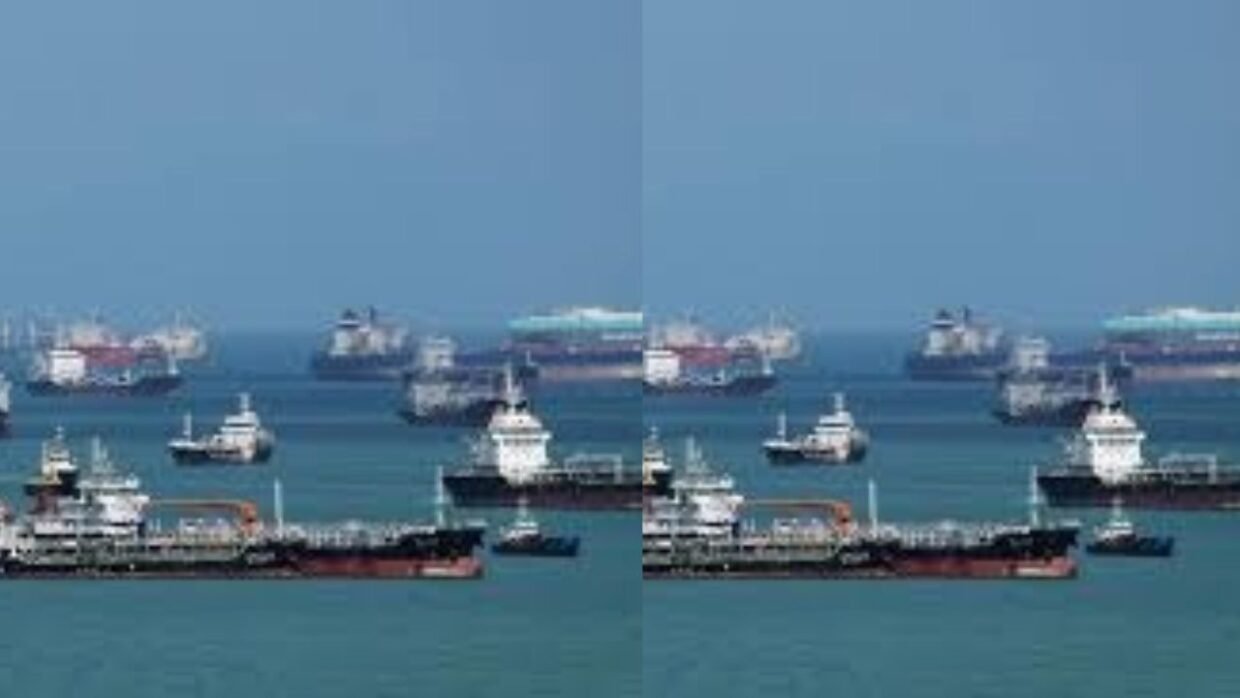
The rapid fall occurred after US President Donald Trump stated that Washington and Tehran had “largely negotiated” a possible arrangement to reopen the Strait of Hormuz. The waterway is one of the world’s most vital oil shipping routes, transporting a significant portion of global energy supply.
Oil Prices, Iran Talks Create Hope but Uncertainty Remains
Although traders cheered hints of diplomatic movement, analysts cautioned that the situation remains unpredictable. Trump later stated that there is “no rush” for a final solution and that the US naval blockade related to the conflict will stay in place until a formal agreement is made.
According to reports, the suggested accord may involve reopening the Strait of Hormuz and lowering tensions over Iran’s nuclear program. In exchange, Iran could be relieved of some economic sanctions. However, Tehran has not publicly acknowledged the information, which adds to the uncertainty in the negotiations.
According to energy experts, oil prices rose swiftly due to market concerns over a disruption in the Strait of Hormuz. Approximately one-fifth of worldwide oil and liquefied natural gas shipments typically transit through the limited route. Small changes in the region can have a significant impact on global fuel costs.
Analysts also warned that even if a peace agreement is struck soon, oil exports and maritime activities could take several weeks or months to fully recover. Supply disruptions may persist due to damaged infrastructure, security hazards, and tanker movement restrictions.
Global Oil Market, Economic Pressure Stay in Focus
The persistent tensions have already put significant pressure on global economies. Higher fuel prices in recent months have raised transportation and production expenses in several countries. Several economists fear that a prolonged disruption in Gulf energy exports will hinder global growth and raise inflation concerns.
Energy prices have an impact on stock markets, currencies, and consumer spending all across the world, therefore financial markets have been keenly watching the movements. While falling oil prices may help to alleviate inflationary pressures in the short term, investors remain concerned about the uncertain geopolitical environment.
Some market analysts predict oil prices could climb again if discussions fail or military tensions develop in the Middle East. Others predict prices to stay erratic until Washington and Tehran reach a long-term agreement.
The latest market movement demonstrates how vulnerable global energy markets are to political developments in the Gulf region. Traders, governments, and businesses are now awaiting the next step of US-Iran negotiations, which might determine the future path of oil prices in the following weeks.
- Join our whatsapp channel for daily updates.
- Follow tazatimesnews Telegram Channel for latest news alerts.
- Follow TazaTimesNews on TruthSocial for exclusive updates
- Also reads : UAE President Receives Diplomatic Call From Qatar Emir