
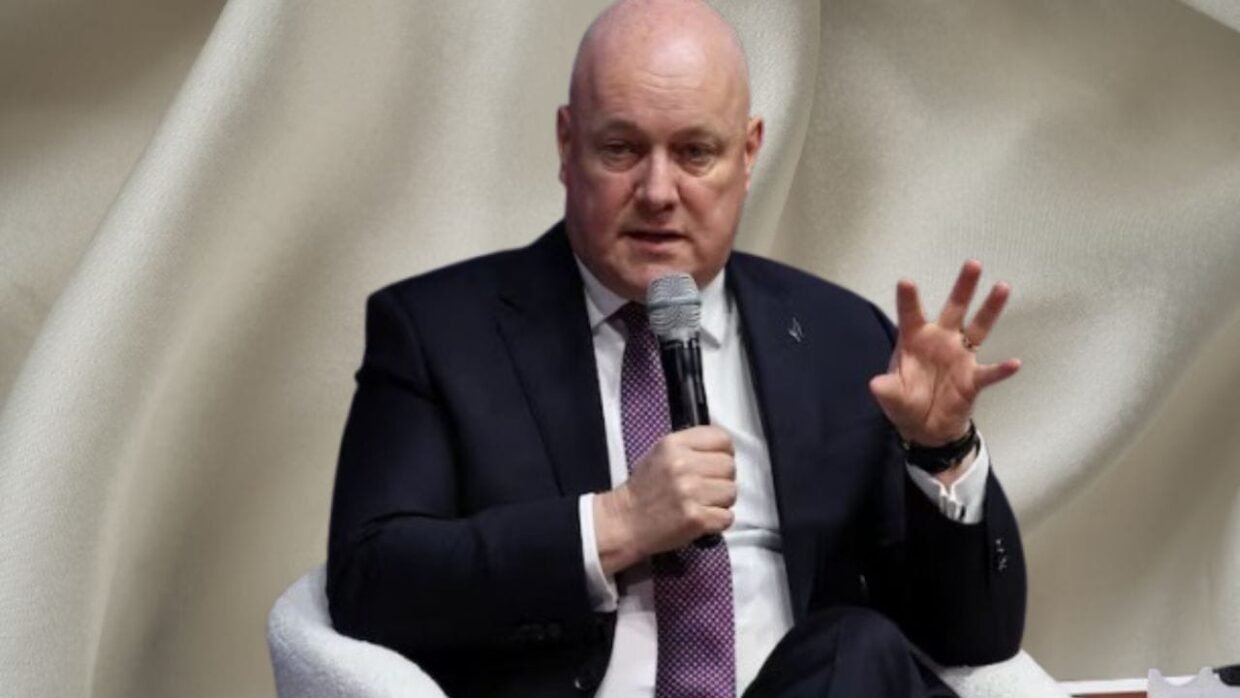
If his administration wins another term in office, New Zealand Prime Minister Christopher Luxon has stated that a referendum on the New Zealand Electoral System will be considered. His comments have reignited a nationwide debate over whether the country should keep utilizing its current voting system or explore a new election model.
Luxon told Newstalk ZB on Thursday that a referendum on New Zealand’s electoral system is “something we should consider.” He said that such a referendum may take place as early as 2027, assuming his government is restored to power in the November 7, 2026 general election.
According to Luxon, voters should check in on a regular basis to see if the current voting system still meets their democratic expectations. He also stated that periodically revising key constitutional provisions helps to retain public trust in the democratic system.
New Zealand Electoral System Could Face Another Referendum
In 1996, New Zealand implemented the Mixed Member Proportional (MMP) election system, which replaced the conventional first-past-the-post approach. The amendment was implemented in response to complaints that smaller political parties were not gaining fair representation in Parliament despite garnering significant public support.
MMP allows voters to cast two ballots. One vote is cast for a local electorate candidate, the other for a political party. The party vote heavily influences the number of seats each party wins in Parliament, making election results more proportional and giving minor parties a higher chance of participation.
The system has served to broaden the scope of political representation, but it has also made coalition governments a common feature of New Zealand politics. After elections, political parties frequently need to reach coalition agreements before a government can be formed.
MMP supporters say that coalition governments promote cooperation and represent a broader spectrum of public opinion. However, some argue that the procedure can cause delays in decision-making and confusion following elections.
Luxon believes New Zealanders should have another chance to evaluate whether the current election system is still the best option for the country. A similar referendum held in 2011 resulted in around 58% of voters voting to preserve the MMP system.
New Zealand Electoral System Debate Intensifies Before 2026 Election
The revived discussion comes just months before New Zealand’s parliamentary election on November 7, 2026, when Luxon will run for a second term as prime minister. His coalition government continues to promote its economic program as political competition heats up ahead of the election.
Luxon has stated that he supports another referendum to prolong New Zealand’s parliamentary term from three to four years. He has suggested that a longer term would provide governments with more time to execute key initiatives before facing another election.
According to constitutional scholars, changes to electoral systems can have long-term implications for political stability, party representation, and government formation. Any referendum would allow voters to decide whether New Zealand should preserve its present MMP system or switch to a different voting model.
Luxon’s words have reignited a national debate that could become a key topic in the 2026 election campaign. The outcome of the election and how voters evaluate the strengths and flaws of the country’s current democratic system will most likely determine if a referendum on the New Zealand Electoral System is held.
- Join our whatsapp channel for daily updates.
- Follow tazatimesnews Telegram Channel for latest news alerts.
- Follow TazaTimesNews on TruthSocial for exclusive updates
- Also reads : Hero Xtreme 160R 4V Combat Edition Uncovers What’s Inside