Iran War Enters Critical Phase – Hormuz in Focus
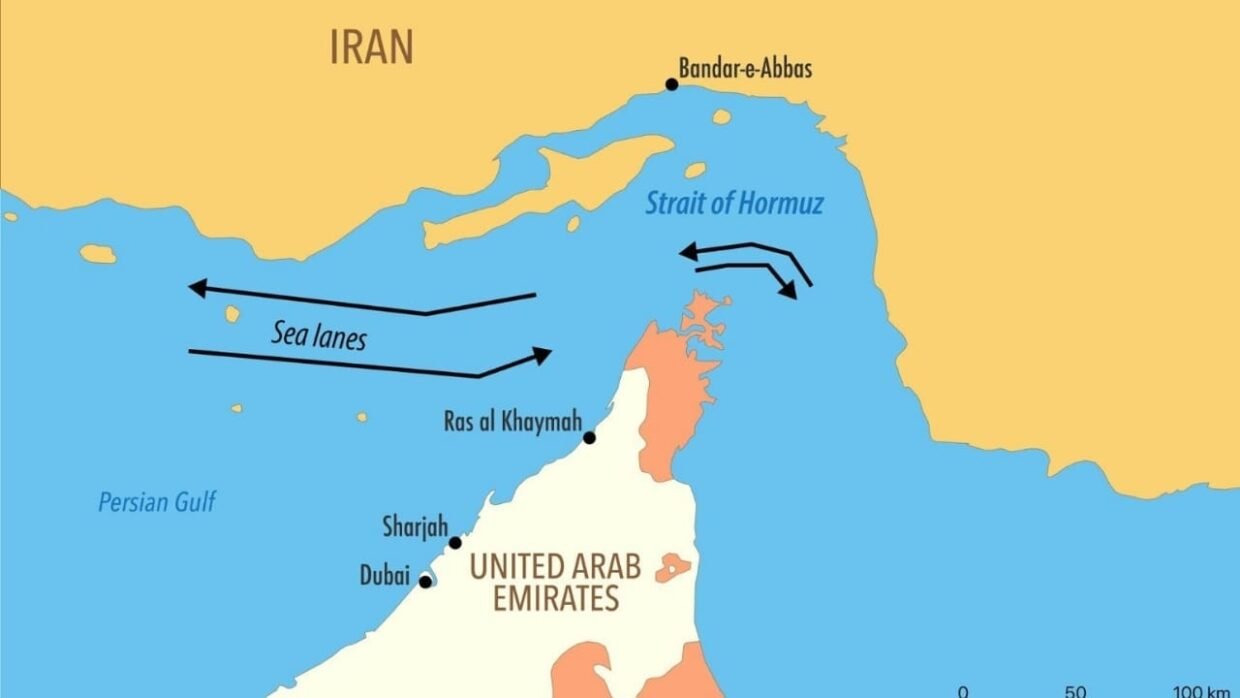
The war between the United States, Israel, and Iran has reached Day 25, with temperatures rising. The Strait of Hormuz, a vital oil conduit, has been the primary focus of the conflict.
Iran has warned of blocking the strait, which transports around 20% of the world’s oil supply. This action has already disrupted global trade and energy markets.
Military operations continue in the region, with strikes and counter-strikes reported in strategic places. The situation remains precarious, and global leaders are keenly monitoring it.
Strong Positive Push – Leaders Call for Peace and Reopening
US President Donald Trump and British Prime Minister Keir Starmer have asked Iran to reopen the Strait of Hormuz. They underlined that maintaining the route accessible is critical for global stability and economic balance.
Both leaders also encourage negotiations to defuse tensions and prevent further escalation. There have been reports of tentative negotiations, but Iran has denied any direct talks.
Also reads : US Fighter Jet Crash in Kuwait: War Tension Deepens as Confusion Grows
Global powers, particularly European and Asian countries, are also advocating for a peaceful resolution. There is a strong need for diplomacy to resolve the problem and secure global energy supply.
Negative Threat – Closure Risk Triggers Global Fear
Iran’s warning to shut the strait has raised serious concerns. Any complete shutdown may disrupt oil supply, raise fuel costs, and harm economies throughout the world.
Experts warn that if the situation is not resolved immediately, it might lead to a catastrophic energy catastrophe. Oil prices have already risen sharply as a result of tight supply and market concern.
There are also concerns about greater conflict as military pressure increases. Threats of new strikes and retribution make the situation much more hazardous by day.
Economic Impact – Oil, Trade and Markets Under Pressure
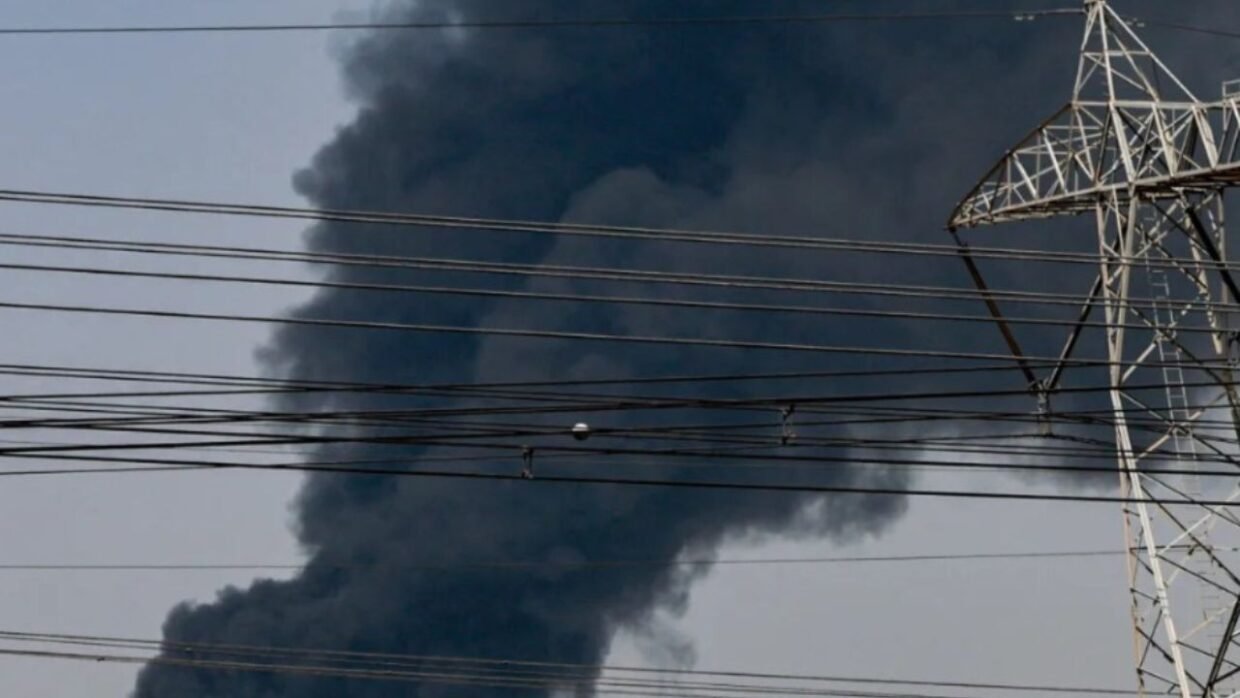
The ongoing conflict has already affected global markets. Energy infrastructure damage and shipping risks are causing long-term worries.
According to reports, many oil facilities were damaged, and repairs could take some time. This could keep prices high for an extended period of time, affecting daily lives around the world.
Shipping businesses are also avoiding the area, putting extra strain on supply chains.
Final View – Crisis Needs Fast Solution
The Iran war on Day 25 showed how rapidly a regional conflict may have a global influence. While leaders want peace, hazards remain high.
Reopening the Strait of Hormuz is now critical to easing tensions and stabilizing global markets. The upcoming days will be critical for both diplomacy and security.
- Join our whatsapp channel for daily updates.
- Follow tazatimesnews Telegram Channel for latest news alerts.
- Follow TazaTimesNews on TruthSocial for exclusive updates