
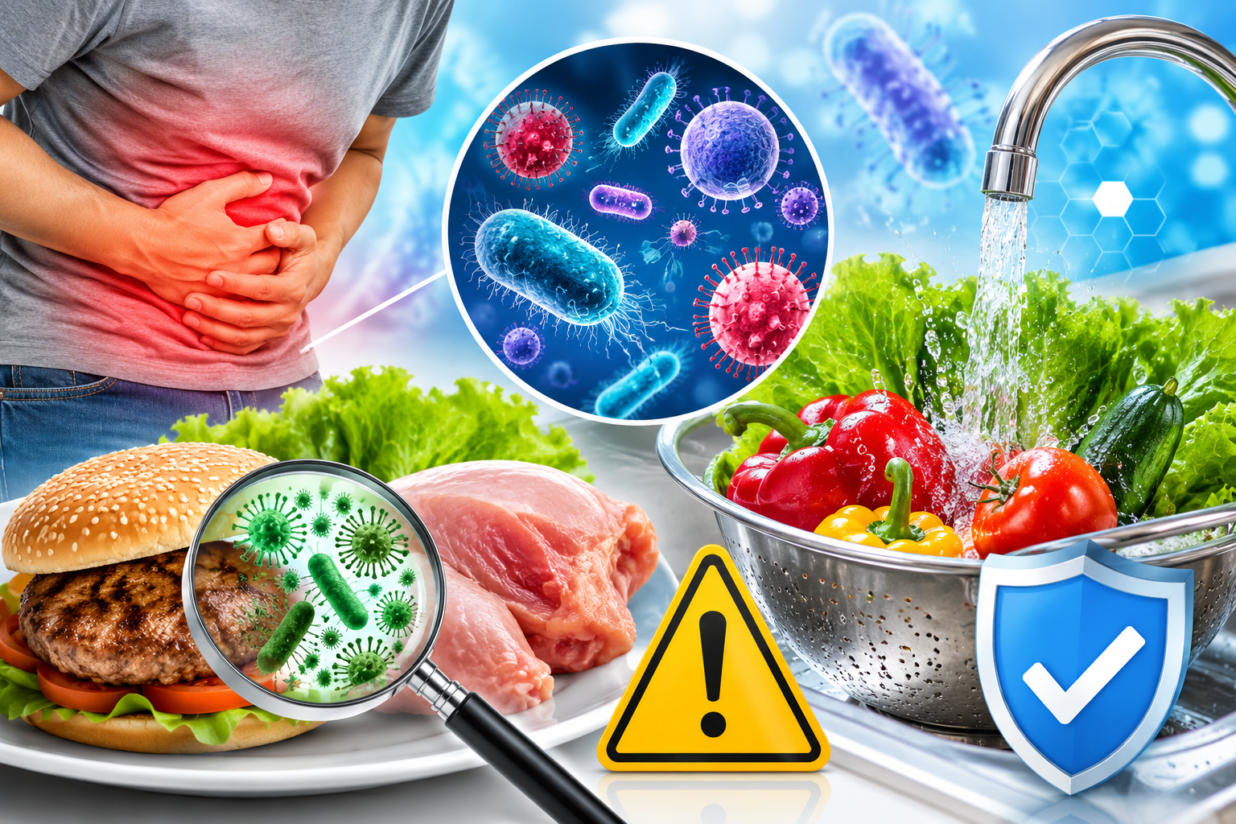
Understanding Foodborne Illnesses in the United States
Food safety experts are urging people to remain alert as foodborne illnesses continue to affect thousands of Americans every year. Although modern food production and stricter health regulations have improved safety standards, bacteria, viruses, and parasites can still contaminate food before it reaches the dinner table. Health officials say simple preventive steps at home can significantly reduce the risk of serious illness while helping families stay healthy.
Foodborne illnesses develop when hazardous microbes or poisons enter food through inappropriate handling, polluted water, infected workers, or unsafe storage conditions. While many people recover within a few days, severe infections can result in hospitalization or life-threatening complications, particularly in young children, the elderly, pregnant women, and those with compromised immune systems.
Public health organizations continue to monitor outbreaks throughout the year, tracing contaminated goods and collaborating with manufacturers to avoid further spread. Recent investigations into food-related illnesses have underlined the significance of prompt reporting and collaboration between health departments and food suppliers.
Common Germs Behind Foodborne Illnesses
The majority of foodborne infections in the United States are caused by a variety of pathogens. Salmonella is one of the most well-known, having been connected to undercooked poultry, eggs, raw produce, and contaminated food products. Infection can induce diarrhea, fever, stomach pains, and dehydration.
Listeria is considered especially harmful since it can live in refrigerated foods. It is commonly associated with deli meats, soft cheeses, smoked fish, and unpasteurized dairy products. This bacterium poses the greatest risk of severe illness to pregnant women, newborn newborns, and the elderly.
Shigella is another prevalent cause, which can be spread by contaminated food, water, or poor hygiene. It typically causes diarrhea, stomach pain, and fever. Good handwashing is still one of the most efficient techniques to avoid transmission.
Norovirus is one of the most common causes of foodborne illness worldwide. The virus spreads rapidly via contaminated food, surfaces, or intimate contact with sick people. The virus is very contagious, thus outbreaks are common in restaurants, schools, cruise ships, and healthcare facilities.
Cyclospora Infections and Ongoing Health Investigations
Health experts are particularly concerned about Cyclospora, a tiny parasite that has caused many outbreaks in recent years. The parasite is typically transmitted via contaminated fresh fruits, vegetables, or water. Symptoms typically develop many days after exposure and include persistent watery diarrhea, stomach cramps, nausea, tiredness, and lack of appetite.
Authorities in Michigan are currently investigating a large spike in Cyclospora illnesses while attempting to pinpoint the source of contamination. Officials advise anyone having persistent gastrointestinal symptoms to seek medical attention as soon as possible, since an early diagnosis can help guide appropriate treatment.
Foodborne Illnesses Prevention Tips for Families
Experts propose a variety of regular activities to reduce the risk of foodborne disease. These include properly cleaning fresh produce, cooking meat, poultry, seafood, and eggs to safe temperatures, separating raw and cooked foods, storing perishable products immediately, and washing hands before making meals. Consumers should also be aware of food recalls and expiration dates.
According to medical specialists, food safety is a shared responsibility among farmers, food processors, restaurants, merchants, and customers. As food supply chains become more global, maintaining stringent cleanliness standards and responding quickly to outbreaks are critical to preserving public health and decreasing unnecessary illnesses.