
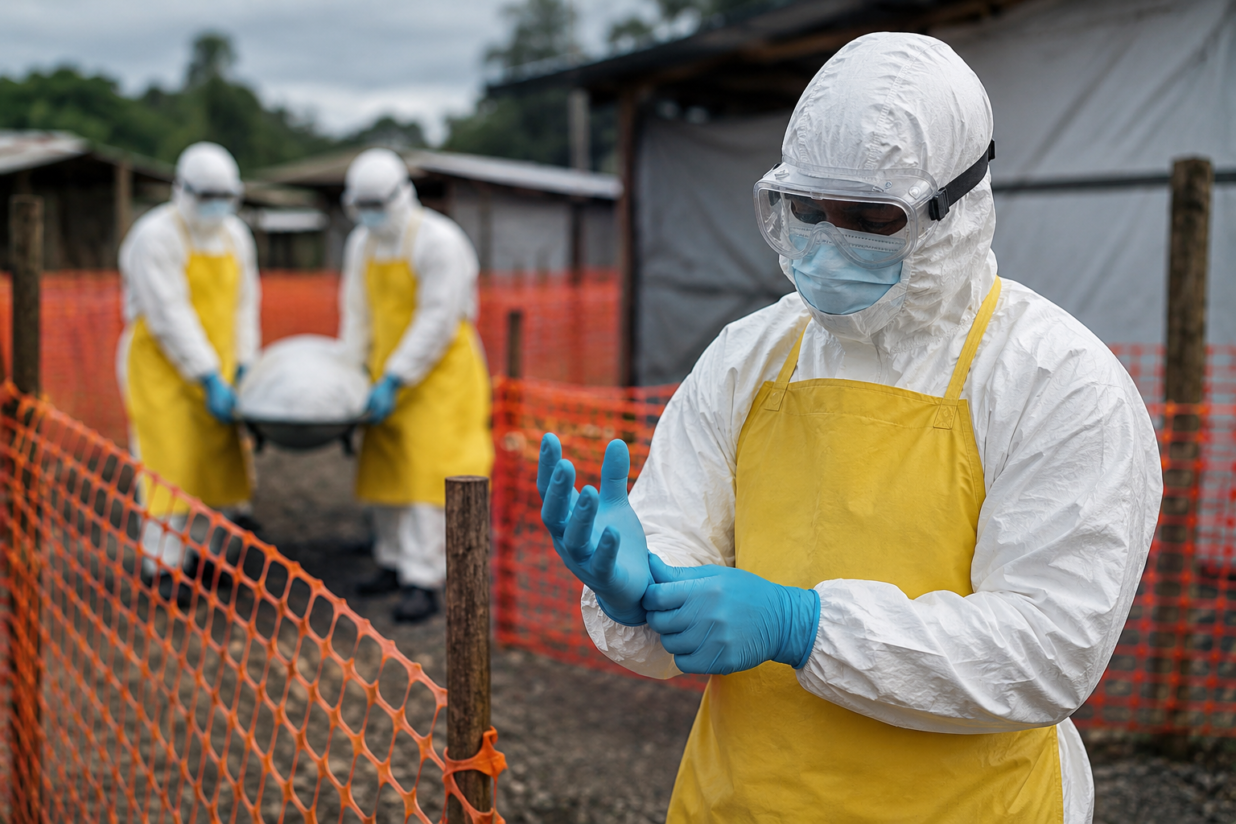
Congo Ebola Cases : The Democratic Republic of the Congo has reported over 3,000 confirmed Ebola cases, marking a significant milestone in the country’s continuing health catastrophe. Official numbers released on July 25 show that the disease has spread despite substantial attempts by health officials and international agencies to contain it.
Medical teams are still focused on discovering new infections, treating patients, and stopping further transmission, but health experts warn that the response is becoming more difficult in conflict-affected areas.
Congo Ebola Cases Continue to Rise as Health Teams Expand Response
Health officials announced that the overall number of Congo Ebola cases has now surpassed 3,000, with new laboratory-confirmed infections discovered as a result of intensified testing and surveillance. The latest data reflect ongoing investigations and improved case detection in the affected areas.
The outbreak is mostly centered in eastern Democratic Republic of Congo, where insecurity, population displacement, and limited access to distant areas impede response operations. These conditions make it difficult for healthcare staff to swiftly identify infected patients and track down those who may have been exposed.
The present outbreak is associated with the Bundibugyo strain of the Ebola virus, a rare type for which no vaccine has been approved. While researchers continue to examine potential vaccines and therapies, health workers rely on early diagnosis, supportive medical care, and tight infection-control measures.
Ebola is spread by direct contact with an infected person’s bodily fluids or contaminated things. Fever, weakness, headache, and muscle discomfort are early signs, but if patients do not receive prompt medical attention, the disease can progress to a severe state. According to health professionals, early detection and treatment can greatly increase survival rates.
Congo Ebola Cases Highlight Need for Stronger Global Support
Congolese health authorities, in collaboration with the World Health Organization (WHO) and other international partners, are stepping up laboratory testing, disease surveillance, and public awareness efforts to prevent the virus’s spread. Medical teams are also working to improve infection prevention procedures in hospitals and Ebola treatment centers.
Officials continue to urge communities to report suspected diseases promptly, work with contact-tracing teams, and observe proper burial practices. Public cooperation continues to be one of the most essential variables in outbreak management.
According to experts, larger confirmed case numbers can also indicate wider testing and better surveillance, allowing health workers to identify illnesses that might otherwise go undiagnosed. More accurate data enables authorities to focus medical supplies and emergency personnel to places in greatest need.
The outbreak has put immense strain on Congo’s healthcare system, with frontline workers confronting a scarcity of personnel, medical equipment, and crucial supplies. Security concerns in conflict-affected areas have made it even more difficult to visit certain people and offer timely treatment.
Although Ebola remains a major public health hazard, doctors point out that it does not spread via the air like respiratory diseases. Instead, infection occurs through direct contact with infected people’s bodily fluids, making good cleanliness and infection-control measures extremely efficient in limiting transmission.
With Congo Ebola cases now over 3,000, health officials say ongoing international cooperation, increased surveillance, and community participation are critical to bringing the outbreak under control and preventing further loss of life.
Follow TazaTimesNews
- Join our whatsapp channel for daily updates.
- Follow tazatimesnews Telegram Channel for latest news alerts.
- Follow TazaTimesNews on TruthSocial for exclusive updates
Also reads
Trump Air Force One to Receive ‘Maxed Out’ Upgrades After Qatar Aircraft Deal