
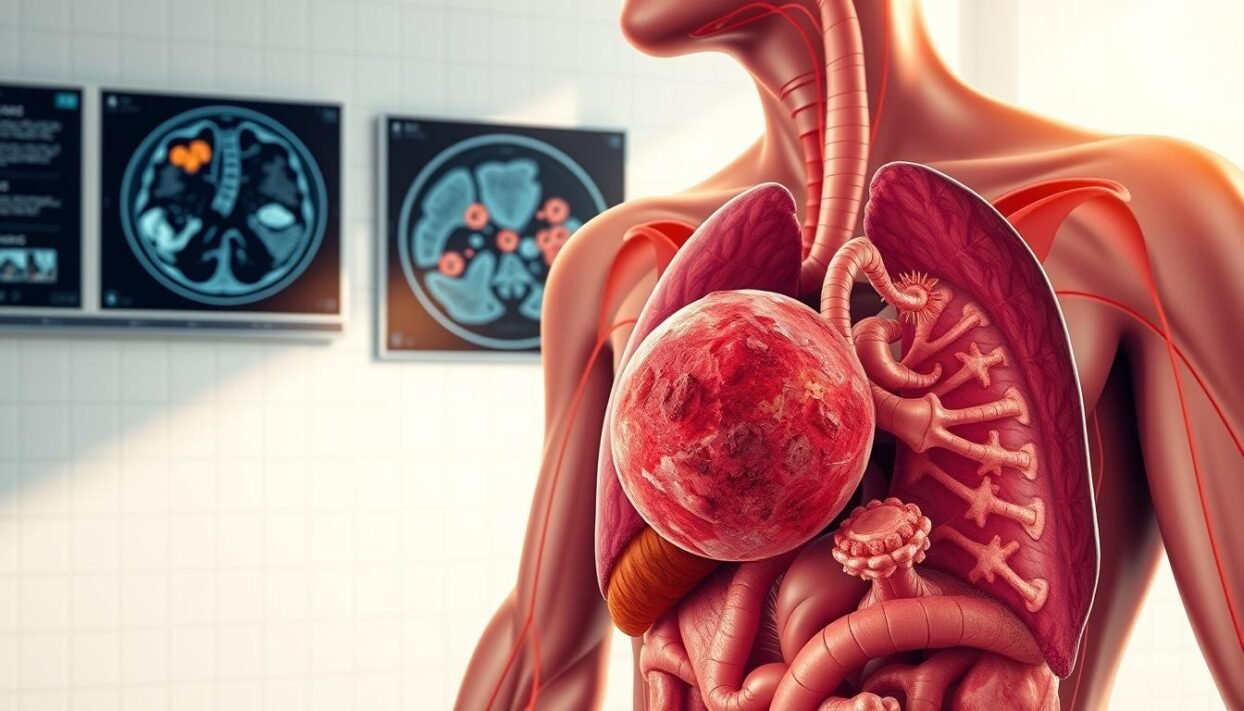
Cancer : This guide is for you. It offers a clear, practical look at cancer and its impact in India. You’ll learn about cancer symptoms and how it’s diagnosed in clinics and screening programs.
Cancer is a big problem worldwide. In India, cancers like breast, cervical, oral, lung, and colorectal are common. They’re getting more common as people live longer and lifestyles change. Finding cancer early is becoming more common too.
Learn what to watch for and when to get help. Understand your treatment options like surgery, radiation, and chemotherapy. This guide also talks about supportive care, survivorship, and practical issues like legal and financial rights at work.
The information here comes from trusted sources like the World Health Organization and the Indian Council of Medical Research. It also includes data from the National Cancer Grid and major centers like Tata Memorial Centre and All India Institute of Medical Sciences. This ensures you get the latest, evidence-based information.
Understanding cancer: an overview for you
Understanding cancer starts with a simple idea. Normal cells start dividing without control. These cancer cells then grow out of control, affecting blood-forming tissues like in leukemias and lymphomas.
What is cancer on a biological level? It involves genetic and epigenetic changes. These changes affect how cells divide and grow. They also help cancer cells spread to other parts of the body.
Staging and grading help understand cancer’s scope and behavior. The TNM system shows how far cancer has spread. Grade reflects how abnormal cells look and hints at their aggressiveness. This knowledge is key to why early screening and treatment are important.
In India, common cancers are linked to specific exposures and infections. Breast cancer rates are rising among urban women. Cervical cancer is a major concern due to low screening and limited HPV vaccine use. Oral cancer is high due to tobacco and betel quid use.
Worldwide, lung, colorectal, breast, prostate, and stomach cancers are common. In India, lung and colorectal cancers are increasing due to smoking and diet changes. Age and gender also play a role in cancer patterns.
Cancer risk factors include genetic and lifestyle factors. Genetic factors like BRCA1/2 and TP53 increase risk. But lifestyle factors like tobacco use, alcohol, poor diet, and obesity are more common causes.
You can lower your cancer risk by making lifestyle changes. Quitting tobacco and adopting a healthy diet and exercise routine can help. Vaccines like the HPV vaccine also play a crucial role in preventing certain cancers.
Public health efforts are key to reducing cancer risk. Support for tobacco control laws and expanded screening programs can help. Knowing how cancer develops helps you make better choices for prevention and early detection.
Recognizing symptoms and early warning signs
Many cancers can be caught early if you know what to look for. Early symptoms are often vague but spotting changes can lead to early diagnosis. This can greatly improve your chances of recovery.
General symptoms to watch for:
- Unexplained weight loss greater than 10% over months and unexplained weight loss that you cannot explain.
- Persistent fatigue that does not improve with rest or sleep.
- Unexplained fever or night sweats that keep coming back.
- New lumps, persistent pain, or unexplained bleeding and bruising.
- Changes in bowel or bladder habits, persistent cough, hoarseness, or non-healing sores.
These signs are important because they can mean different things. But if they keep happening or get worse, they could be cancer red flags. Watch how long they last and how they change.
Practical advice for monitoring:
- Keep a simple symptom diary noting start date, severity, and any trend.
- Do not dismiss new problems as just aging. Persistent symptoms merit attention.
- If you have risk factors like family history or tobacco use, act sooner and seek screening where available.
Also reads : Dandruff removal : Experts Share Simple Hair Care Tips for Naturally Removing Dandruff
General symptoms to watch for
Persistent fatigue and unexplained weight loss are common urgent cancer symptoms. They can appear with infections or other illnesses. If they last beyond a few weeks, seek evaluation.
Symptom patterns by cancer type
Breast cancer symptoms: A new lump or thickening in the breast or armpit, changes in shape or skin such as dimpling, and nipple discharge or inversion. Know your normal and get clinical breast exams and mammography when advised.
Lung cancer signs: A cough that does not go away, coughing up blood, breathlessness, chest pain, or repeated chest infections. Smokers should be particular and seek urgent evaluation for persistent symptoms.
Cervical cancer symptoms: Abnormal vaginal bleeding after sex, between periods, or after menopause, plus unusual discharge and pelvic pain. Regular Pap smear and HPV testing remain key screening tools.
Oral cancer signs: Mouth ulcers that do not heal for more than two weeks, white or red patches, lumps, trouble chewing or swallowing, and persistent mouth pain. Dentists often spot early oral cancer signs during exams.
Prostate cancer symptoms: Early prostate cancer symptoms may be absent. Later signs include urinary hesitancy, weak flow, blood in urine or semen, and pelvic discomfort. PSA testing and digital rectal exams guide evaluation based on age and risk.
When to see a doctor: red flags and timely action
Seek medical care promptly for any unexplained lump, persistent bleeding, blood in sputum or stool, non-healing ulcer beyond 2–3 weeks, or unexplained weight loss over months. Persistent cough or hoarseness lasting more than three weeks counts as urgent.
When you decide to see a doctor for cancer, bring a brief symptom record, family history, a medication list, and questions. Expect a focused exam and basic tests or referrals to specialists. Early diagnosis often opens more treatment options.
Diagnosis: tests, screenings, and what to expect
When you think you might have cancer or need a check-up, knowing what to expect can ease your mind. In India, public programs and hospitals help with screenings. Private centers offer more advanced tests. Be ready with questions to understand each step.
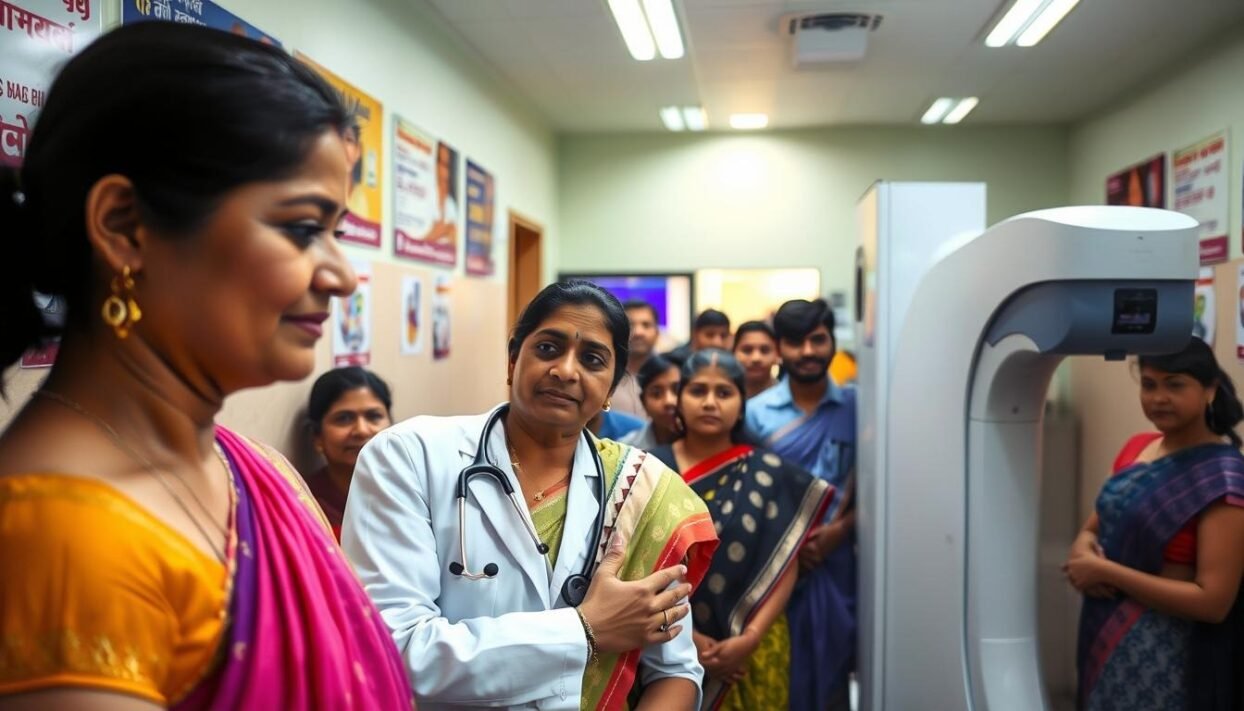
Screening programs and guidelines
India has national efforts for cancer screening. These include opportunistic checks and targeted drives. The focus is often on cervical and breast screenings for certain age groups.
The National Cancer Grid sets guidelines for who should be screened and how often. State initiatives also play a role in these efforts.
HPV vaccination is being rolled out in different states. It helps lower the risk of cervical cancer when combined with screening. Primary health centers and NGOs are working to reach more people, closing the gap between urban and rural areas.
Common diagnostic tests
Tests for cancer start with simple blood work and physical exams. They then move to imaging and tissue sampling if needed. Ultrasound and X-ray might be the first steps.
For detailed staging, CT scans, MRI, and PET-CT are used at major centers. Biopsy is the most accurate test. There are different types of biopsies, like FNAC and core needle biopsy, to get tissue for analysis.
Endoscopy, colonoscopy, or bronchoscopy might be needed to see and sample internal lesions. Blood tests, like complete blood counts and organ function panels, are also used. Tumor markers, such as AFP and PSA, help track the disease but don’t confirm it.
Interpreting results and discussing them
Your pathology report will tell you about the cancer type, grade, and more. Imaging reports describe the size and spread of the cancer. These details help plan treatment.
If results are unclear, more tests might be suggested. You should ask for written reports and any clarification on prognosis and treatment options. A team of experts at places like Tata Memorial or state regional institutes will review complex cases.
Be ready with questions for your oncologist about treatment goals, side effects, and timelines. Understanding your test results helps you make informed decisions about treatment.
Treatment options and decision-making for patients
Choosing a treatment plan can feel overwhelming. You will weigh goals, side effects, logistics, and costs. Your team will explain options such as cancer surgery, radiation therapy, chemotherapy, targeted therapy, and immunotherapy so you can decide what fits your life and values.
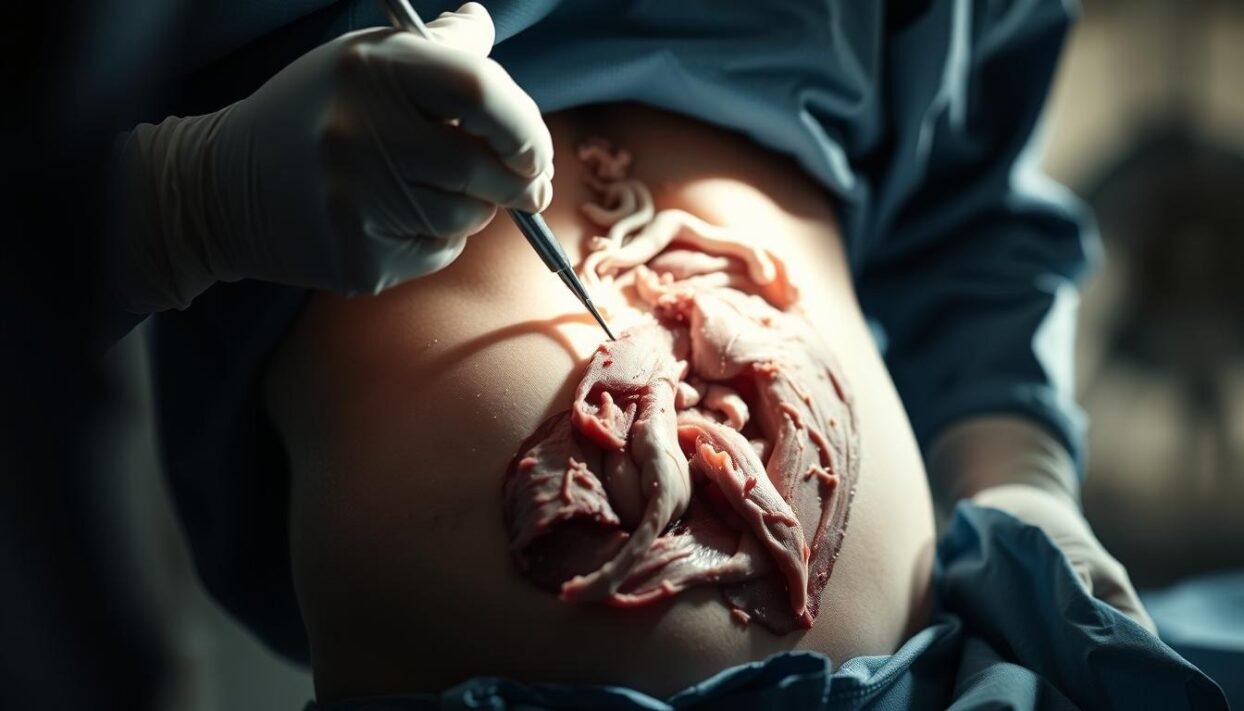
Surgery: types, recovery, and considerations
Surgery often offers the best chance of cure for localized tumors. Procedures range from local excision and tumor resection to radical resections like mastectomy and colectomy. Minimally invasive cancer surgery, including laparoscopic and robotic approaches, can reduce pain and shorten hospital stays.
Preoperative planning includes imaging, biopsy, and fitness assessment. You should discuss risks, alternatives, and reconstructive options if you face a mastectomy. Enhanced recovery protocols speed surgical recovery and lower complications.
After surgery, wound care, pain control, and physiotherapy help you return to daily life. Long-term effects such as lymphedema or functional changes may need ongoing management through cancer rehabilitation and symptom management.
Radiation therapy: how it works and side effect management
Radiation therapy uses ionizing radiation to damage cancer cell DNA and cause cell death. It can be given as external beam radiation or as brachytherapy placed near the tumor. Techniques such as IMRT, VMAT, stereotactic radiosurgery, and SBRT improve precision.
Treatment planning uses CT simulation and immobilization devices to target the tumor and spare healthy tissue. Schedules vary from daily fractions over weeks to hypofractionated courses when appropriate.
Radiotherapy side effects include skin changes, fatigue, and mucositis. Late effects can involve fibrosis or organ damage. Cancer supportive care focuses on skin care, nutrition, medications, and close follow-up. In radiation in India, major centers provide advanced options, though travel and accommodation need planning.
Chemotherapy and systemic treatments, including targeted therapy and immunotherapy
Chemotherapy uses cytotoxic drugs to attack dividing cells and remains a core systemic cancer treatment. You may receive IV infusions or oral regimens in cycles with blood test monitoring. Central lines such as PICC or port-a-cath are common for repeated dosing.
Chemo side effects include nausea, hair loss, neutropenia, and neuropathy. Supportive measures like antiemetics, growth factors, and dose adjustments reduce risks. Biologics and targeted therapy block specific molecular drivers; they need molecular testing to confirm benefit.
Immunotherapy, including PD-1/PD-L1 and CTLA-4 inhibitors, can produce lasting responses in some patients. Immune-related adverse events require specialist care and sometimes steroids. Cost and access vary; biosimilars, patient assistance, and government schemes may help with affordability.
Supportive care, palliative options, and rehabilitation
Supportive care aims to manage pain, nausea, fatigue, and psychological distress while preserving quality of life. Palliative care cancer services work alongside curative treatments to control symptoms and coordinate care.
Cancer rehabilitation provides physiotherapy, occupational therapy, speech therapy, lymphedema management, and prosthetic support when needed. Pain control follows the WHO analgesic ladder. Improved access to opioids like morphine in India makes effective pain relief more available.
Talk openly about goals of care, advanced directives, and second opinions at major cancer centers when needed. Your care team will guide you toward balanced choices that match your priorities and support long-term recovery.
Living with cancer: support, survivorship, and your rights
Cancer changes your life in many ways. You need to know about emotional support, practical help, and your rights at work and in healthcare. Use local resources and plan ahead to make life easier now and in the future.
Emotional, social, and financial support resources in India
Start with counseling at places like Tata Memorial Centre for oncology counseling India. They offer psycho-oncology services. Peer groups at Cankids and Karunashraya help families cope. Local cancer NGOs India often arrange accommodation, transport, and caregiver support near hospitals.
Check early for financial assistance cancer through Ayushman Bharat and state schemes. Many hospitals have social workers who guide you to funds and patient programs. If you plan crowdfunding, keep records and be transparent about your needs.
Nutrition, exercise, and lifestyle during and after treatment
Talk to a clinical dietitian about cancer nutrition and a safe diet during chemotherapy. Focus on calories and protein to prevent weight loss and manage side effects. Use supplements only if a dietitian recommends them.
Regular activity helps recovery. Physiotherapists and survivorship programs can design routines for exercise cancer survivors. Simple walking, gentle yoga, or guided resistance work can be part of rehabilitation.
Adopt lifestyle changes cancer survivors benefit from: stop tobacco, limit alcohol, protect skin from sun, and keep follow-up appointments for surveillance scans and cardiac or bone checks as needed.
Work, insurance, and legal considerations for patients
Plan your return to work and know your workplace rights cancer patients have. Discuss sick leave, flexible hours, or phased returns with your employer. Occupational health or a treating physician can suggest reasonable workplace adjustments.
Review cancer insurance India policies and confirm network hospitals, pre-authorization rules, and exclusions before treatment starts. Government schemes such as Ayushman Bharat provide coverage for many eligible patients, easing out-of-pocket costs.
Gather documentation to claim disability benefits India where available. Keep treatment summaries, test reports, and consent forms handy. If you face discrimination at work, seek legal aid or help from advocacy groups that work with cancer NGOs India.
Practical tips to stay organized
- Keep a folder with medical records, treatment summaries, and advance directives.
- Ask hospital social workers for applications to schemes and for referrals.
- Create a simple budget to estimate likely costs and identify sources of financial assistance cancer.
- Use peer support and online communities to reduce isolation and share tips.
Conclusion
This cancer summary reminds us that cancer happens when cells grow wrong. Early detection in India, like Pap/HPV screening and breast exams, saves lives. If symptoms last too long, get checked by a doctor right away.
Getting a quick diagnosis and talking to a team of experts helps you understand your treatment options. This is key to beating cancer.
Your takeaway from cancer care is to stop smoking and get the HPV vaccine if you can. Use both public and private resources for diagnosis and care. Supportive care and planning for life after cancer are crucial for recovery and a good quality of life.
National cancer centers, NGOs, and government programs can help with financial, emotional, and practical needs. They offer support and guidance.
Many cancers can be treated, and early action makes a big difference. Talk to your doctor, get screened, and rely on family or community support when needed. Remember, staying informed, acting early, and using available resources are key to making the best health choices.
FAQ
What is cancer in simple terms and how does it start?
Cancer happens when cells in your body grow too much and don’t stop. These cells can form tumors or affect blood and immune cells. Things like tobacco, viruses, and lifestyle choices can cause this.