
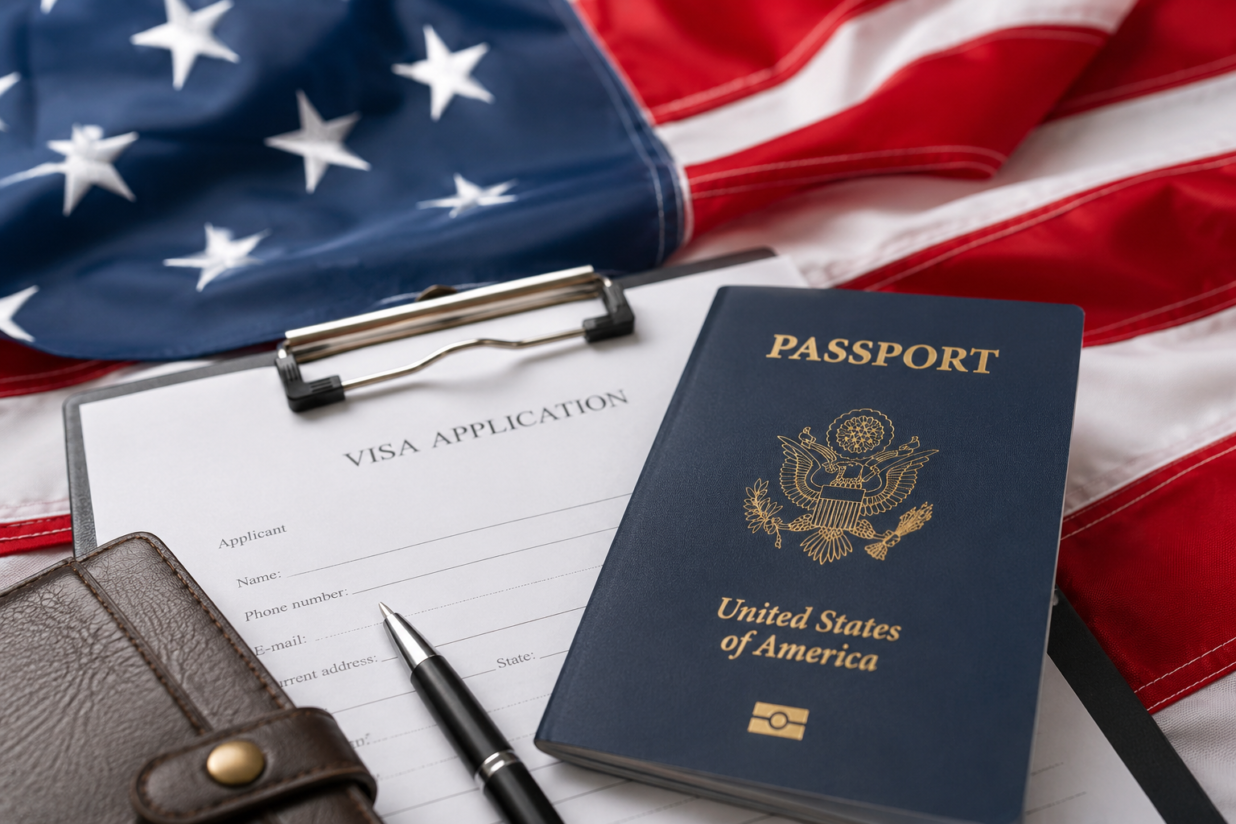
The United States has announced that the US Visa Bond Program would be made permanent as part of its immigration policy, which authorities hope will assist reduce visa overstays. Critics, however, believe that the new rule will increase the cost and difficulty of travel for thousands of genuine visitors from developing nations.
The US State Department has verified that the rule will go into force on August 3, 2026. It applies to applicants from 50 countries seeking B1 business visas and B2 tourist visas, with the majority of them being in Africa. According to officials, the decision is the result of a trial program initiated in 2025 that offered sufficient data to support the program’s permanent deployment.
US Visa Bond Program Becomes Permanent After Pilot Success
The new rule may compel qualifying applicants to deposit a refundable financial bond of up to $20,000 before receiving a visa. The prior bond maximum was $15,000, and the lowest bond option of $5,000 has been withdrawn. US consular personnel will determine the exact amount depending on specific circumstances.
According to the State Department, the bond system is intended to discourage visa overstays and encourage compliance with immigration regulations in the United States. If a traveler adheres to all visa rules and leaves the United States within the time frame specified, the bond should be repaid. Applicants whose visas are denied will also be given a refund.
Officials believe the program increases immigration enforcement by focusing on applicants from nations with a higher likelihood of visa overstays or other immigration-related issues.
How the US Visa Bond Program Works
The visa bond requirement only applies to specific B1 and B2 visa applicants from the program’s participating nations. A consular officer may compel an applicant to deposit a bond before issuing a visa.
The government refers to the bond as a refundable security precaution rather than a punishment. Travelers who follow all visa restrictions and leave the United States on schedule should receive their money back after their trip.
Also reads : Dandruff removal : Experts Share Simple Hair Care Tips for Naturally Removing Dandruff
US Visa Bond Program Draws Praise and Criticism
While US officials see the program as a useful tool for enforcing immigration laws, immigration groups and civil rights organizations have expressed concerns.
Critics believe that requiring applicants to deposit thousands of dollars may deter real visitors, business travelers, students, and families from visiting the United States. They further claim that the program may disproportionately affect residents in low-income countries.
Some advocacy groups have questioned whether focusing the initiative on predominantly African countries will result in unequal treatment or perceptions of prejudice. They caution that many legal passengers may decline to apply simply because they cannot pay such a high refundable fee.
Supporters of the concept claim that the financial demand encourages tourists to follow visa restrictions and lowers the expense of enforcing immigration regulations. US officials contend that the bond is meant to improve compliance rather than punish tourists.
What Travelers From 50 Countries Should Know
The move is part of the Trump administration’s broader drive to tighten immigration rules. Recent initiatives have included increased immigration fees and additional screening criteria for specific candidates.
As the US Visa Bond Program becomes permanent, travelers from impacted nations should carefully consider the additional requirements before applying for a business or tourist visa. Immigration experts are likely to closely watch the policy’s impact on future visa applications, international tourism, and business travel to the United States.
- Join our whatsapp channel for daily updates.
- Follow tazatimesnews Telegram Channel for latest news alerts.
- Follow TazaTimesNews on TruthSocial for exclusive updates