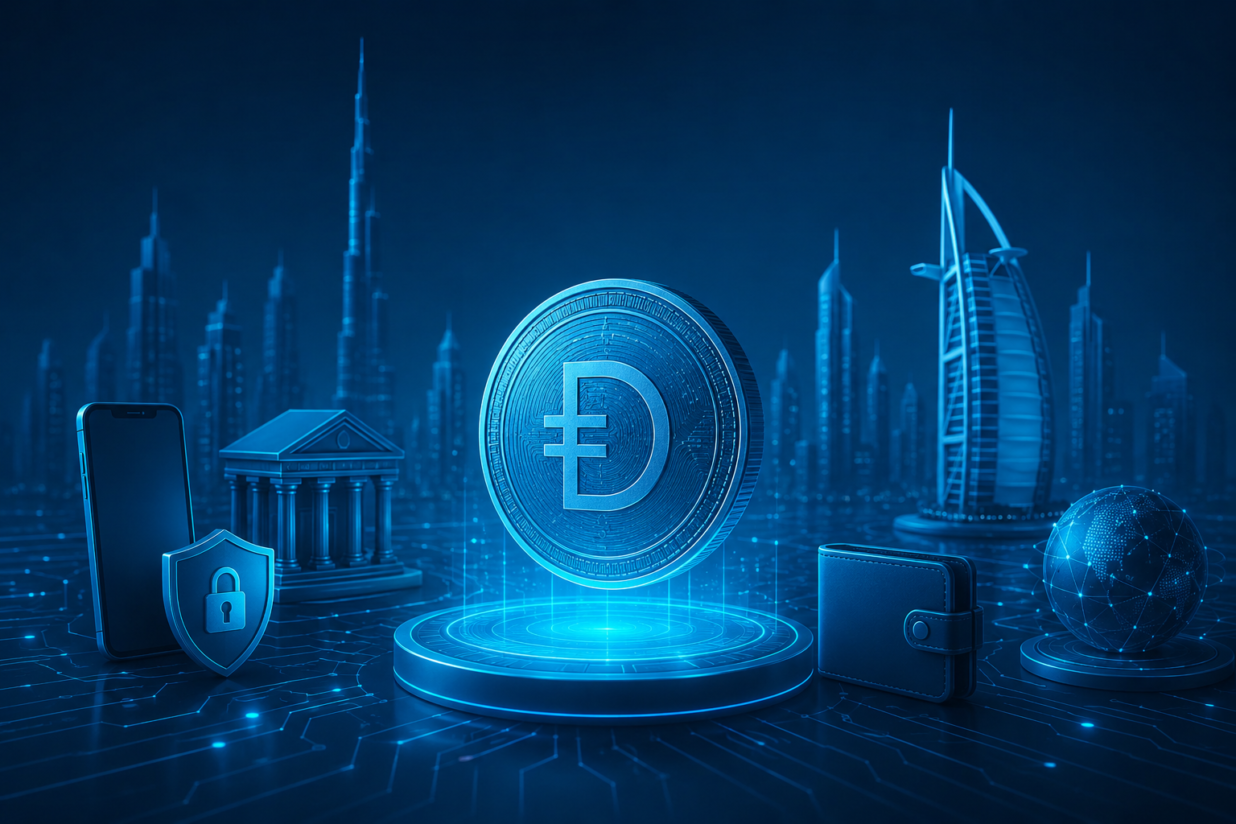
UAE Dirham : The UAE is preparing for one of the most important financial transformations in recent years, as it draws closer to a totally digital dirham. The new system, known as the Digital Dirham, is anticipated to change the way residents, businesses, and banks manage money in the Emirates.
The UAE Central Bank has already begun testing digital payment systems, which include government transactions that may be completed in minutes rather than days. Officials hope that the project will increase payment speed, lower transfer costs, and reinforce the UAE’s position as a worldwide financial technology hub. However, experts warn that the quick transformation would pose issues for traditional banks and raise worries about cybersecurity and financial privacy.
The Digital Dirham will serve as an official digital currency endorsed by the UAE government. Unlike cryptocurrencies like Bitcoin, the digital currency will have the same legal value as paper money and coins. The concept is part of the UAE’s overall aim toward a cashless economy and superior digital infrastructure.
UAE Dirham Digital Upgrade Could Change Everyday Banking
The forthcoming implementation may have an impact on millions of residents who currently use bank transfers, debit cards, and cash payments. With the Digital Dirham, consumers will be able to transmit money quickly using mobile wallets, bypassing banking hours and payment processing delays.
The UAE has already conducted its first government payment with digital money via the “mBridge” platform. According to sources, the transfer was completed in less than two minutes, demonstrating how swiftly the technology can settle transactions.
According to financial experts, the Digital Dirham may also help to reduce the cost of international transfers, particularly for expats. Cross-border payments are currently one of the highest costs for many Gulf workers. The UAE is also trying payment ties with nations such as China and India to boost global digital transactions.
Another significant development is the proliferation of local digital payment systems, such as Jaywan, the UAE’s domestic card network. The government thinks that these initiatives will minimize reliance on foreign payment providers and boost national financial security.
UAE Dirham Innovation Brings Opportunities but Also Concerns
While the digital revolution provides significant benefits, banking professionals worry the system may put pressure on commercial banks. If people transfer large sums of money to central bank-backed digital wallets, traditional banks may lose deposits necessary for lending and daily operations.
Cybersecurity is another growing issue. Digital currencies rely significantly on secure internet networks, thus protection against hackers and fraud is critical. Experts believe the UAE will require strict laws and advanced technical protections before expanding the system countrywide.
Despite these issues, the UAE continues to make strong moves toward digital financial leadership. Several institutions are already looking into dirham-backed stablecoins and blockchain payment systems as demand for speedier financial services rises.
The Digital Dirham project reflects the UAE’s long-term goal of modernizing its economy and competing with major global financial centers. For inhabitants, the future years may see a significant transformation in how paychecks, shopping payments, and international money transfers are handled throughout the country.
- Join our whatsapp channel for daily updates.
- Follow tazatimesnews Telegram Channel for latest news alerts.
- Follow TazaTimesNews on TruthSocial for exclusive updates
- Also reads : UAE President Receives Diplomatic Call From Qatar Emir