
Iran US Ceasefire Talks : Tensions between Iran and the United States have risen anew, with Tehran accusing Washington of acting in “bad faith” in response to additional US military attacks during ongoing ceasefire talks. While diplomatic talks continue behind closed doors, the fresh strikes have raised concerns that the delicate peace process may collapse, propelling the Middle East into another hazardous escalation.
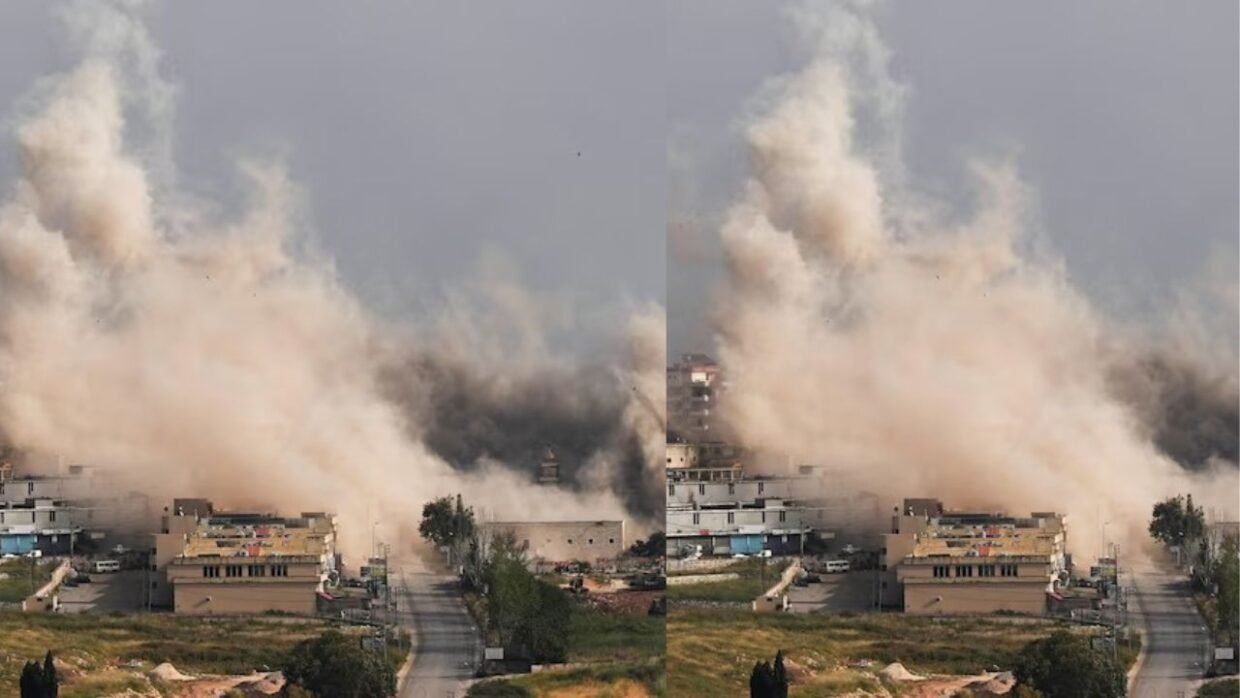
According to sources, the US conducted new military operations against missile launch sites and boats purportedly participating in mining activities near the Strait of Hormuz, one of the world’s most critical oil transportation lanes. American authorities portrayed the strikes as defensive measures to defend international marine traffic and regional security.
Iran vehemently condemned the attacks, claiming that they demonstrated Washington’s lack of seriousness about peace discussions. Iranian officials stated that continuing military actions while diplomatic talks are underway undermines confidence and reduces the likelihood of reaching a long-term accord.
The confrontation between the two countries has already generated significant upheaval throughout the Middle East in recent months. Fighting has disrupted oil shipping, boosted military action in the Gulf region, and sparked fear among world powers about broader regional conflict. Analysts fear that even minor military confrontations might disrupt international energy markets and trade lines.
Despite the recent violence, US Secretary of State Marco Rubio has allegedly stated that negotiations with Iran are still ongoing. Officials from both sides are said to be considering a possible temporary ceasefire arrangement that would entail resuming maritime passage across the Strait of Hormuz and lowering military tensions in the area.
Iran US Ceasefire Talks Face Fresh Challenges After New Strikes
Diplomatic negotiations between Iran and the US have been challenging since the issue began earlier this year. Several international mediators, including Qatar and Oman, have reportedly worked to maintain communication channels between the two governments.
According to political analysts, mistrust remains one of the most significant roadblocks to successful negotiations. Iran feels that Washington is attempting to apply military pressure on Tehran while also demanding political concessions. Meanwhile, US officials maintain that military action is required to avert attacks on regional allies and commercial ships.
The Strait of Hormuz remains a critical subject in the negotiations. The tiny channel transports over one-quarter of the world’s seaborne oil traffic, making it essential to global energy supplies. Any disruption there might raise global fuel prices and cause more economic turmoil.
International observers are also concerned about the conflict’s escalating humanitarian impact. Military actions have reportedly affected thousands of people in Iran and adjacent territories, raising fears of greater regional instability.
Iran US Ceasefire Negotiations Continue Amid Regional Uncertainty
Despite growing tensions, diplomatic efforts continue. According to reports, negotiators are still working on potential deals, which might involve prisoner exchanges, financial arrangements, and security guarantees related to regional stability.
Former US President Donald Trump has been involved in public debates about the negotiations. Trump recently claimed that progress was being made toward a cease-fire agreement, but he later appeared to be less hopeful about the prospects for a final accord.
Experts believe both countries are attempting to avoid a full-fledged war while safeguarding their strategic interests. However, frequent military crises raise questions about diplomacy’s long-term viability.
Global leaders are keeping a tight eye on the situation, since another significant escalation between Iran and the US may have serious ramifications for international security, oil markets, and political stability in the Middle East.
- Join our whatsapp channel for daily updates.
- Follow tazatimesnews Telegram Channel for latest news alerts.
- Follow TazaTimesNews on TruthSocial for exclusive updates
- Also reads : UAE President Receives Diplomatic Call From Qatar Emir