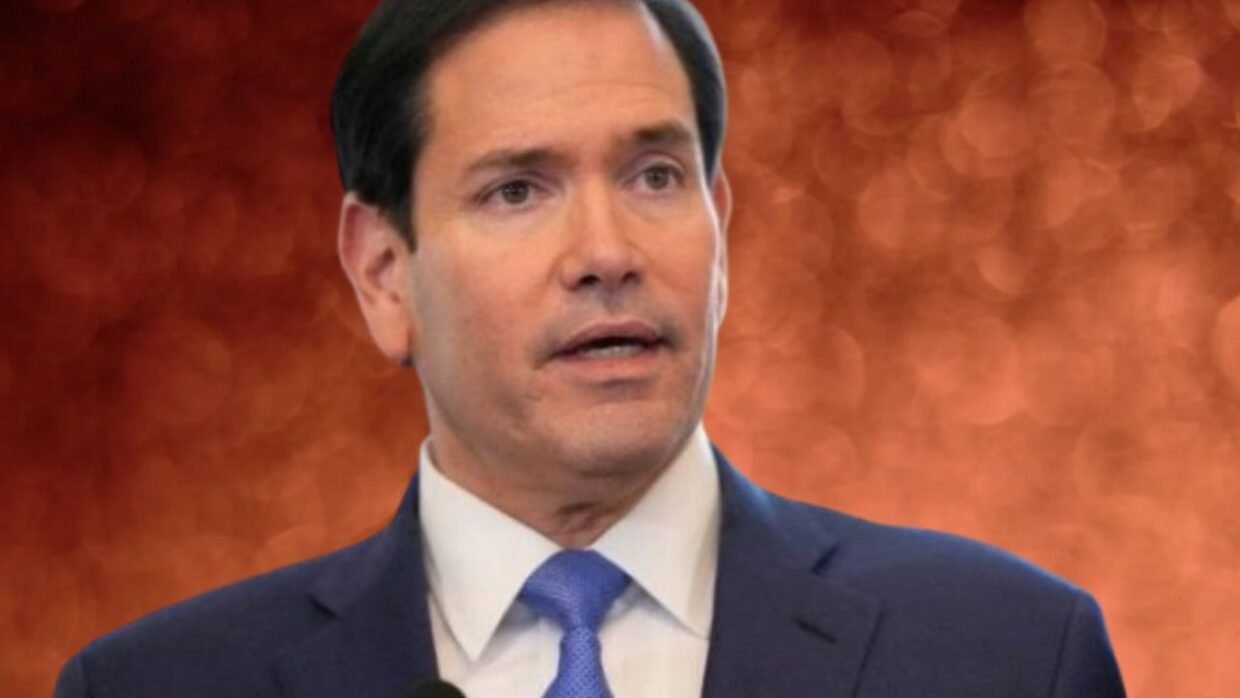
Iran Talks : The US has warned that if ongoing diplomatic discussions fail, it may take greater action against Iran, even as both countries work to avert a larger Middle East conflict. U.S. Secretary of State Marco Rubio stated that Washington still prefers diplomacy but is prepared to act differently if negotiations fail.
The remarks came amid heightened tensions over Iran’s nuclear program, regional security, and the future of the Strait of Hormuz, one of the world’s most crucial oil shipping routes. The discussions are viewed as important not only for the US and Iran, but also for global energy markets and Middle Eastern political stability.
“Iran Talks” Continue Despite Major Differences
According to Rubio, US President Donald Trump’s government continues to give diplomacy a chance. However, he emphasized that Washington seeks a “strong agreement” that precludes Iran from obtaining nuclear weapons capability.
Iran has frequently asserted that its nuclear programs are benign and intended for civilian use. However, Western governments remain concerned about the country’s uranium enrichment levels, which analysts say exceed conventional civilian standards.
Officials from both sides are said to have discussed potential compromises including as lifting sanctions, reopening shipping channels, and lowering tensions in the Gulf region. However, significant differences remain regarding Iran’s missile development, regional influence, and nuclear limitations.
The current conversations follow months of war and economic uncertainty caused by the blockade of the Strait of Hormuz. The waterway transports a significant portion of worldwide oil and gas supplies, thus any disruption has an immediate impact on international markets. Reports of potential progress in negotiations lately pulled oil prices lower as investors sought stability.
Global Impact of “Iran Talks” Raises Pressure on Leaders
The negotiations are gaining international interest because a failure deal may exacerbate military tensions in the Middle East and create new economic pressures worldwide. According to analysts, countries that rely on Gulf oil supplies are keeping a tight eye on events.
Rubio stated that the US is willing to continue diplomatic efforts for the time being, but that Washington has “other options” if Iran refuses to compromise. While he did not specify what such possibilities would entail, the comment underscores growing pressure inside the United States government for a stronger position.
Meanwhile, political divides are developing within the United States. Some Republican leaders feel any compromise with Iran would jeopardize American security interests, while others believe diplomacy is the only way to avoid another big confrontation in the region.
For the time being, negotiations appear to be focused on reaching a temporary agreement that will restore commercial lines and lessen military dangers. However, uncertainty persists, and officials on both sides realize that achieving a final agreement would be difficult.
With global markets reacting to every update, the outcome of the discussions might have long-term consequences for Middle Eastern politics and energy prices.
- you join our whatsapp channel
- you join our tazatimesnews Telegram Channel
- you join our tazatimesnews truthsocial.com Channel
- Also reads : A few weeks before turning 90, Best actor Dharmendra passes away in Mumbai: News Agency IANS