The global oil market is facing further uncertainty as the UAE’s energy powerhouse warned that complete oil movement through the Strait of Hormuz may not resume until the first half of 2027. The statement has raised concerns among governments, businesses, and consumers, who are already battling with rising fuel and transportation prices.
According to ADNOC Chief Executive Sultan Al Jaber, the current disruption in the Strait of Hormuz might last for many months, even if regional tensions lessen quickly. The Strait of Hormuz is one of the world’s most vital oil shipping routes, transporting almost 20% of global oil traffic. Recent violence and security difficulties in the Middle East have had a negative impact on tanker traffic and energy exports.
Global, Oil, Market Crisis Creates Fresh Pressure on Energy Prices
The warning from the UAE comes at a time when many countries are already dealing with inflation and rising transportation expenses. According to analysts, continued disruption in the Strait of Hormuz could keep crude oil prices volatile for an extended term.
Sultan Al Jaber stated that even if the dispute is resolved swiftly, rebuilding normal shipping and supply routes will take time. He also warned that permitting a single country to control such a vital global trade route might have disastrous ramifications for international markets and maritime freedom.
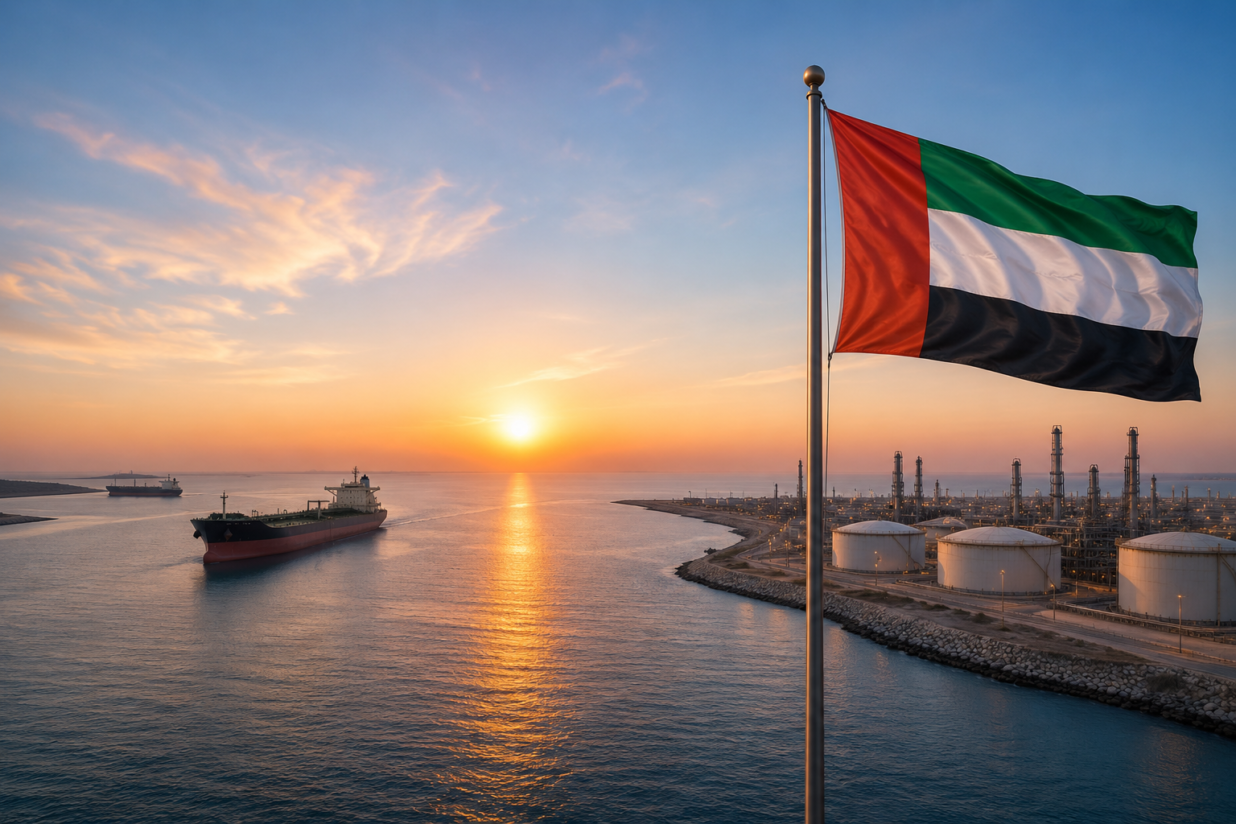
The UAE has continued to export some of its crude oil through pipes connected to Fujairah in the Gulf of Oman. However, the country is already accelerating work on a new pipeline project that will fully bypass the Strait of Hormuz. Officials say the project will be operational by 2027 and has the potential to increase the UAE’s export capacity outside of the problematic canal.
Experts believe this move is part of Gulf states’ bigger aim to lessen reliance on riskier maritime routes. As regional tensions remain high, Saudi Arabia and other oil producers are looking at alternative export systems.
UAE, Hormuz, Pipeline Plan Signals Major Energy Shift
The prolonged issue has already caused several oil tankers to travel greater distances around Africa and other places. Shipping prices have skyrocketed, while energy-importing countries in Asia and Europe are experiencing supply issues.
The UAE government recently announced intentions to expand oil production capacity and invest in energy infrastructure. According to reports, the government seeks to strengthen its position as a dependable global supplier despite regional insecurity.
According to market experts, prolonged disruption in the Strait of Hormuz could have an influence on not just oil prices but also food transit, airline operations, fertilizer supplies, and manufacturing industries around the world. Several countries have already begun emergency economic planning to address potential long-term shortages.
Global investors and governments are currently keeping a close eye on Middle Eastern developments. Any improvement in regional security may help stabilize markets, but energy officials believe a full recovery will take years.