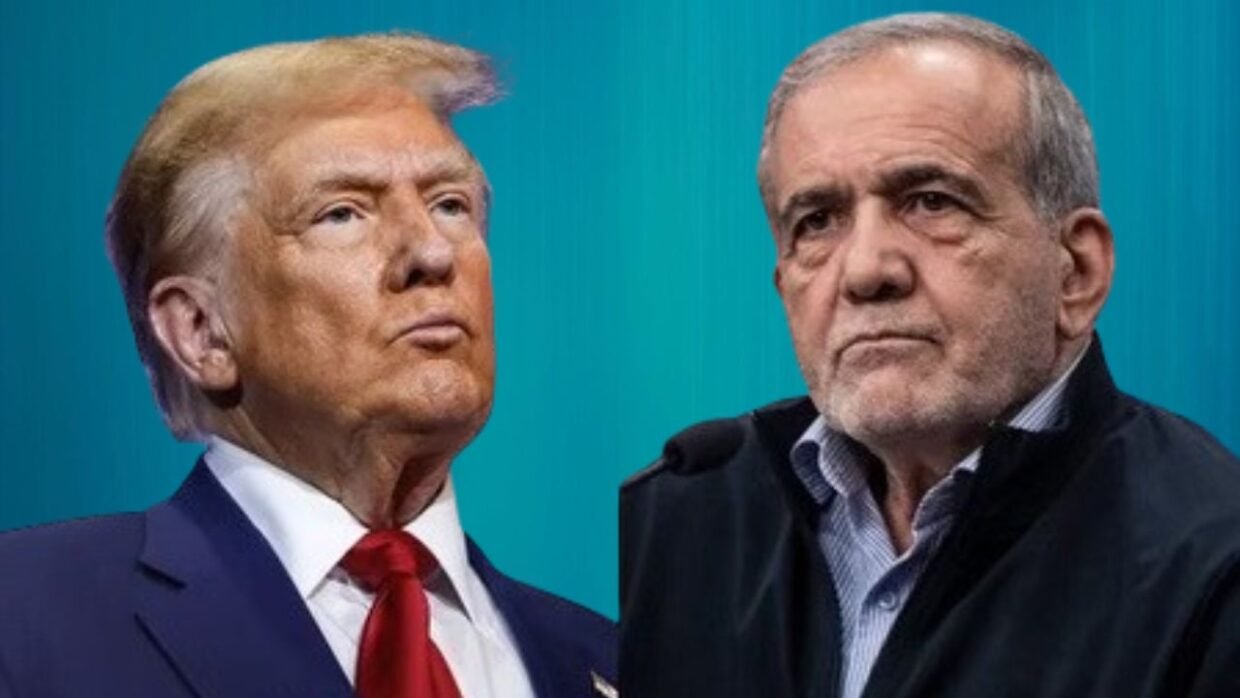
Trump Rejects Iran Proposal : US President Donald Trump has angrily rejected Iran’s latest proposal to reduce Middle East tensions, calling Tehran’s response “totally unacceptable” and accused Iranian negotiators of “playing games” during critical diplomatic negotiations. The forceful words have sparked new fears of unrest in the Gulf area, as global leaders work to prevent a larger confrontation.
The issue arose during ongoing negotiations over Iran’s nuclear programs, regional security, and maritime trade routes near the Strait of Hormuz. According to reports, Tehran issued a counter-proposal through diplomatic channels following the receipt of a peace and ceasefire framework approved by Washington. However, Trump promptly dismissed the statement, claiming Iran had failed to meet crucial American criteria.
According to regional sources, the US plan contained tight uranium enrichment limits, missile program restrictions, and larger Middle East security guarantees. Iran’s statement instead emphasized sanctions relief, control over shipping channels, and assurances against future military action.
According to diplomatic watchers, the discussion illustrates the significant gap that still persists between Washington and Tehran despite weeks of indirect communication. The issue has also raised concerns in Gulf countries about how escalating tensions may affect oil exports, shipping traffic, and regional security relationships.
Middle East Crisis Deepens as Trump Blames Tehran Negotiators
Trump criticized Iran in a public social media post, claiming Tehran had spent years delaying negotiations and avoiding concrete pledges. He also stated that the US will reject plans that do not address security concerns related to Iran’s nuclear and military programs.
The current issue comes at a critical time for the region. Several Gulf countries have recently faced security concerns from drones, missiles, and naval confrontations. The situation is being constantly monitored by international maritime companies and energy markets, since the Strait of Hormuz remains one of the world’s most significant oil routes.
Political observers fear that the breakdown in discussions will hinder diplomatic progress and raise military pressure in the region. Some experts fear that continuing disagreement may lead both parties to take greater political and economic measures rather than compromising.
At the same time, international forces, especially European countries and Asian allies, are attempting to avert another major escalation in the Middle East. According to reports, multiple emergency diplomatic talks are scheduled to discuss maritime security and regional stability.
Iranian officials have justified their position by claiming that their proposal was intended to maintain national sovereignty and provide economic relief to the country. However, Washington maintains that any future agreement must include stronger long-term requirements.
The most recent interaction between the United States and Iran demonstrates that diplomatic confidence remains low despite continued talks. With tensions still high, the world’s attention is now focused on whether negotiations can continue quietly or if the Middle East would face another dangerous conflict.
- Join our whatsapp channel for daily updates.
- Follow tazatimesnews Telegram Channel for latest news alerts.
- Follow TazaTimesNews on TruthSocial for exclusive updates
- Also reads : UAE Motorcycle Crackdown: Ras Al Khaimah Police Confiscate 170 Bikes in Major Safety Drive