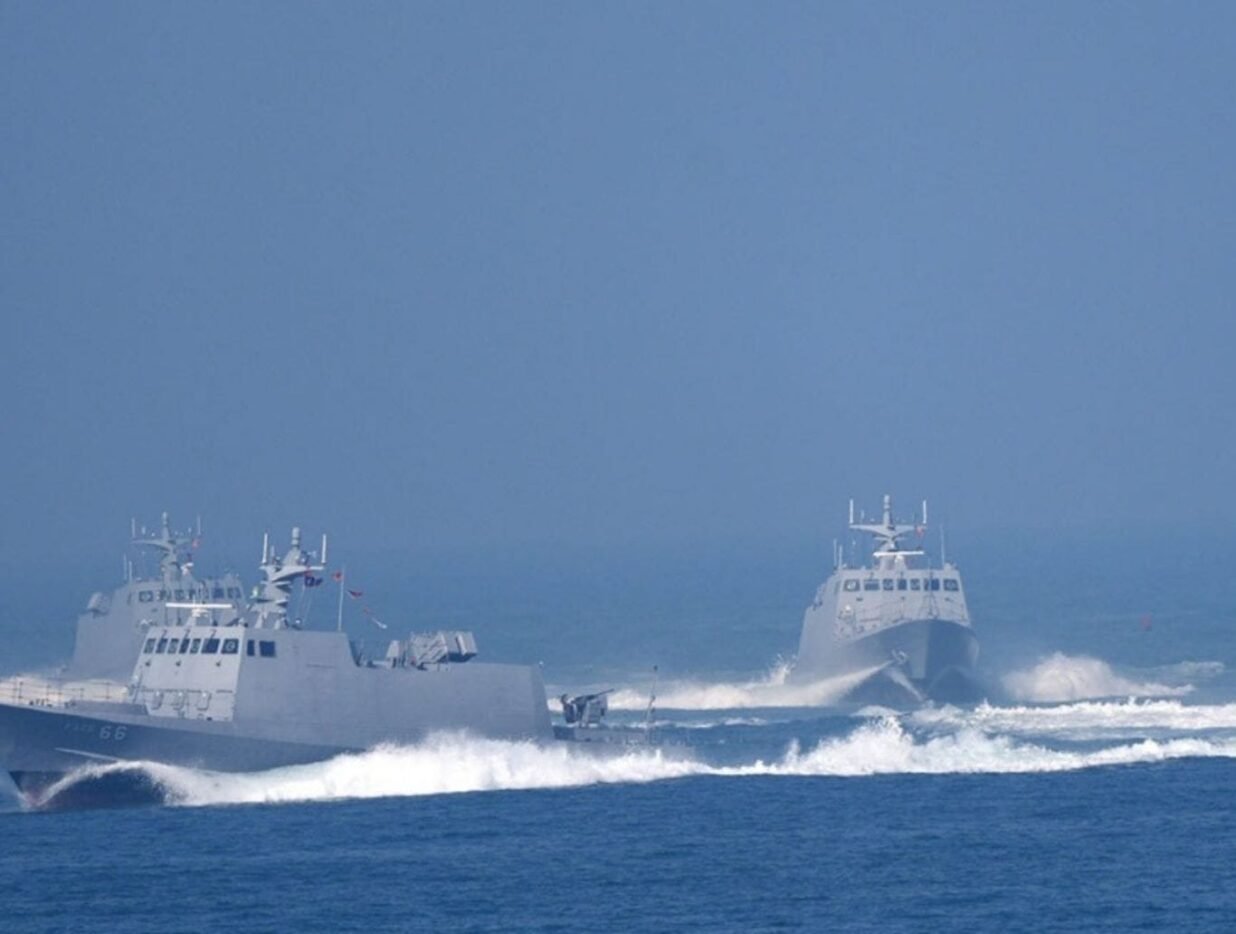
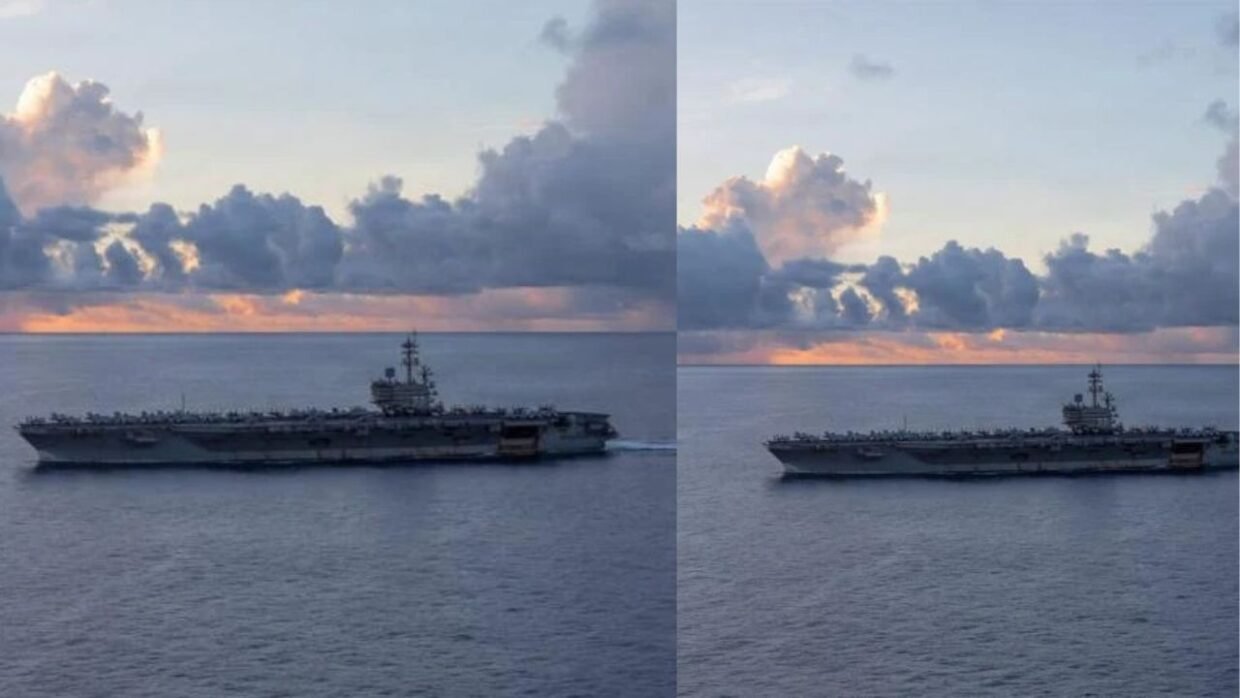
Tensions in the Middle East rose rapidly after Iran claimed that its forces had launched missile attacks on American Navy warships near the Strait of Hormuz. The most recent clash occurred after the US allegedly bombed an Iranian oil vessel during military operations in the Gulf region. Both governments have offered conflicting versions of the incident, increasing concerns about another major escalation in an already sensitive area.
According to Iranian state television, Iranian military fired missiles at several US Navy vessels after an American fighter jet assaulted an Iranian tanker headed toward Iranian waters. Tehran claimed the strike caused American ships to leave the region. Iranian military-linked agencies also claimed that the attack was carried out in reaction to a violation of the two sides’ ongoing ceasefire agreement.
However, the US military has categorically denied that any American Navy vessel was destroyed. According to US Central Command, Iranian forces launched missiles, drones, and small attack boats at three US destroyers operating near the Strait of Hormuz, but all threats were intercepted before they could cause any harm. American officials labeled the Iranian action as “unprovoked” and stated that US forces later conducted retaliatory attacks against Iranian military locations linked to the attack.
Iran US Conflict Keyword Raises Fresh Fear Around Strait Of Hormuz
The Strait of Hormuz remains one of the world’s busiest oil transport routes. Any military war in the region might have a direct impact on global oil prices, shipping movements, and international trade. Experts fear that the new dispute between Tehran and Washington may deepen uncertainties in global energy markets.
According to reports, the American operation against the Iranian tanker occurred after the vessel purportedly attempted to breach the US naval blockade of Iranian ports. US officials alleged that the tanker ignored warnings before military action was taken. Iran, on the other side, accused Washington of attacking civilian maritime assets and escalating regional tensions.
The latest developments come amid already tight relations between Iran, the United States, and regional allies. Military activity in the Gulf has intensified in recent months, with many missile alarms, naval operations, and drone accidents reported near commercial shipping routes. Several countries have encouraged cargo operators and oil corporations to exercise caution while traveling through Gulf waterways.
Strait Of Hormuz Keyword Becomes Global Focus After Naval Clash
According to security analysts, the risk of a larger regional confrontation cannot be overlooked if both sides continue to engage in armed combat. Although American officials have said that they do not seek a broader war, more retaliation strikes may put pressure on diplomatic efforts to reduce tensions in the region.
International observers are closely monitoring the situation since any disruption in the Strait of Hormuz may have a global impact on gasoline supply systems. Analysts also worry that continued military action may raise insurance prices for commercial vessels and put strain on the global maritime industry.
At the moment, both Iran and the US continue to justify their conduct while blaming each other of inciting violence. The situation remains highly sensitive, and world powers are anticipated to closely observe future developments in the following days.
- Join our whatsapp channel for daily updates.
- Follow tazatimesnews Telegram Channel for latest news alerts.
- Follow TazaTimesNews on TruthSocial for exclusive updates
- Also reads : Trump Iran Conflict : Trump Says Iran Conflict Nearing End, Claims Tehran Eager for Deal