
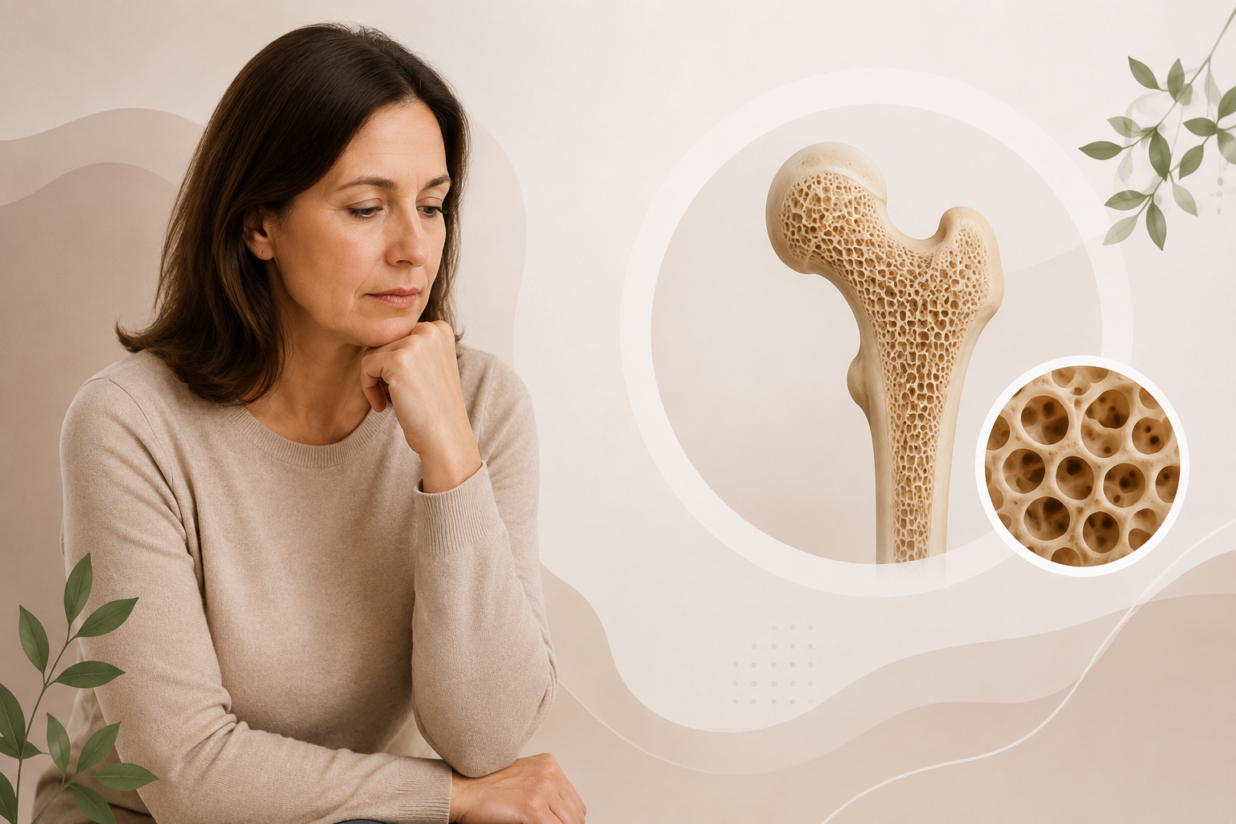
Bone Density After 35 : Women over the age of 35 are becoming increasingly concerned about their bone density, as specialists warn that it begins to diminish slowly, often without apparent signs. According to health reports, this quiet alteration can eventually lead to osteoporosis, a dangerous disorder that weakens bones and increases the chance of fractures.
According to doctors, many women are unaware of this early decrease because their bodies do not exhibit apparent warning symptoms at first. By the time symptoms show, bone strength may have already decreased dramatically, making prevention and early detection crucial.
Bone Density After 35 Women Osteoporosis Signs Warning
According to medical experts, women reach their peak bone strength in their late twenties or early 30s. After the age of 35, the body gradually begins to lose more bone than it can replace. This normal process is controlled by hormonal changes, particularly a progressive reduction in estrogen levels.
Early indications of bone thinning can be inconspicuous. Some women may experience recurrent back pain, poor posture, or a little loss of height over time. Brittle nails or mouth problems may also indicate deteriorating bone health. However, osteoporosis is sometimes referred to as a “silent disease” because many people become aware of it only after a fracture occurs.
Lifestyle considerations also play an important impact. Poor nutrition, a lack of calcium and vitamin D, inactivity, and extreme dieting can all contribute to bone loss. Studies in places such as India imply that women may have bone density difficulties early due to nutritional deficiencies and lifestyle trends.
Doctors advise paying attention to these early warning signals and not disregarding minor bodily changes, since they can indicate more serious health issues.
Bone Density After 35 Women Osteoporosis Signs Prevention Tips
Health professionals emphasize that, while bone loss after 35 is natural, it can be slowed or treated with simple lifestyle modifications. Regular physical activity, especially weight-bearing exercises like walking, jogging, or strength training, helps maintain bone strength.
Nutrition is equally crucial. A balanced diet high in calcium, protein, and vitamin D promotes bone health. Sunlight exposure is also important for maintaining vitamin D levels, which allow the body to absorb calcium more effectively.
Routine health screenings are another vital step. Doctors recommend that women, particularly those with risk factors such as family history or early menopause, undergo bone density testing such as DEXA scans. These tests can detect bone loss early and help to avoid consequences.
Experts also advise against smoking and heavy alcohol intake, as both can weaken bones over time. Maintaining a healthy body weight is also crucial because being underweight increases the risk of fractures.
The general message from health professionals is clear: knowledge and early intervention can make a significant difference. While bone loss may occur gradually beyond the age of 35, prompt lifestyle modifications and medical advice can help women keep strong and healthy bones well into old age.
- Join our whatsapp channel for daily updates.
- Follow tazatimesnews Telegram Channel for latest news alerts.
- Follow TazaTimesNews on TruthSocial for exclusive updates
- Also reads : Hero Xtreme 160R 4V Combat Edition Uncovers What’s Inside