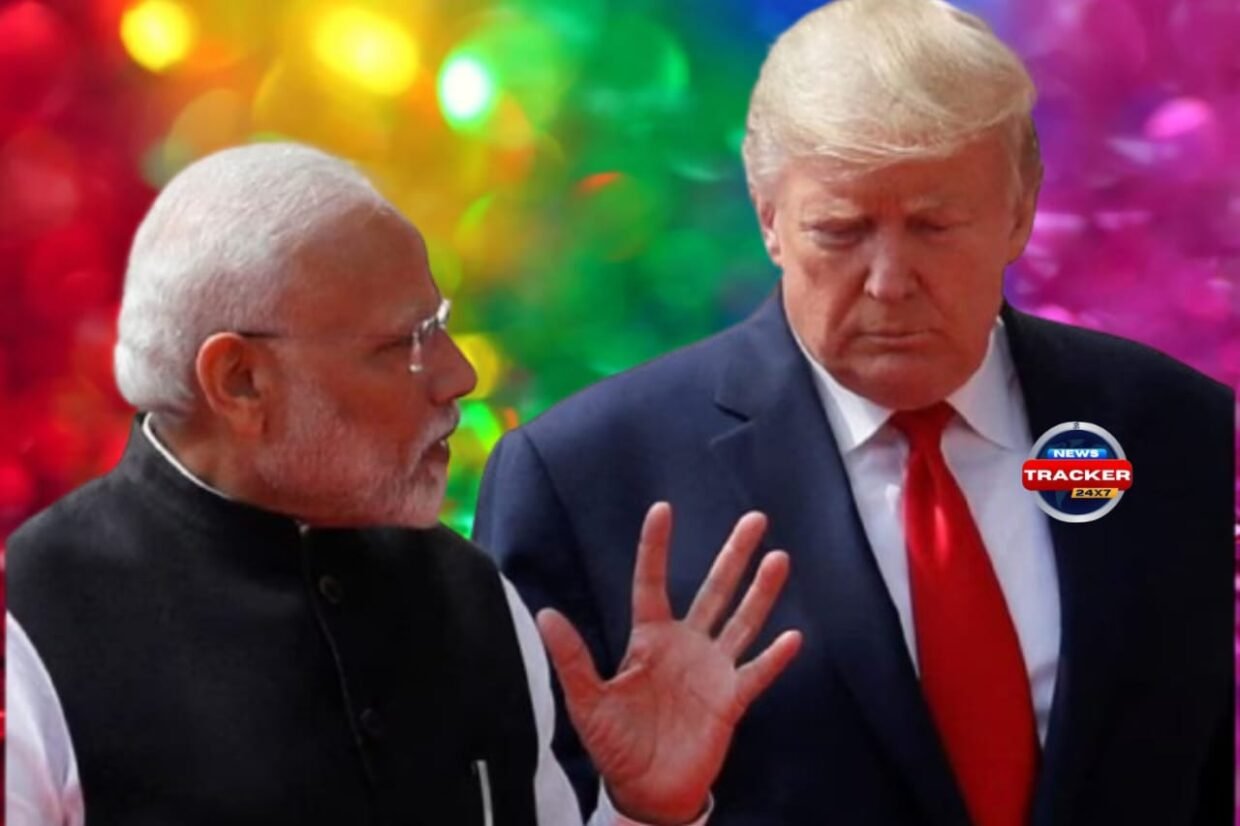

Trump Iran Deal Strategy: When Donald Trump says Iran is “dying to make a deal,” he is revealing a planned approach involving economic pressure, military positioning, and political propaganda.
Many of these assertions, however, have not been independently verified, underscoring the disparity between political propaganda and ground reality.
This is not a standard war story. It is a modern power struggle in which both parties avoid full-scale combat while pushing limits in a controlled yet dangerous atmosphere.
Why This Moment Matters Globally
For readers in the United States and India, this tension is more than just geopolitics; it has real-world implications.
The events in Washington and Tehran have a direct impact on:
- Fuel prices, especially in India where oil imports are critical
- Stock market sentiment in the US and global investment flows
- Stability in the Middle East, home to millions of Indian expatriates
The Strait of Hormuz, a narrow but critical conduit through which a substantial portion of the world’s oil supply flows, is at the heart of this geopolitical conflict. Any interruption here might send shockwaves through global economies in days.
Trump Iran Deal Strategy – Pressure Without War
Trump’s choice of words was purposeful. By eschewing the phrase “war” in favor of “military operation,” he indicates planned escalation rather than open conflict.
This strategy is based on three essential pillars:
Economic Pressure
Sanctions and blockades are intended to damage Iran’s financial infrastructure. Reduced oil revenue causes internal hardship, putting pressure on leadership.
Strategic Messaging
Claims regarding declining military capabilities, whether fully proven or not, serve a larger purpose: to shape perceptions both internally and internationally.
Negotiation Leverage
By claiming that Iran wants a deal, the US establishes itself as the stronger negotiator before formal discussions begin.
For policy experts, this is a textbook case of coercive diplomacy—using force without engaging in full conflict.
Iran’s Response: Control and Counter-Pressure
However, Iran is not a passive player. Leaders like Mohammad Bagher Ghalibaf have focused limiting US influence and establishing regional control.
Their strategy encompasses:
- Strengthening presence in the Persian Gulf
- Signaling potential control over critical shipping lanes
- Framing resistance as protection against foreign interference
This creates a fragile balance—both sides applying pressure, neither willing to step back first.
The Nuclear Question: The Real Red Line
At the heart of US-Iran relations is a long-standing issue: nuclear capacity.
Preventing Iran from gaining nuclear weapons is a non-negotiable issue for Washington. Tehran places equal importance on retaining technological and strategic independence.
This underlying disagreement assures that even modest occurrences can rapidly grow into significant geopolitical events.
What Comes Next: Possible Scenarios
The path forward is still uncertain, but numerous scenarios are possible.
Negotiated De-escalation
Despite heated language, history shows that prolonged pressure frequently brings back to the bargaining table.
Economic ripple effects:
Any escalation near the Strait of Hormuz might drive up oil prices, disproportionately affecting countries like India.
Rising regional tensions.
The Middle East’s instability could have an impact on commercial routes, travel safety, and expatriate communities.
Domestic political impact in the United States.
Firm foreign policy positioning frequently influences public perception, especially during politically difficult times.
A Bigger Perspective
This is a problem that involves more than just Iran and the US. It highlights how modern battles are increasingly being conducted through sanctions, narratives, and strategic posture, rather than actual war.
For readers in the United States and India, the takeaway is plain.
- Global tensions directly influence everyday life
- Economic tools are now as powerful as military ones
- The line between negotiation and confrontation is becoming increasingly blurred
In this growing standoff, the actual war isn’t just about weaponry or territory; it’s about leverage, perception, and, finally, who gets to make the first move.
- Join our whatsapp channel for daily updates.
- Follow tazatimesnews Telegram Channel for latest news alerts.
- Follow TazaTimesNews on TruthSocial for exclusive updates
- Also reads : Bhojpuri Actress Akanksha Awasthi, Husband Booked for ₹11.5 Crore Fraud