
Artemis II Crew Circles Moon : NASA’s Artemis II project sparked global enthusiasm after astronauts performed a historic flyby of the Moon. During the flight, the crew noticed strange and rarely seen lunar characteristics, which piqued both scientific interest and mystery.
This mission is the first time humans have journeyed so far into deep space in almost 50 years, providing a new and closer view at the Moon’s far side.
Artemis II moon flyby reveals rare lunar features and new mystery
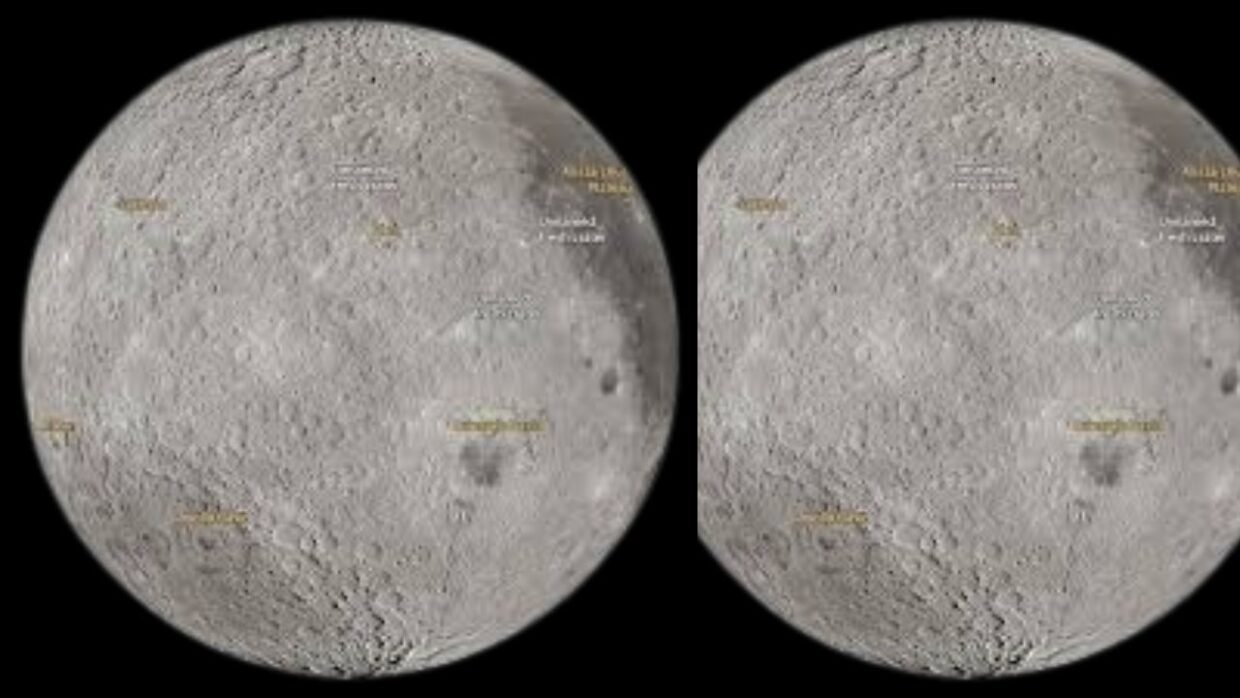
The Artemis II crew flew around the Moon, studying areas that humans had never seen firsthand before. These include deep craters, highlands, and enormous basins on the Moon’s far side.
Astronauts reported the surface as more detailed and vivid than anticipated. Some bright craters appeared to be “light shining through holes,” demonstrating the differences between human and camera observation.
The mission also captured a rare view of the Moon’s far side in sunlight, which previous Apollo missions could not fully capture.
Scientists are particularly interested in unusual patterns such as lunar swirls and unknown impact sites. These characteristics may assist explain the Moon’s history and origin.
Positive Side: Big step for space science and future missions
This project was a huge triumph for NASA. It smashed records by transporting astronauts farther away from Earth than ever before, covering almost 252,000 miles.
The findings will help scientists plan future Moon landings and perhaps Mars missions. Experts argue that researching the far side provides new information about geology, minerals, and space conditions.
It also demonstrates that people can safely go deep into space after decades.
Negative Side: Mystery features raise new questions
Despite their success, the findings have resulted in confusion. Many of the observed characteristics are still not completely understood.
The far side of the Moon is markedly different from the near side, with thicker crust and more craters. Scientists acknowledge that some formations and patterns remain unexplained.
This means that further research and missions will be required, raising costs and time.
Also reads : Trump Delays Hormuz Action as War Fear Hits Wall Street Hard
What’s next for Artemis mission?
After completing the flyby, the spacecraft is now returning to Earth using the Moon’s gravity. Future missions under the Artemis program seek to return humans to the Moon before the end of the decade.
These forthcoming missions may look into these mysterious elements in further detail.
Conclusion:
The Artemis II mission is both groundbreaking and mysterious. While it marks a new era in space research, it also demonstrates how much we still don’t know about our nearest neighbor in space.
- Join our whatsapp channel for daily updates.
- Follow tazatimesnews Telegram Channel for latest news alerts.
- Follow TazaTimesNews on TruthSocial for exclusive updates