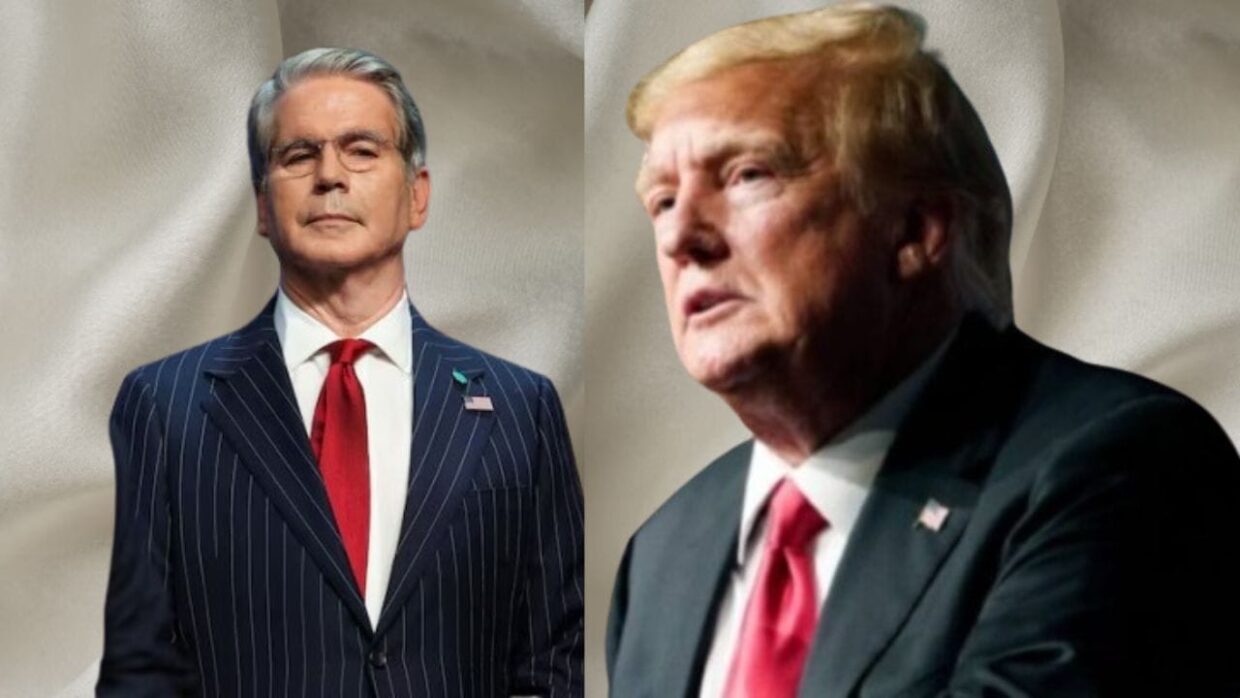
Trump Administration Lawsuit : Twenty-one states, including the District of Columbia, have sued the Trump administration over changes to corporate ownership reporting standards. The court action aims to invalidate a provision that exempts US businesses and people from submitting beneficial ownership information to the Treasury Department’s financial crimes branch.
The argument revolves around the Corporate Transparency Act of 2021, which is intended to prevent illegal funding. In August, the administration issued a regulation that eliminated reporting obligations for US firms and people, leading states to file a federal court challenge.
The case was brought in the United States District Court for the District of Oregon. The alliance, which is primarily composed of Democratic-led states, claims that the administration cannot utilise a regulatory regulation to essentially repeal a legislation approved by Congress.
Trump Administration Lawsuit Challenges Ownership Reporting Changes
The states contend that the altered policy has significantly limited the scope of the Corporate Transparency Act. According to the complaint, the regulation exempts over 99.9% of the firms that were previously compelled to disclose information about their owners.
The defendants in the legal action are Treasury Secretary Scott Bessent, the US Department of the Treasury, and the Financial Crimes Enforcement Network (FinCEN). The leaders of the US Departments of Justice and Homeland Security are also named in the complaint.
The coalition has requested the court to reverse the ruling. Its core argument is that the executive branch cannot repeal legislation by regulatory.
One of the people interested in the lawsuit is New York Attorney General Letitia James, who stated that the updated regulation permits the true owners of domestic and overseas shell firms to stay unknown. She claimed that the administration’s order essentially reversed the restrictions imposed by Congress.
The lawsuit puts the reporting modifications at the center of a debate about the government’s jurisdiction to change the application of an existing statute. The court has been urged to assess whether the administration’s exemptions should stay in effect.
Trump Administration Defends Move to Ease Business Rules
The government has previously justified the measures as a means of reducing the reporting burden on businesses. When the regulation was released in August, Bessent described it as abolishing a restriction that affected millions of law-abiding company owners while not jeopardising national security.
The Treasury Department has not replied to a request for comment on the complaint at the time of publication.
Democratic legislators have also expressed worry about the reporting restrictions. Massachusetts Senator Elizabeth Warren, the senior Democrat on the Senate Banking, Housing, and Urban Affairs Committee, cautioned in August that reducing regulations might increase the danger of sanctions evasion, fraud, and drug trafficking.
Warren also identified sex trafficking and organised criminal activity as potential concerns connected with weakening the reporting mechanism.
The Corporate Transparency Act was enacted in 2021 to combat illicit funding by requiring the disclosure of firm ownership information. The current judicial challenge aims to re-establish the broader reporting system by reversing the administration’s decision.
The case now brings the administration’s exemptions before a federal court. The decision will determine whether the challenged regulation stays in effect or has to be reviewed under current law.
- Join our whatsapp channel for daily updates.
- Follow tazatimesnews Telegram Channel for latest news alerts.
- Follow TazaTimesNews on TruthSocial for exclusive updates
- Also read : Brazil Election Results: Lula Wins as Bolsonaro Rejects Defeat