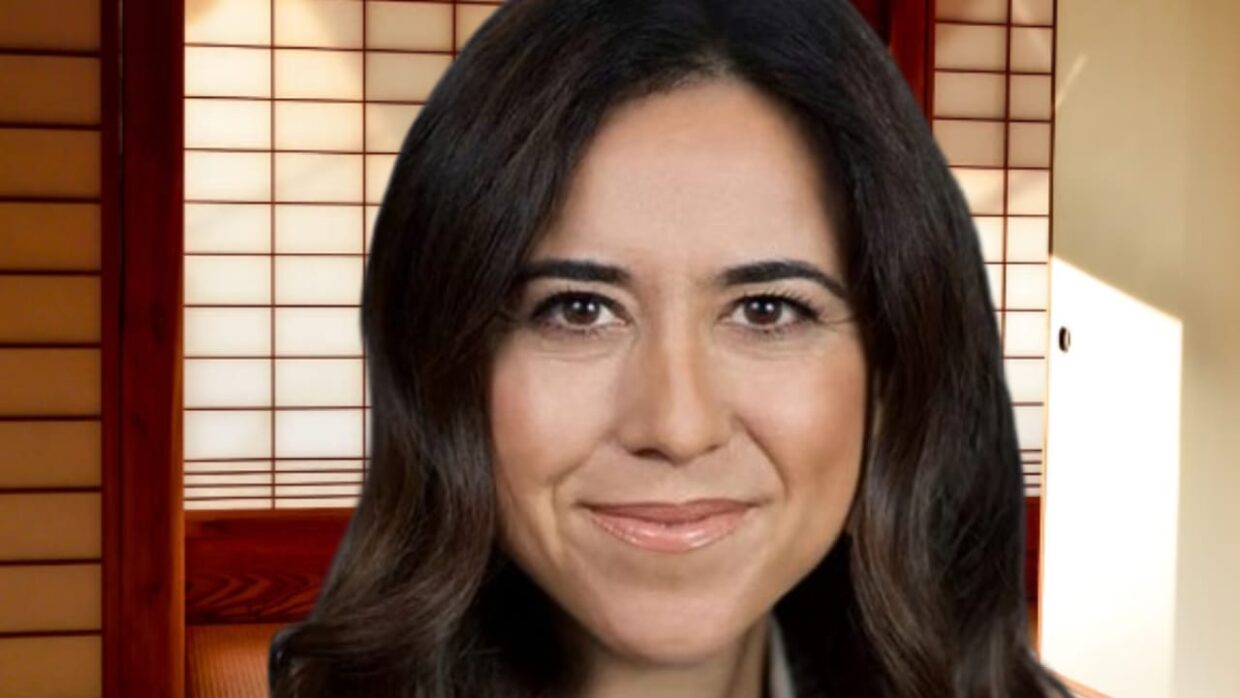
Lana Nusseibeh, the UAE’s Minister of State and Envoy to the United Nations and the European Union, has launched her candidature for the next Secretary-General of the UN. The UAE has formally nominated her for the job that will become vacant after António Guterres’ second term ends on December 31, 2026.
Nusseibeh’s campaign prioritises diplomacy, conflict resolution, and organisational transformation. Her proposed strategy advocates for earlier action to prevent disagreements from worsening, practical agreements between opposing parties, and more accountability within the United Nations.
She has taken a leave of absence from her work with the UAE government to focus on her candidature. In proposing her candidature, she stated that she wished to serve freely while openly communicating with governments throughout the world.
The announcement comes after the latest UN Security Council straw poll, which was held on October 16 as part of the process to select Guterres’ successor.
Lana Nusseibeh Sets Out Plans for Peace and Diplomacy
Conflict prevention and long-term diplomatic engagement are central to Nusseibeh’s agenda for the UN. She believes that the organization should assist in maintaining open communication between opposing parties and pursuing feasible accords that can decrease suffering.
Her recommendations include ensuring humanitarian access, arranging prisoner exchanges, and promoting local cease-fires. She also emphasises the importance of verifying agreement compliance rather than relying solely on commitments.
She believes that peace initiatives should include individuals and institutions with firsthand knowledge of a dispute, such as regional bodies and mediators trusted by the parties. Instead of attempting to lead every negotiation, she proposed that the United Nations collaborate with those best positioned to make results.
Nusseibeh also wants the organization to resolve international divisions through diplomacy that yields tangible results. These could include less violence, increased humanitarian access, or conditions that allow for the formation of broader political agreements.
Her initiative goes beyond security. She believes that the UN requires clearer goals, less duplication, and greater leadership to deliver on its three primary areas of work: peace and security, development, and human rights.
Lana Nusseibeh Calls for UN Reform and Results
Making the UN more focused and accountable is an important aspect of Nusseibeh’s strategy. She advocates requiring large Secretariat programs to declare their successes against their costs, while diverting staff and resources to areas where they can have the greatest impact.
Her plan also calls for clearer roles for officials, more autonomy for field personnel, and senior appointments based on performance. She believes that the organization should focus on the work for which it is most suited.
Nusseibeh believes that UN cooperation should reflect the goals of different countries. Her recommendations include increasing job possibilities, assisting conflict-affected nations, pursuing equitable debt solutions, and forming collaborations with private enterprises and charity organisations.
She also emphasises the uneven progress toward the 2030 Agenda for Sustainable Development and its Sustainable Development Goals. As countries prepare to establish the framework that will support those goals, she wants the Secretary-General to assist in securing pledges that governments can realistically fulfil.
Her agenda also includes issues of human rights and emerging technologies. Nusseibeh advocates for a consistent implementation of international law and universal human rights principles. She also suggests international cooperation in artificial intelligence and biotechnology, including voluntary incident reporting and increased participation from countries affected by these technologies.
Her program also advocates for more robust climate change preparation, particularly in vulnerable areas.
Nusseibeh has substantial United Nations experience to the battle. She served as the UAE’s Permanent Representative to the United Nations from 2013 until 2024, including twice as president of the Security Council during the country’s 2022-2023 term. Her prior duties included Vice-President of the General Assembly and President of the UN Women’s Executive Board.
Her candidature currently focuses on how she can use her experience to boost diplomacy, improve the organization’s performance, and make its work on peace, development, and human rights more successful.
- Join our whatsapp channel for daily updates.
- Follow tazatimesnews Telegram Channel for latest news alerts.
- Follow TazaTimesNews on TruthSocial for exclusive updates
- Also read : Panama Earthquake: 200 Aftershocks Follow Powerful 7.7 Quake