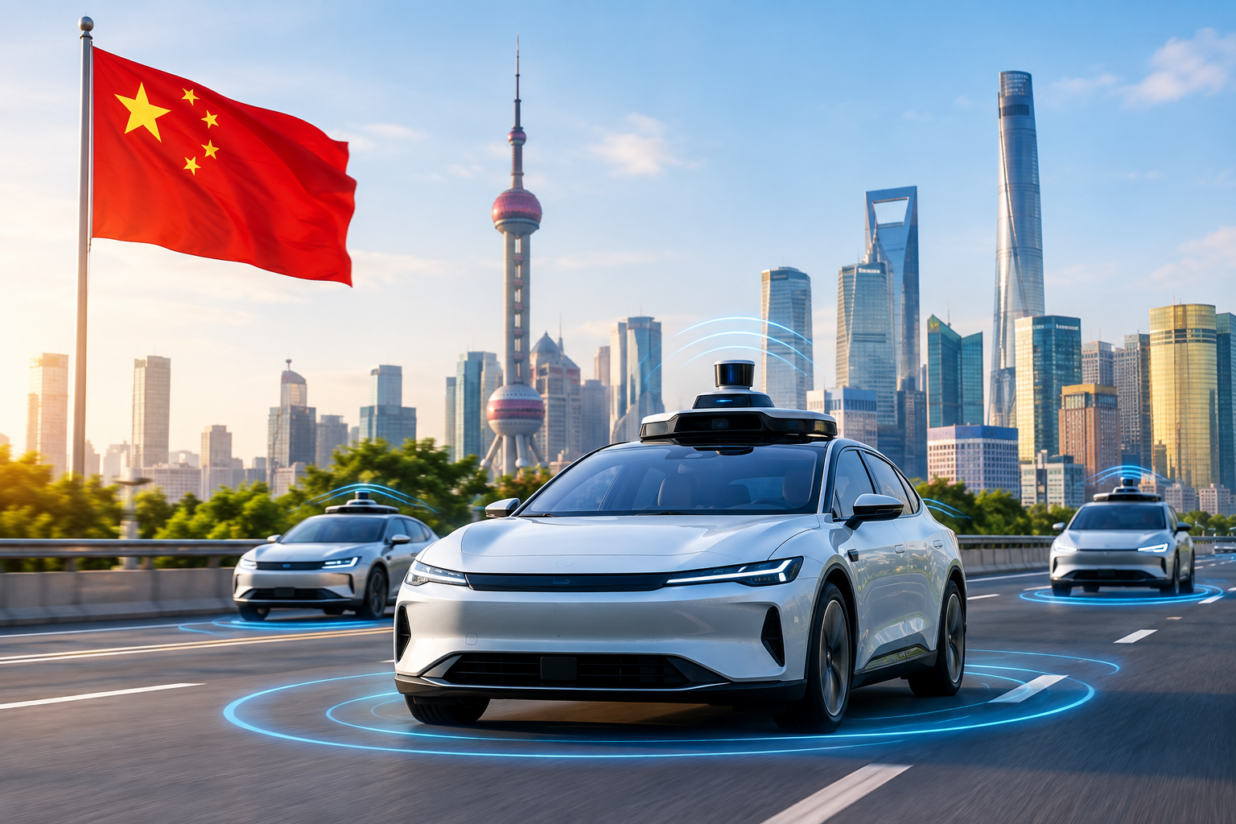
China is preparing for the large-scale use of China self-driving vehicles by 2030 as part of a wider plan to strengthen its smart electric vehicle industry. The country’s industry ministry has set out a roadmap that also aims to improve the global position of Chinese carmakers.
According to the proposal, vehicles with self-driving features would become more popular on roadways in the next years. The system will be implemented on highways, metropolitan expressways, and select city roadways.
China Self-Driving Vehicles to Expand on Public Roads
The government wants self-driving technology to be more widely used while also increasing safety regulations. According to the industry ministry, driverless vehicles will eventually outperform human-driven vehicles in terms of safety.
China also intends to strengthen its main automaker alliance. Its goal is to develop numerous automakers capable of ranking among the top ten in the world in terms of sales.
The plan extends beyond car technology. China also wants Chinese automobile companies to achieve popularity in international markets and play a larger role in the development of global automotive standards.
New Rules for China Self-Driving Vehicles
The government intends to strengthen oversight of vehicle manufacturing, road safety, self-driving technologies, and software updates. It will also consider unique approval procedures for critical components and cars produced in limited numbers.
Another priority will be to reduce surplus manufacturing capacity in the automotive and battery industries. Authorities intend to reduce overinvestment, encourage enterprises to merge when necessary, and eliminate unproductive manufacturing capacity.
China also intends to take firmer action against unfair trade practices. Antitrust enforcement and product quality checks will be strengthened, and local governments will be prohibited from providing unsuitable incentives that could distort competition.
Focus on Global Expansion
The government intends to issue guidance to help Chinese automakers comply with local and international regulations as they expand into abroad markets.
The industry ministry also encourages Chinese enterprises to collaborate more closely with overseas firms. Cooperation could include vehicle and component research, as well as investment and global market expansion.
The strategy demonstrates that China intends to expand its automotive industry beyond domestic markets. Along with developing autonomous driving, the country wants its automakers to become more competitive on a global scale and play a greater role in shaping automobile standards.
The 2030 aim provides a clear direction for China’s smart vehicle industry, as manufacturers continue to develop electric and self-driving technologies.
- Join our whatsapp channel for daily updates.
- Follow tazatimesnews Telegram Channel for latest news alerts.
- Follow TazaTimesNews on TruthSocial for exclusive updates
- Also reads : Goldman Sachs Says Japan Leads Asia’s Buyout Opportunities as Private Equity Activity Grows