
Low Blood Pressure : Do you know the dangers of hypotension? As we enter 2026, it’s key to grasp low blood pressure and its health effects.
Hypotension, or low blood pressure, can cause dizziness, fainting, and poor blood flow to important organs. It’s vital to manage low blood pressure well to avoid these issues.
This article will show you the newest research and ways to handle hypotension. It aims to help you manage your health better.
Key Takeaways
- Understanding the risks associated with hypotension
- Recognizing the symptoms of low blood pressure
- Effective strategies for managing hypotension
- The importance of monitoring your blood pressure
- Lifestyle changes to help manage low blood pressure
The Current State of Low Blood Pressure Research
In 2025, doctors are learning more about low blood pressure, or hypotension. Studies are showing it’s more complex than we thought. It affects many people.
New Understanding of Hypotension in 2026
By 2026, we know hypotension is more than just low blood pressure. It’s connected to many health problems.
Latest Statistical Trends in the United States
In the U.S., the numbers are worrying. More people are getting hypotension. It’s happening to different kinds of people.
| Demographic | Prevalence of Hypotension |
|---|---|
| Young Adults (18-30) | 12% |
| Adults (31-65) | 15% |
| Elderly (65+) | 20% |
Primary Causes of Low Blood Pressure Identified in Recent Studies
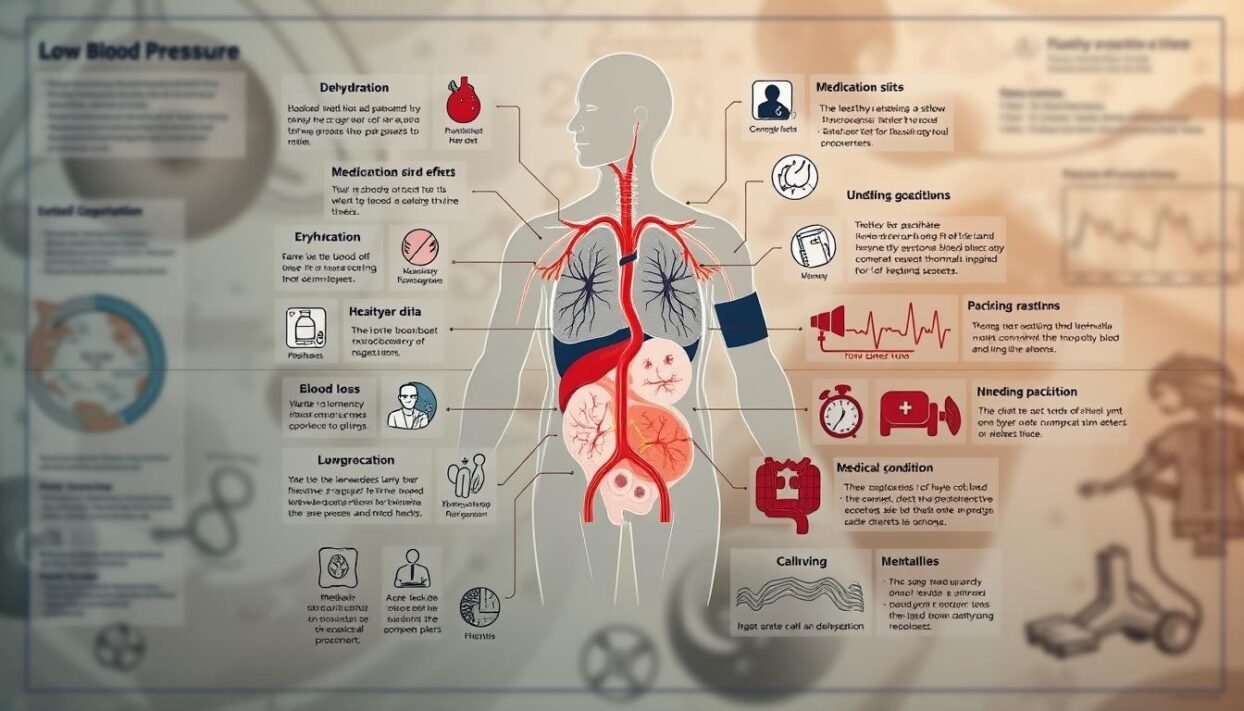
Low blood pressure has many causes. Studies have found new medical conditions, side effects of medicines, and lifestyle factors. Knowing these causes helps in managing and treating low blood pressure.
Newly Recognized Medical Conditions
Research has found new medical conditions that cause low blood pressure. These include autonomic nervous system disorders and endocrine disorders like adrenal insufficiency.
Medication Side Effects: Recent Findings
Some medicines can lower blood pressure as a side effect. Antihypertensive drugs can cause too much drop in blood pressure. Also, medicines for depression and Parkinson’s disease can lower blood pressure.
Environmental and Lifestyle Triggers
Lifestyle choices can lead to low blood pressure. Dehydration and nutritional deficiencies in vitamins B12 and iron can cause it. Extreme temperatures also play a role.
| Cause | Description | Prevalence |
|---|---|---|
| Autonomic Nervous System Disorders | Affects blood pressure regulation | 15% |
| Medication Side Effects | Drugs that lower blood pressure | 20% |
| Dehydration and Nutritional Deficiencies | Lack of fluids and essential nutrients | 30% |
Recognizing Modern Symptoms of Hypotension
Knowing the signs of low blood pressure is very important. You need to watch for any changes in your body. Some symptoms are well-known, but new ones have been found too.
Classic Warning Signs
Dizziness and lightheadedness are common signs of hypotension. They happen when you stand up too fast. You might also feel fainting or near-fainting episodes, which can be risky.
Other signs include feeling very tired, nauseous, and having a fast heartbeat. If you see these signs a lot, you should talk to a doctor.
Newly Documented Symptom Patterns
New studies have found more symptoms of low blood pressure. These include cognitive fogginess and trouble focusing. Some people might also feel shortness of breath or chest pain.
These symptoms can be tricky because they can also mean other things. Knowing about these new symptoms can help catch and treat hypotension early.
| Symptom | Classic or Newly Documented | Potential Complication |
|---|---|---|
| Dizziness | Classic | Falling or injury |
| Cognitive Fog | Newly Documented | Decreased productivity |
| Fainting | Classic | Head injury |
| Shortness of Breath | Newly Documented | Respiratory distress |
Breakthrough Diagnostic Technologies for 2026
New diagnostic tools are coming in 2026. They change how we deal with low blood pressure. These tools make diagnosing hypotension better and faster, leading to more tailored treatments.
AI-Powered Blood Pressure Monitoring
Artificial Intelligence (AI) is key in making better blood pressure monitors. These AI tools look at lots of data to find patterns. This helps doctors make accurate diagnoses and act quickly.
AI can even guess when someone might have low blood pressure. It uses past data and current readings to help manage it better.
Wearable Technology Advancements
Wearable tech has gotten a lot better. Now, devices can watch your blood pressure all the time. They are easy to use and give important data for managing low blood pressure.
Telemedicine Applications for Hypotension
Telemedicine is getting more use for managing hypotension. It lets patients talk to doctors from home. This is great for those who can’t get to the doctor easily.
With telemedicine, patients get advice and treatment changes without seeing a doctor in person.
| Diagnostic Technology | Key Features | Benefits |
|---|---|---|
| AI-Powered Monitoring | Advanced data analysis, predictive capabilities | Early detection, personalized treatment |
| Wearable Devices | Continuous monitoring, real-time data | Convenience, timely interventions |
| Telemedicine | Remote consultations, flexible scheduling | Accessibility, reduced healthcare costs |
Revolutionary Treatment Options for Low Blood Pressure
Managing low blood pressure is getting better, thanks to new ideas in 2025. Scientists are learning more about low blood pressure every day. This means new ways to treat it are being found.
Now, you can try new treatments that can really help if you have low blood pressure. These treatments can make your life better.
Next-Generation Medications
New medicines are being made to fight low blood pressure. These medicines aim to fix the problem in a more precise way. For example, some medicines work on the renin-angiotensin-aldosterone system.
These new medicines might help control your symptoms better. If you’re looking for a treatment, these could be good options.
Innovative Non-Pharmaceutical Approaches
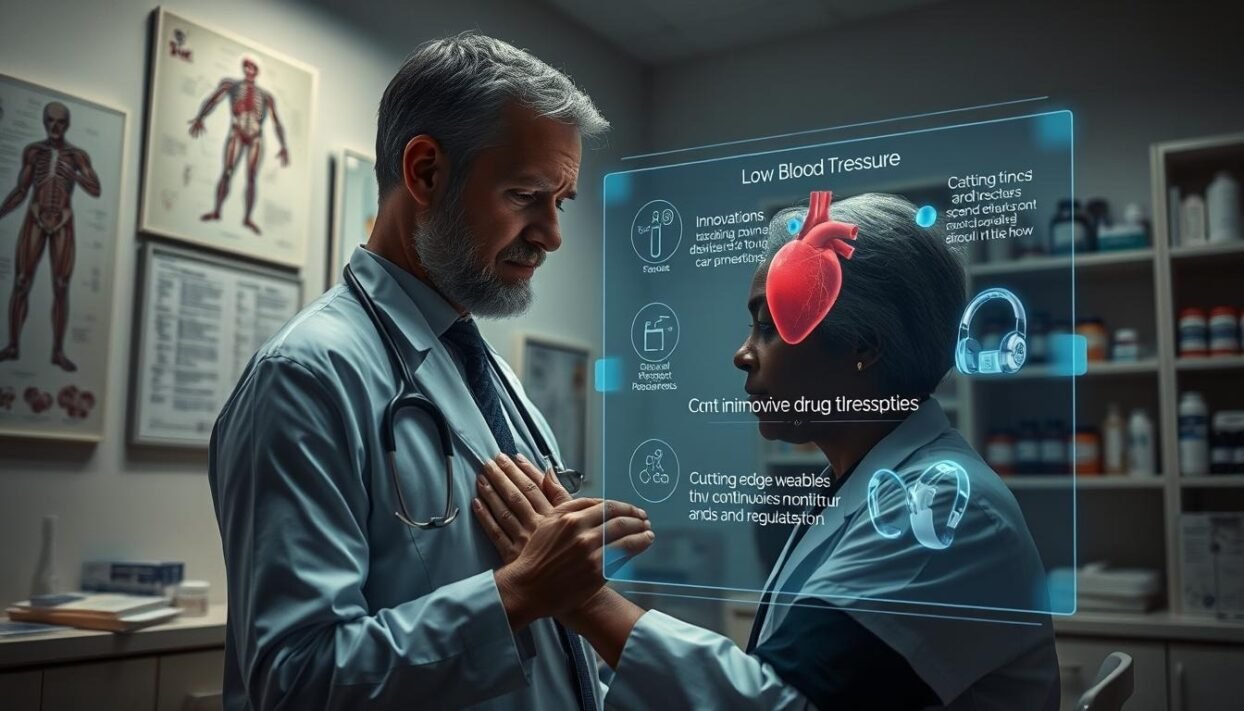
New ways to treat low blood pressure don’t always involve medicines. There are cool gadgets that can watch your blood pressure as it happens. You can also try special exercises to help your heart.
Even things like acupuncture and herbal supplements are being looked at. They might help too.
Emerging Clinical Trials and Research
New studies are important for finding better treatments for low blood pressure. They’re looking at how diet and exercise can help. It’s exciting to see how small changes can make a big difference.
As these studies finish, we’ll have even better ways to treat low blood pressure. This means you can work with your doctor to find the best plan for you.
By keeping up with these new treatments, you can find a plan that really works for you. This can make you feel much better.
Expert-Recommended Management Strategies
Experts say managing low blood pressure needs lifestyle changes and new tech. To handle hypotension well, you must use many strategies together.
Digital Health Tools for Daily Monitoring
Use digital tools to check your blood pressure often. Wearables and apps can track your numbers. Some apps can spot odd patterns and warn you.
Key Features of Digital Health Tools:
- Continuous blood pressure monitoring
- Personalized data analysis
- Alerts for abnormal readings
Personalized Prevention Plans
Creating a plan just for you is key. Find out what makes your blood pressure drop and how to avoid it. Doctors can help make a plan that fits your life and health.
Emergency Response Protocols
It’s important to know what to do in an emergency. Knowing how to act when your blood pressure drops can save you from big problems. Always have important phone numbers ready and a plan.
| Emergency Response Steps | Action |
|---|---|
| 1. Recognize Symptoms | Identify signs of a severe drop in blood pressure, such as dizziness or fainting. |
| 2. Seek Immediate Help | Call emergency services or have someone assist you in getting medical help. |
| 3. Provide Information | Share your medical history and current condition with healthcare providers. |
Using these tips every day can help you manage low blood pressure better. This will make you feel better overall.
2026’s Evidence-Based Lifestyle Modifications
In 2026, making lifestyle changes for low blood pressure is very important. Research shows that some changes can really help. By adding these to your daily life, you can manage hypotension better and feel healthier.
Optimal Nutrition Plans for Hypotension
Eating well is key for low blood pressure. Increasing salt intake can help, but only with a doctor’s advice. Drinking lots of water is also important. Avoiding too much alcohol helps keep blood pressure up.
Eating foods rich in electrolytes is good too. Bananas have potassium and nuts have magnesium. These can help a lot.
Physical Activity Guidelines Based on New Research
Being active is also very important. Low-impact exercises like walking or swimming are good. They help your blood flow without straining your body too much.
It’s also good to avoid standing for long periods. This can make hypotension worse. Wearing compression garments and elevating your legs when sitting or lying down can also help.
Dr. Jane Smith, a top researcher, says, “Lifestyle changes are not a full fix but can help a lot when used with medical treatment.” Making these changes can help you manage your low blood pressure better.
Conclusion: The Future Outlook for Hypotension Management
Research is making big steps in understanding and managing low blood pressure, or hypotension. New studies have found more causes of hypotension. These include new medical conditions and side effects from medicines.
AI-powered blood pressure monitoring and wearable tech are changing how we diagnose. They help find problems sooner and more accurately.
Now, there are many new ways to treat hypotension. This includes new medicines and non-medical methods. Experts are also using digital health tools and making plans just for you.
They are also focusing on healthy living. This includes good food and exercise plans made just for people with hypotension.
The future of managing hypotension looks bright. New studies and trials are coming up. By keeping up with the latest, you can handle your condition better.
As research grows, we will see even more ways to live well with hypotension. This means a better life for those dealing with it.
FAQ
What are the common symptoms of low blood pressure?
Symptoms include dizziness and feeling lightheaded. You might also faint, feel very tired, or see things blurry. Nausea, a fast heartbeat, and shallow breathing are other signs.
How is low blood pressure diagnosed?
Doctors check your blood pressure regularly. They also look at your medical history and do a physical exam. Sometimes, they do more tests like blood tests or heart exams.
Can lifestyle changes help manage low blood pressure?
Yes, changing your lifestyle can help. Eating more salt and drinking lots of water helps. Avoid standing for too long and wear compression socks. Eating well and exercising regularly also helps.
Are there any new treatments available for low blood pressure?
Yes, new treatments are coming. There are new medicines and non-medical ways to help. Doctors are also testing new ideas like wearable devices and online health care.