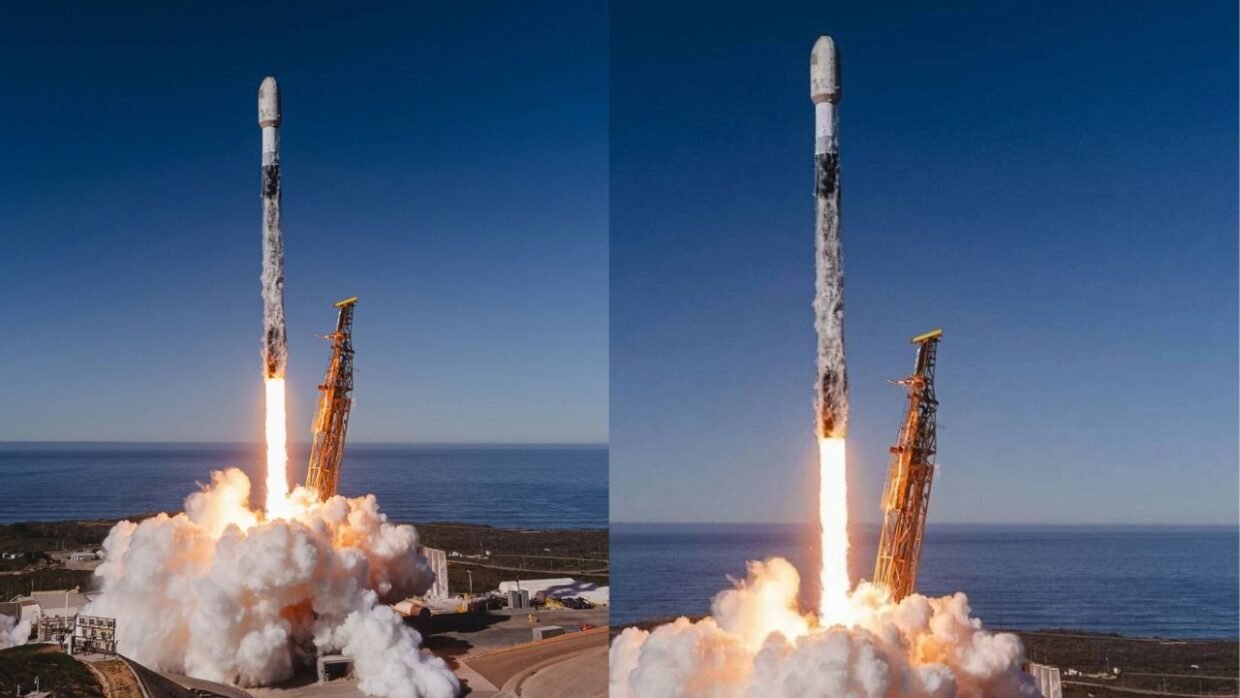
UAE Space Ambitions Rise :In 2026, the United Arab Emirates will continue to improve its position in the global space sector through a series of initiatives and achievements aimed at expanding knowledge and promoting economic growth.
The UAE will join the rest of the globe on April 12th to commemorate International Day of Human Space Flight, which coincides this year with the country’s approval of the National Space Strategy 2031, which aims to increase the sector’s economic contribution.
The strategy has three primary objectives: creating a robust and investment-friendly space environment, expanding global relationships and market access, and constructing competitive infrastructure and facilities.
Key goals include doubling space economy revenues, ranking the UAE among the world’s top ten space economies by 2031, growing the sector’s economic contribution, and raising the number of national enterprises, export markets, and space-related investments.
The announcement builds on the previous strategy’s achievements, which included the development of sophisticated local space technology capabilities, the launch of research missions, and strengthened international relationships. The UAE has constructed 30 satellites, and over 170 firms are presently involved in the space economy.
The UAE extended the Mars Probe mission until 2028 earlier this year, citing operational success and ongoing data collecting on Mars’ atmosphere and environment.
In March, a decree was issued to establish the Sharjah Space and Astronomy Complex, coinciding with the launch of the CubeSat “Sharjah Sat-2,” which will provide high-resolution spectrum data to support research and strategic planning.
The United Arab Emirates is rapidly progressing in space technology, with significant growth and ambitious future goals. In recent years, the country has prioritized satellites, deep space missions, and new digital systems to establish itself as a worldwide space leader. But, along with achievement, there are obstacles that must be addressed.
UAE space ambitions reach new height with bold future vision
The UAE has quickly established a robust space program. From launching satellites to sending expeditions to Mars, the country has established a global presence in space science. The renowned Hope Probe mission allowed the UAE become one of the few countries to successfully visit Mars.
The country is also developing new missions, including as asteroid exploration and improved satellite systems. These projects benefit not only research, but also economic growth and innovation. Several satellites were launched in 2025 to improve communication and Earth-observation systems.
The Space Data Centre is a major advance forward, as it leverages AI and satellite data to aid in climate monitoring, disaster response, and research. This demonstrates how space technology is now intertwined with everyday life and global issues.
Also reads : Vivo S50 Pro Mini will come with an iPhone Air-like best style and cutting-edge functionality.
Strong growth or risky investment? UAE space future debate
While the UAE has made great progress, experts say there are still hazards. Space projects necessitate significant expenditure, a long timeline, and advanced technology support. If not properly managed, it can have an impact on budgets and returns.
However, the UAE is attempting to mitigate risk by forming alliances with international space organizations and commercial firms. These collaborations enable to share knowledge and costs. The country is also investing in young talent and research initiatives to develop its own expertise.
The goal is clear: become one of the world’s leading space economies. Future plans call for the expansion of satellite networks, lunar expeditions, and even human space exploration.
Final view
The UAE’s space voyage is a mix of significant opportunity and potential risk. If the country continues with strategic planning and worldwide cooperation, it has the potential to become a significant space power. However, careful investment and long-term strategy will be critical to success.
- Join our whatsapp channel for daily updates.
- Follow tazatimesnews Telegram Channel for latest news alerts.
- Follow TazaTimesNews on TruthSocial for exclusive updates