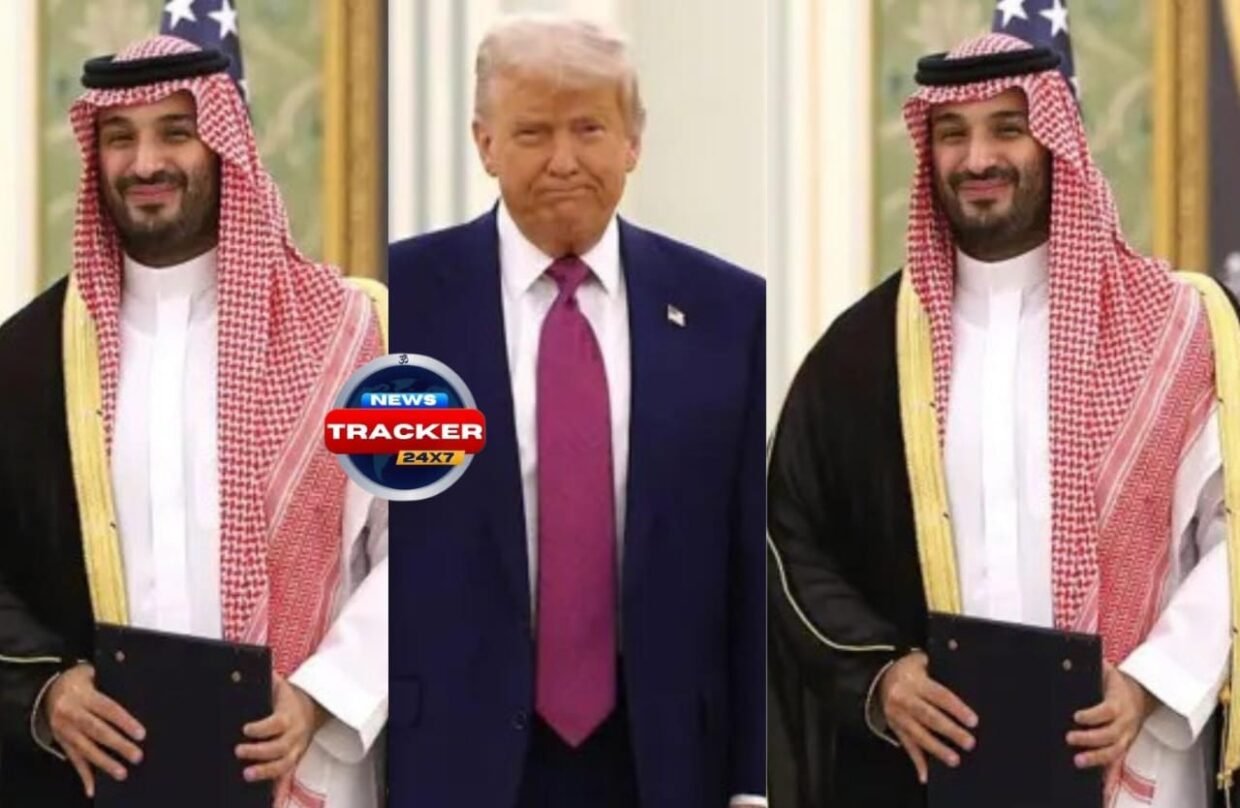
Saudi Arabia : In a huge geopolitical step, US President Donald Trump has confirmed that the US will sell F-35 fighter jets to Saudi Arabia, despite concerns within his own government about China having access to secret American defense technology. The announcement comes as Saudi Crown Prince Mohammed bin Salman embarks on a high-profile visit to Washington, his first in over seven years. When asked about the sale, Trump responded, “I will say that we will do that… We will sell F-35s,” according to the Associated Press.
Saudi Arabia : Balancing Middle East equations with US strategic goals.
The crown prince is likely to arrive with specific demands, such as clearly defined US security guarantees for the kingdom and an agreement to purchase the highly advanced F-35 warplanes. However, the US administration is wary about preserving Israel’s qualitative military advantage. This sensitivity is heightened by Trump’s reliance on Israeli support for his Gaza peace proposal. Officials have also expressed concern that the technology could be compromised or exploited, which had previously hampered potential F-35 sales to the United Arab Emirates. The increasing cooperation between Riyadh and Beijing, notably recent joint naval drills and China’s role in facilitating a Saudi-Iranian rapprochement in 2023, has heightened US concerns.
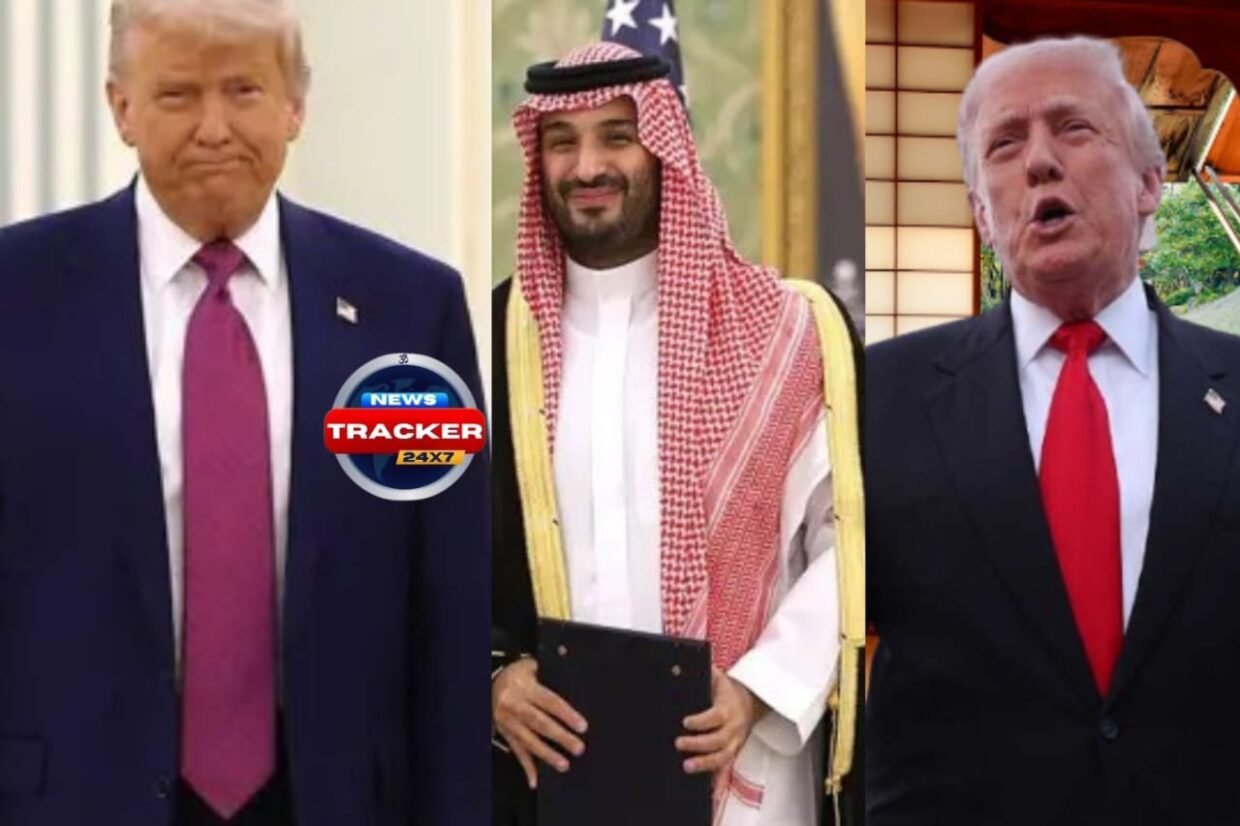
Despite China becoming Saudi Arabia’s largest trading partner last year, the United States remains the kingdom’s favored source for defense equipment. According to analysts, Congress may seek strong assurances from Riyadh about its dealings with Beijing, as well as comprehensive measures to retain Israel’s military edge.
Abraham agrees: Ambition versus ground realities.
The timing of Trump’s decision is noteworthy since he is attempting to mediate normalization between Saudi Arabia and Israel. He has argued that the expansion of the Abraham Accords, a flagship achievement of his first term, is the key to long-term Middle East peace. Speaking to reporters on Air Force One, he stated, “I hope that Saudi Arabia will enter the Abraham Accords very soon.” Nonetheless, internal assessments are wary. Saudi Arabia has stated unequivocally that it will only join the accords if there is a sure path to a Palestinian state, a requirement strongly opposed by Israel.
The recent UN Security Council approval of a US-backed Gaza stabilization plan, which provides a possible road to Palestinian statehood, has created a new dynamic, although diplomats believe a breakthrough is unlikely in the immediate future. There is still cautious confidence that an agreement can be reached by the end of Trump’s second term.
Bradley Bowman, an analyst with the Foundation for Defence of Democracies, commented, “Let’s hope President Trump makes it plain that the first F-35s will not be delivered until Saudi Arabia normalizes relations with Israel. Otherwise, the president will undermine his own power.
Previous deals and political crosscurrents
The discussion about F-35 sales is not new. The Trump administration told Congress in November 2020 of its plan to sell 50 F-35 fighter fighters to the UAE as part of a major 23 billion dollar package geared at combating Iran. The move came soon after the UAE signed the Abraham Accords. However, this agreement was halted by President Joe Biden in early 2021.
Human rights groups are sure to criticize Trump’s support of the Saudi deal, especially given that this is the crown prince’s first visit to Washington since 2018. His previous US journey intended to alter Saudi Arabia’s image, but months later, global outrage erupted following the murder of Washington Post journalist Jamal Khashoggi, which US intelligence services say the prince likely ordered. Although he denies involvement, the tragedy has thrown a lasting shadow over US-Saudi relations.
A reset in US-Saudi relations.
Trump appears to have gotten over prior problems and deepened his relationship with the crown prince, whom he sees as essential to America’s future Middle East strategy. Trump recently acknowledged the kingdom’s role, saying, “They have been a great ally.”