
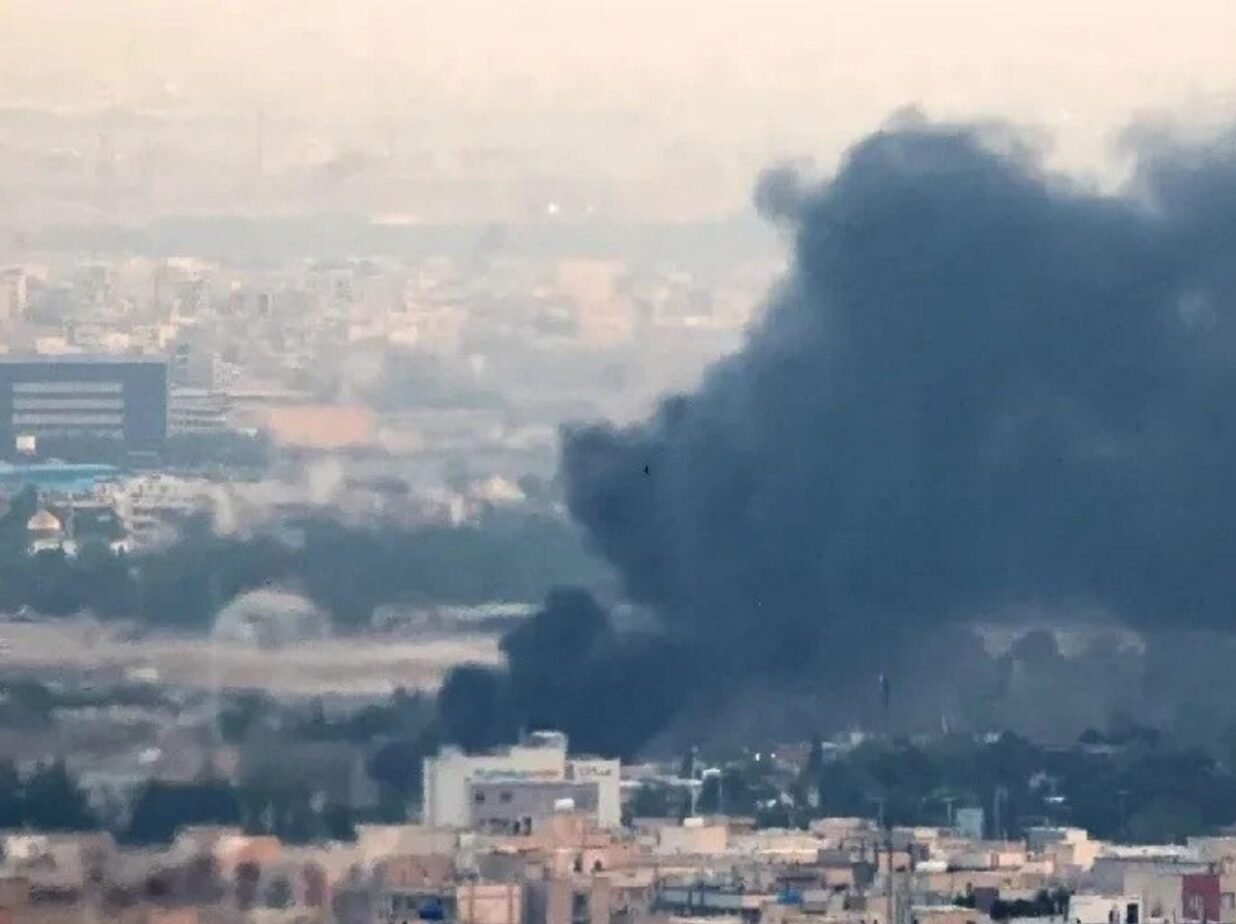
Israel launched a new missile strike on Iran early Saturday, drastically increasing tensions in West Asia and heightening worries of a larger regional clash.
According to Iranian media, several missiles hit Tehran’s University Street and the Jomhouri area, causing loud booms throughout the capital. Following the explosions, Iranian officials did not immediately issue an official statement.
The conflict comes months after the two foes exchanged direct attacks during a 12-day air war in June, and it follows repeated threats from the US and Israel that further action would be taken if Tehran continued to advance its nuclear and ballistic missile programs.
Israel highlights security threats.
Israeli Defence Minister Israel Katz confirmed the operation, saying, “The State of Israel launched a pre-emptive attack against Iran to remove threats to the State of Israel,” implying that the strike was meant to eradicate perceived strategic threats rather than as a retaliation measure.
According to Israeli media, sirens were heard in several cities, and the military issued civilians with precautionary alerts. According to the IDF, the warnings were issued as a “proactive alert to prepare the public for the possibility of missiles being launched toward the state of Israel.”
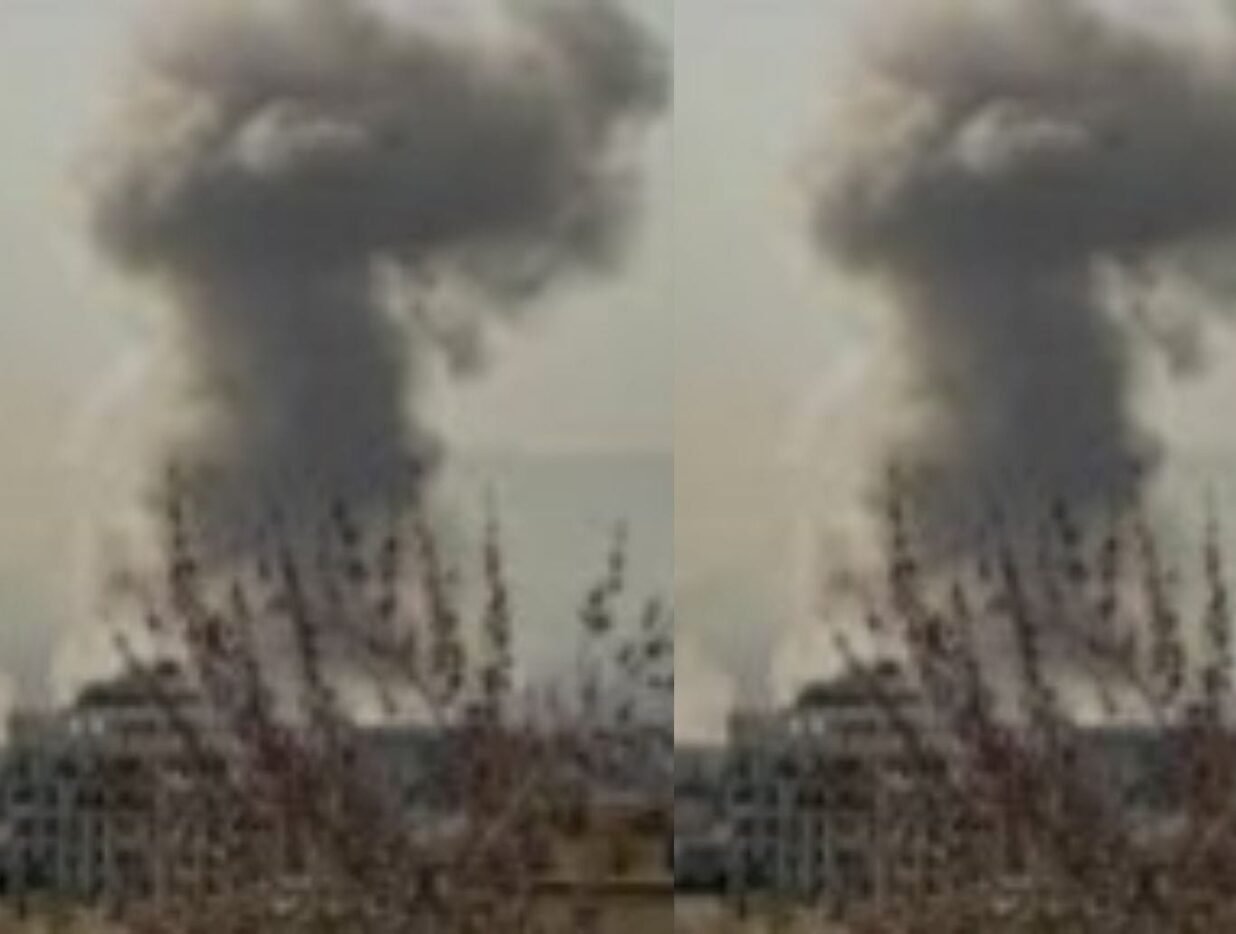
Nationwide safeguards inside Israel
Authorities promptly implemented emergency measures around the country. The Israel Airports Authority said that civilian airspace had been restricted, and citizens were advised to avoid airports. Schools were closed across the country, public gatherings were restricted, and many workplaces were instructed to transition to virtual operations.
The preparations mirrored concerns of swift reprisal, since Iran has regularly threatened to retaliate militarily to any strike on its land.
Also reads : Afghan MP in Exile Says India Strong Enough to Counter Pakistan’s Nuclear and Terror Network
Nuclear negotiations under pressure
The escalation jeopardises ongoing diplomatic attempts. In February, Washington and Tehran resumed negotiations to resolve the long-running nuclear disagreement and avoid a military conflict. Israel has consistently demanded that any agreement entail destroying Iran’s nuclear facilities and limiting its missile programme.
Iran, on the other hand, has stated that while it is willing to accept constraints on its nuclear programs in exchange for sanctions relief, it will not include missile capabilities in the same framework. Tehran has also declared that it will defend itself if attacked.
Risk of a larger regional conflict.
Iran has already threatened neighbouring countries hosting American soldiers that they may become targets if the US joins Israeli action. In June, the US supported Israeli operations against Iranian nuclear facilities, provoking Tehran to fire missiles at Qatar’s Al Udeid air base, the largest American military facility in the area.
Western nations worry that Iran’s ballistic missile development jeopardises regional stability and could eventually be used to deliver nuclear weapons. Iranian leaders deny pursuing nuclear weapons and say that their project is defensive.
With direct strikes resumed and emergency measures in place throughout Israel, the chances for diplomacy remain doubtful, while the Middle East faces the threat of another extended armed conflict.
- Join our whatsapp channel for daily updates.
- Follow tazatimesnews Telegram Channel for latest news alerts.
- Follow TazaTimesNews on TruthSocial for exclusive updates