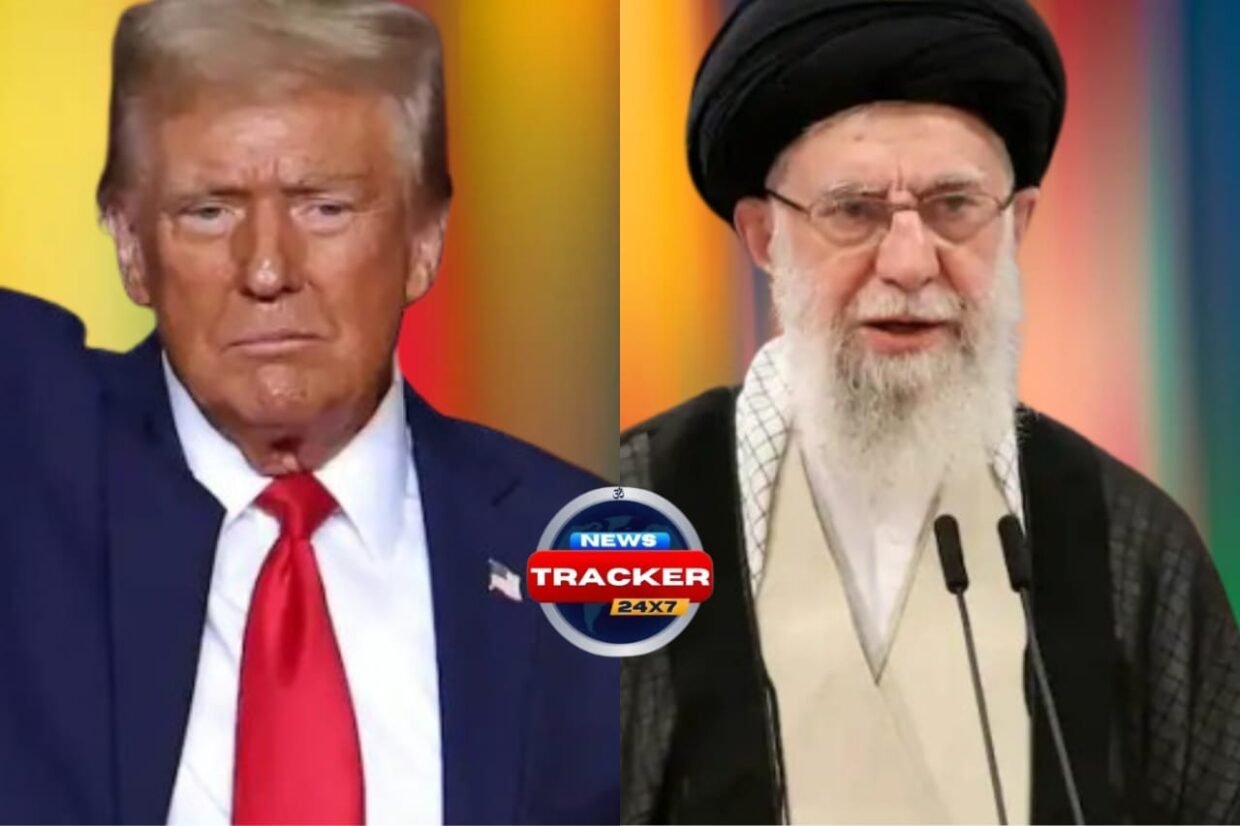
The USS Abraham Lincoln carrier strike group is steaming in the Arabian Sea, and Iranian Supreme Leader Ali Khamenei warns that any American attack would spark a regional war.
US President Donald Trump has sent six destroyers, an aircraft carrier, and three littoral combat ships to the region, boasting that the armada is larger than the one used to depose Venezuela’s government in January.
His vows of “speed and violence” against Iran recall the maximalist language that has accompanied other American military follies, from Iraq to Libya. Tehran, for its part, has responded with its own chest-thumping, with Foreign Minister Abbas Araghchi claiming that Iranian forces have “their fingers on the trigger.”
However, underlying this theatrical posturing, there is a deadly dynamic that could escalate out of control for any side. The European Union’s designation of Iran’s Revolutionary Guard Corps as a terrorist group, which Tehran has reciprocated by classifying EU forces as such, adds fuel to an already dangerous situation.
Iranian parliamentarians wearing IRGC uniforms and yelling “Death to America” in parliament may be political theater, but it represents true nationalistic zeal, which limits Tehran’s capacity to back down in the face of military pressure.
History indicates that displays of overwhelming force rarely scare foes into submission. More frequently, they incite nationalist outbursts and produce domestic political imperatives that render compromise politically lethal.
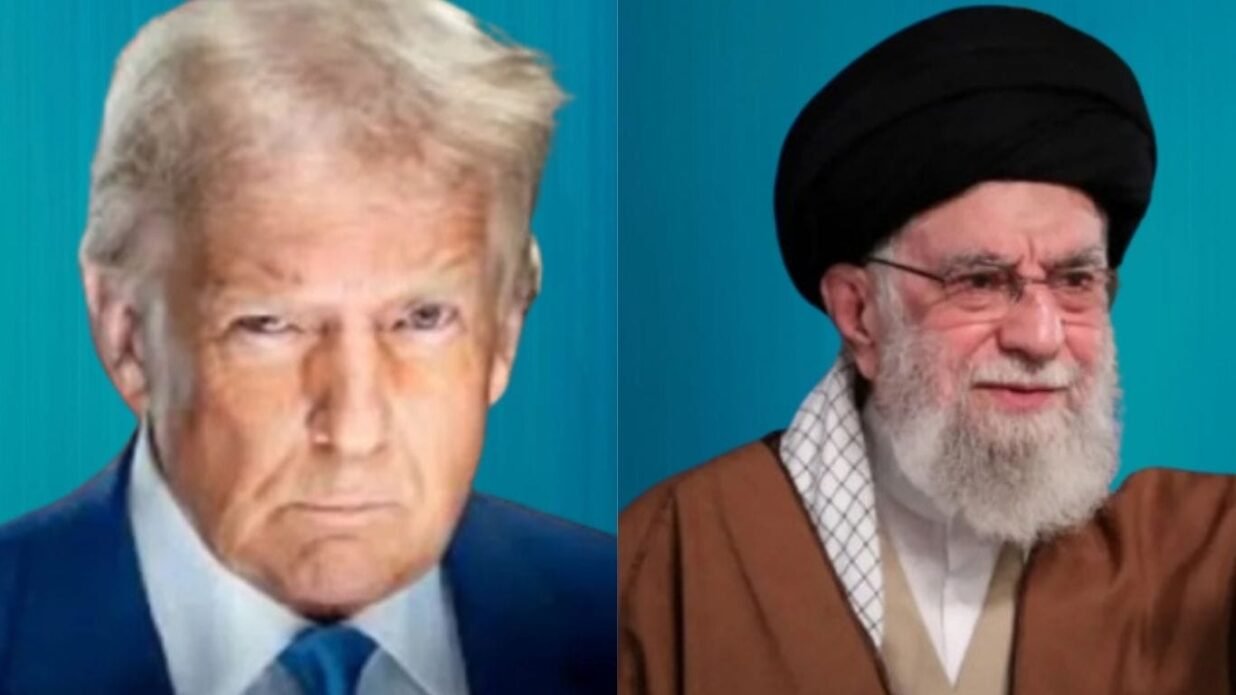
Iranian Supreme Leader Ali Khamenei warns to US President Donald Trump
Khamenei’s description of recent protests as “a coup,” comparable to 2009’s Green Movement, suggests a regime under siege and may regard compromises as existential weakness.
The underlying question that Washington appears unable to articulate coherently is: what exactly would military attacks accomplish? The declared objectives—halting Iran’s nuclear program, cutting backing for regional proxies, and putting an end to the crackdown on protesters—are neither possible nor sustainable without a land invasion, which no one is seriously considering.
Last year’s US strikes on Iranian nuclear facilities during the 12-day Israel-Iran war serve as a somber warning. Rather of scaring Tehran, the airstrikes prompted Iran to retaliate against Qatar’s Al Udeid Air Base and launch missile strikes on Israeli cities.
The nuclear program was momentarily interrupted, but not eliminated. UN sanctions were reinstated, but Iran’s enrichment capabilities remained intact. In short, military action had tactical consequences while exacerbating the geopolitical predicament.
The overall goal of reducing Iranian influence appears even more fanciful. Yes, Iran’s regional position has deteriorated significantly: the fall of Bashar al-Assad in Syria, the shredding of Hezbollah’s leadership, and international pressure on Hamas and Iraqi militias to disband are all blows for Tehran.
Furthermore, the idea that attacking Iran will result in a democratic transition is naive historical amnesia. American military operations in Iraq, Libya, and elsewhere have invariably resulted in anarchy, not liberal democracy. Iranian demonstrators seeking economic reform and increased personal freedom are unlikely to hail foreign bombs as liberators.
Khamenei’s warning about regional war should not be ignored as rhetoric. Iran has proved the capability and desire to hit US locations in the Middle East, from Qatar to Iraq to Syria. Despite years of American and coalition strikes, the Houthis in Yemen continue to threaten Red Sea shipping—a capability that would grow in any larger fight.
The Strait of Hormuz, which transports around 20% of global oil exports, would undoubtedly become a target for Iranian mining or missile attacks. While Iran cannot permanently close the strait without risking catastrophic reprisal, it may surely hinder transportation long enough to cause global energy costs to skyrocket—hardly a desirable conclusion for an American economy currently dealing with inflation fears.
Perhaps most concerning is the possibility of direct Israeli-Iranian escalation. Israel’s leadership has its own reasons to attack Iran’s nuclear facilities before they proceed further, and a US-Iran war would provide political justification for such action.
- Join our whatsapp channel for daily updates.
- Follow tazatimesnews Telegram Channel for latest news alerts.
- Follow TazaTimesNews on TruthSocial for exclusive updates