
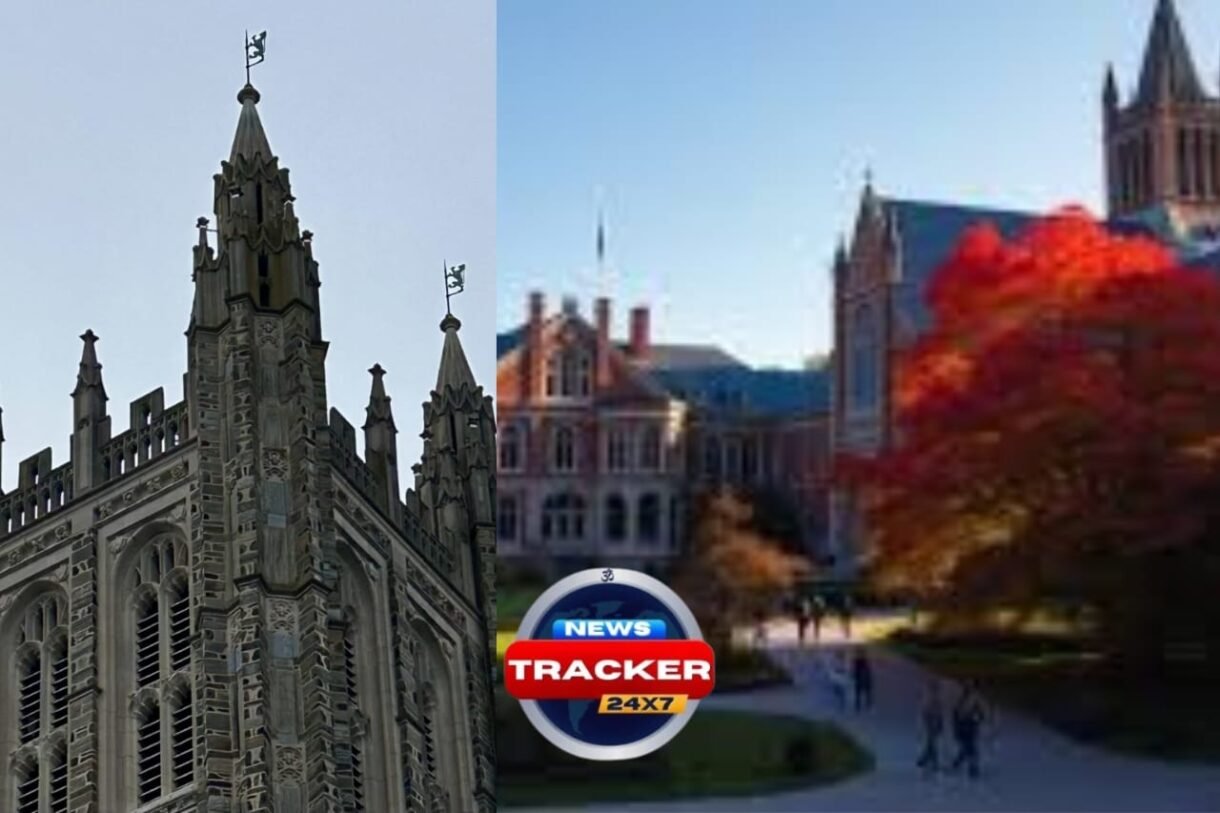
Princeton University represents the pinnacle of American higher education for students all over the world, a name synonymous with greatness, tradition, and seemingly insurmountable challenges. With an acceptance rate of barely 5%, it is one of the most selective universities in the United States, admitting only a fraction of its highly talented candidates each year.
Princeton University founded in 1746, is one of the Ivy League’s oldest universities
Princeton, founded in 1746, is one of the Ivy League’s oldest universities, and it is ranked first in both National Universities and Best Value Schools in the 2026 edition of US News & World Report’s Best Colleges. The university’s reputation reflects not only its intellectual excellence, but also its financial accessibility, an increasingly rare combination in elite higher education. The statistics came from the US News and World Report.
An overview of the institution
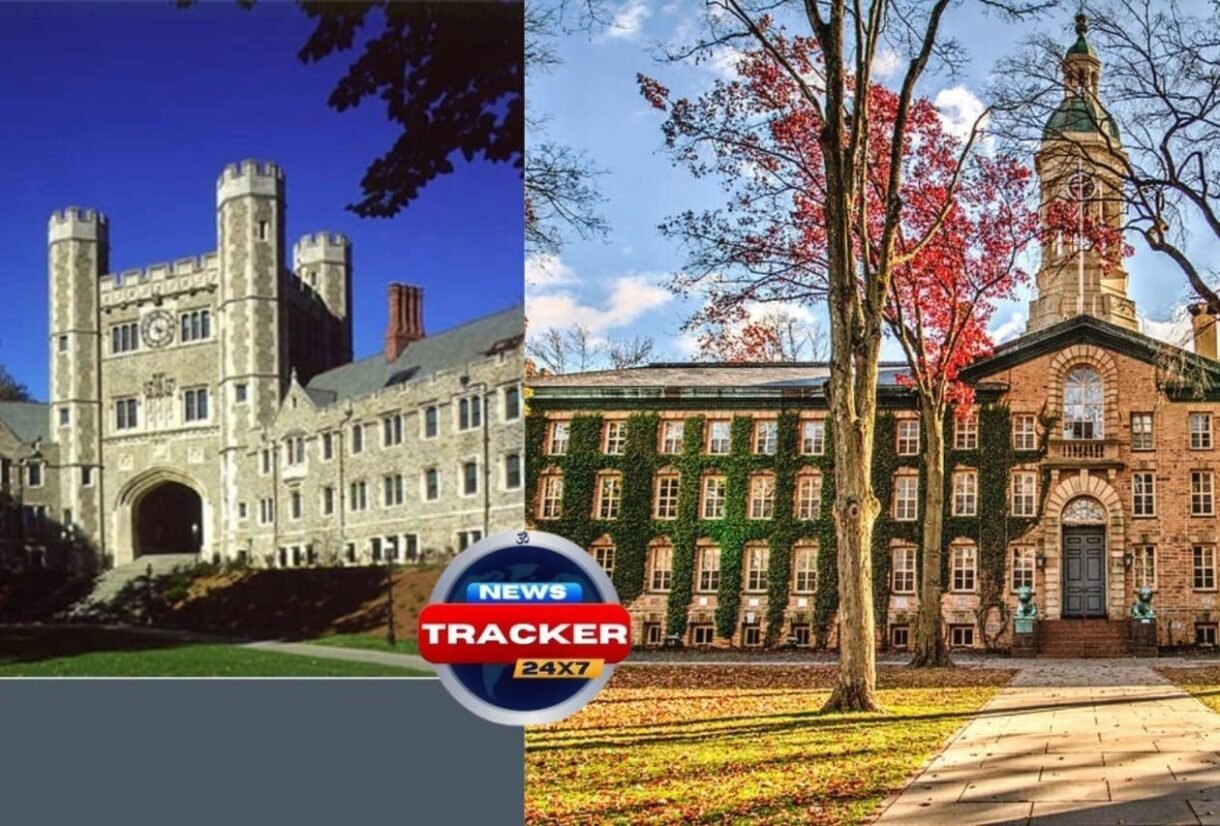
The university is located in the tranquil suburban town of Princeton, New Jersey, and has a 3,500-acre campus with Gothic architecture and large green spaces. As of Fall 2024, Princeton had 5,813 undergraduates and 3,324 graduate students, for a total student body of 9,137. The academic calendar is semester-based, and with a student-faculty ratio of 5:1, the climate is remarkably intimate for such a large university.
Academics and Programmes
Princeton provides undergraduate and graduate degrees in a variety of fields, including humanities, social sciences, natural sciences, and engineering. The most common areas of study are Social Sciences (20%), Engineering (17%), Computer and Information Sciences (16%), Biological and Biomedical Sciences (10%), and Public Administration and Social Service Professions (10%).
While the engineering department is ranked 11th nationally among doctorate-granting universities, the overall academic experience is distinguished by small class sizes (76 percent of classes have less than 20 students) and a strong emphasis on independent research and writing.
The path to admittance
Getting into Princeton remains one of the most competitive admissions procedures in American higher education. The Class of 2029 had an acceptance rate of 5%. The majority of admitted students reported SAT scores ranging from 1510 to 1580 or ACT scores ranging from 34 to 35, with an average high school GPA of roughly 3.9.
The university accepts the Common Application and has a test-optional admissions policy, which evolved from pandemic-era flexibility. The application deadline is January 1, and each application is examined using what the university refers to as a “holistic review” method that includes essays, recommendations, and personal background in addition to academic records.
Cost, assistance, and value.
Tuition and fees for the 2025-26 academic year are $65,210, with food and housing adding another $21,170. However, Princeton’s long-standing financial aid policy assures that the true cost of attendance is significantly lower for the majority of students.
According to university data, 67% of first-year students receive need-based financial help, with an average package worth $71,237. The average net price for federal loan applicants is $8,143, demonstrating Princeton’s dedication to affordability, despite its exceptional profile.
This strategy supports the university’s continuous ranking by US News & World Report as the top Best Value School, blending educational quality with accessibility.
Student body and campus life.
The student body represents both national variety and international reach. The undergraduate population is 50.2% female and 49.8% male, with a racial and ethnic breakdown of 34% White, 23% Asian, 13% international, 10% Hispanic, 9% Black, and 7% identifying as two or more races.
Life on campus mixes academic rigor with a strong extracurricular culture. Students engage in public service, performing arts, sports, and policy research. Princeton’s attraction as a self-contained but well-connected academic powerhouse is enhanced by its suburban location while remaining accessible to large cities such as New York and Philadelphia.
Results after graduating
Princeton’s results remain among the best in the nation. The four-year graduation rate is 75%, and six years later, alumni report a median salary of $87,815. Graduates in engineering and finance often command far better starting salaries, while many also seek public service, teaching, and research careers.
Only 9% of graduates leave with any type of student debt, and the average debt at graduation is $18,146, demonstrating the university’s robust aid system.
The verdict
Admission to Princeton University is a difficult climb by any definition. The selectivity is fierce, the expectations are high, and the competition is global. However, the research suggests that individuals who get a spot will see great academic, professional, and personal returns on their investment.
Princeton’s long-standing place at the top of national rankings reflects not only prestige, but also consistency: a consistent commitment to teaching excellence, financial support, and long-term student success. Getting entrance may be difficult, but by most criteria, it remains one of the few institutions where the challenge matches the reward.
you join our whatsapp channel
you join our tazatimesnews Telegram Channel
you join our tazatimesnews truthsocial.com Channel
Also reads : CBSE date sheet 2026: Final Board exam schedule for Classes 10 and 12 is issued; it starts on February 17.