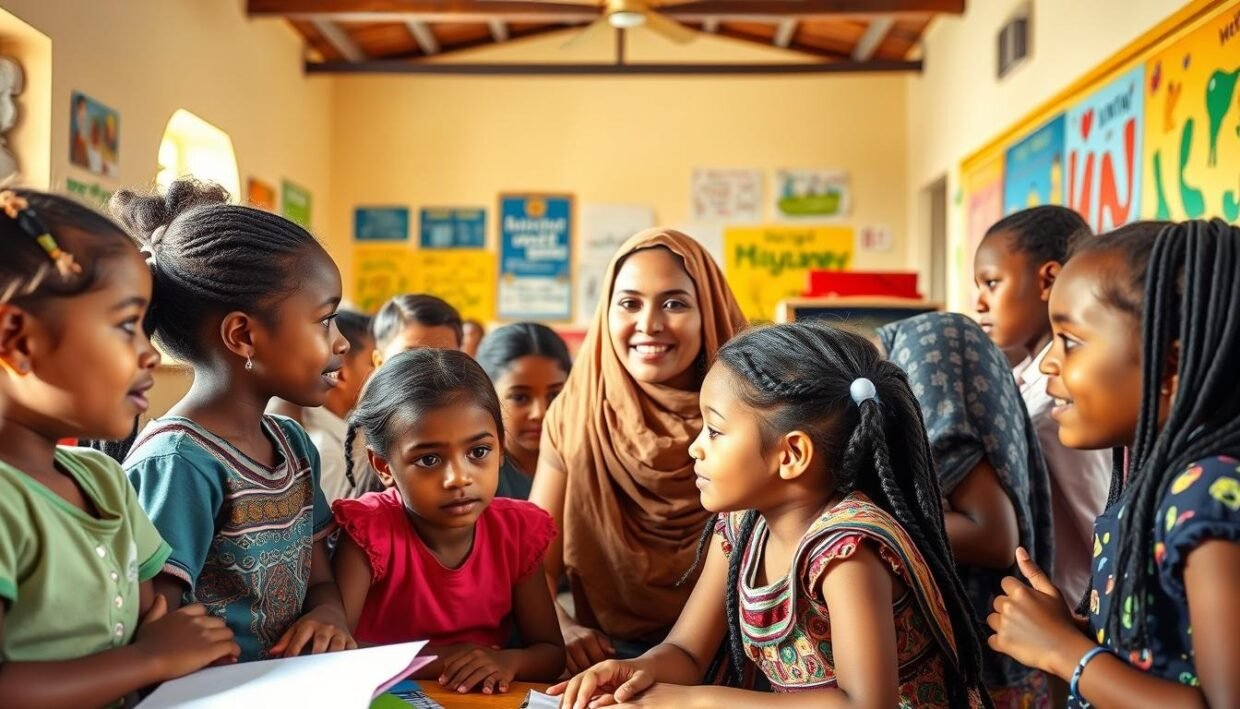
Girls’ Education : Do you remember a girl from your neighborhood who changed after staying in school longer? That change affects her family, community, and even local politics. Seeing more girls in school and more media talking about gender equality shows progress in India.
Numbers support this progress. UDISE+ shows more girls are literate and in school. NFHS reports women are getting more education. UNESCO and UNICEF India also see positive changes. Programs like Samagra Shiksha and Beti Bachao Beti Padhao are helping too.
Girls’ education is key for better lives and healthier families. When girls finish school, families earn more, kids are healthier, and communities are stronger. You can see these changes in your own community.
In this article, we’ll explore why girls’ education is important. We’ll look at its benefits for the economy, health, and society. Then, we’ll talk about the challenges girls face and how you can help. We’ll also share programs and policies that are making a difference.
Why Girls’ Education Matters for India
Investing in girls’ education changes lives and strengthens communities. It builds skills that increase household income and create strong local economies. UNESCO and the World Bank studies show that each extra year of schooling boosts wages and national growth.
Economic benefits for families and communities
When girls finish basic and secondary school, families earn more steadily and make better financial choices. Women with education often work in healthcare, education, and retail. This increases the skilled labor pool and boosts small business growth.
Educated mothers invest more in their children’s education. This effect reduces poverty over generations and improves household spending on food and health. Surveys like NSSO show that female education is linked to higher consumption, lifting local markets.
Health and wellbeing improvements linked to education
Girls’ schooling brings health gains for your household. Data from NFHS shows that mothers with secondary education seek antenatal care and institutional delivery more often. This lowers infant and maternal risks.
Education raises health literacy, teaching girls about nutrition, hygiene, and family planning. Better knowledge increases immunization rates and healthy practices at home. It also strengthens mental wellbeing by reducing exploitation and giving girls social support networks.
Reduced child marriage and improved maternal outcomes
Keeping girls in school helps reduce child marriage in India. Evidence from UNICEF and government reports shows girls who finish secondary school are much less likely to marry early. This leads to delayed childbearing and safer pregnancies.
Maternal health education leads to fewer adolescent pregnancies and better birth spacing. These changes lower maternal mortality and improve newborn health. Delayed marriage lets girls pursue work and higher study, boosting girls’ empowerment outcomes and strengthening gender equity.
Barriers to Access and How You Can Help
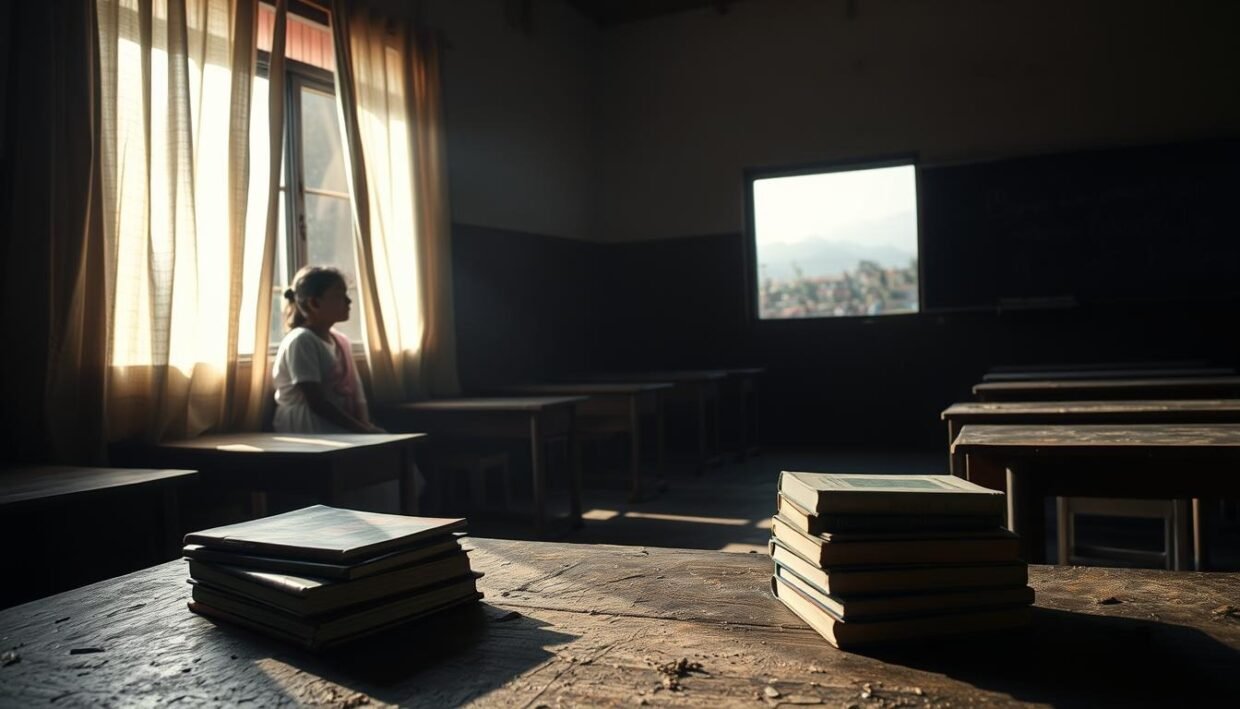
Many girls in India face big obstacles to finish school. Poverty, social norms, and poor school facilities are major barriers. But, with small actions, we can turn these obstacles into chances for success.
Socioeconomic limits force families to make hard choices. In places like Bihar, Uttar Pradesh, and Jharkhand, poverty is high. This means girls often leave school to work or help at home.
Helping with school costs and offering scholarships can help. Programs like midday meals keep girls in school longer. By expanding these efforts, we can help more girls stay in school.
Cultural norms and gender bias also play a big role. In some areas, boys get more education. Girls are often expected to do household chores and learn skills like sewing.
Stigma around menstruation also keeps girls out of school. UNICEF and the government are working to change this. By talking about these issues and involving men, we can help girls stay in school.
Infrastructure gaps like bad toilets and unsafe schools worry parents. Reports show many schools lack proper facilities. Long, dangerous walks to school add to the challenges.
Fixing these problems can help. Building separate toilets, improving transport, and hiring more female teachers are key. These steps make schools safer and more welcoming for girls.
How you can help starts with simple actions. You can volunteer to teach or mentor girls. Donating to scholarships and school projects also helps.
You can also talk to politicians to get more money for schools. Organize book drives or sponsor a girl’s education. Use social media to spread the word about helping girls get an education.
By supporting girls’ education, we can overcome many barriers. Your time, money, and voice can make a big difference. Together, we can ensure girls have safe and equal access to education.
Successful Programs and Policy Approaches
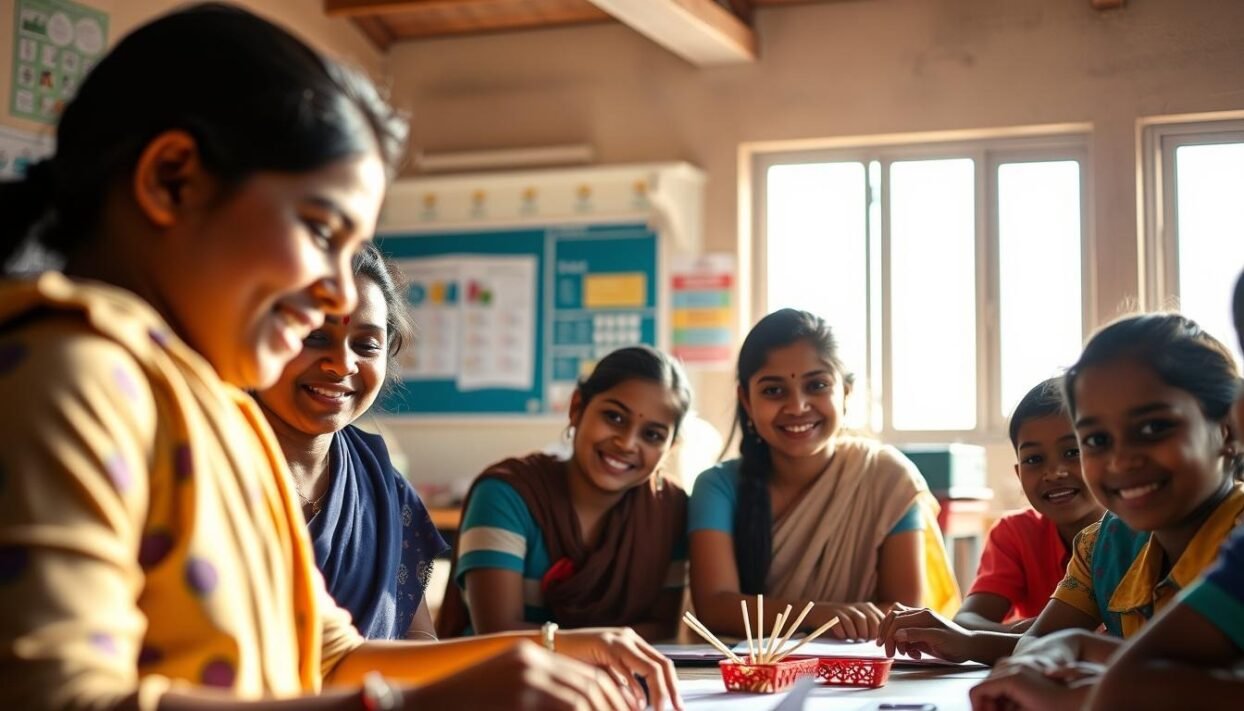
When national policy meets local action, we see real progress. Programs like Beti Bachao Beti Padhao aim to improve girls’ survival and education. They use targeted campaigns and monitoring to achieve this.
Samagra Shiksha improves schools by upgrading classrooms and teacher training. This makes schools safer and more welcoming for girls.
Scholarship schemes like Kanya Vidya Dhan help with secondary school costs. Conditional cash transfer programs in states like Rajasthan and Kerala boost attendance. UDISE+ data shows better infrastructure and more students where Samagra Shiksha is active.
Government initiatives boosting female enrolment
BBBP uses communication and local monitoring to improve girls’ enrolment. Samagra Shiksha supports education from early grades to secondary. State scholarships and incentives help families keep girls in school.
NGO models that empower girls and communities
Organizations like Pratham and Room to Read focus on teaching and life skills. Global partners like Malala Fund and UNICEF support education and policy. Local NGOs offer vocational training and digital skills.
Effective programs include community mobilization and mentorship. They also provide health education and scholarships. Evaluations show better test scores and fewer dropouts.
Community-led solutions and local champions
Gram panchayats and women’s groups are key to lasting change. Community monitoring improves teacher attendance and school quality. Evening learning centers and safe transport make schools accessible.
Supporting community education initiatives helps teachers and local staff. Small investments can lead to big gains in girls’ education.
Conclusion
Investing in girls education is key to India’s future. Supporting girls in school boosts the economy, improves health, and fights for equality. This effort leads to higher family incomes, fewer child marriages, and healthier families.
Your actions can change lives. To empower girls in India, help with costs, challenge old beliefs, and ensure schools are safe. Back programs from the government, NGOs like Pratham and UNICEF India, and local groups that show results.
Start making a difference today. Volunteer, donate, mentor, or advocate for better school conditions. Look at UDISE+ data to find where help is needed most. Small actions, like sponsoring a girl’s education or mentoring, can add up. Together, we can make a big impact and change lives in India.
FAQ
How does girls’ education change lives and communities in India?
Girls’ education boosts family income and health. It also strengthens community involvement. Recent data show more girls are going to school.