

E-commerce 2025 : Have you ordered groceries on your phone lately or searched for a local seller in your language? Online shopping is changing fast. 2025 might be the year these changes become the norm.
India’s digital retail market is growing fast. More people have smartphones, internet access, and easier ways to pay online. Reports from Bain & Company, McKinsey, and IBEF show strong growth in online sales, with a focus on groceries and essentials.
Why does E-commerce 2025 matter to you? It’s because AI, better fintech, smarter logistics, and new rules are coming together. Big names like Amazon India, Flipkart, and Paytm are investing a lot. Their efforts will change prices, what you can buy, and how fast it arrives.
This article will guide you through the changes. You’ll learn about omnichannel experiences, AI personalization, and mobile-first commerce. You’ll also see how AR, payments, and logistics are changing the game. And how consumer behavior and rules will shape the future.
Keep reading for practical tips. Adapt your shopping, selling, marketing, or logistics strategies for the future of e-commerce.
E-commerce 2025: Key Trends Reshaping Online Shopping
The gap between online and offline shopping is shrinking fast. Retail giants like Reliance Retail connect online and offline stores. This lets you buy online and pick up in a nearby store.
Amazon is also testing offline stores and setting up pickup points. Flipkart is expanding its grocery delivery by working with local stores. This makes shopping smoother and more convenient for you.
Now, returns and exchanges are easier, and orders are fulfilled faster. You can save time with click-and-collect options. Unified loyalty programs reward you for shopping across different channels.
Technology is behind this change. Unified commerce platforms and inventory systems keep everything in sync. This means better stock management and pricing for sellers.
But, there are challenges. Managing inventory can be complex, and it costs more to integrate stores. Staff need training to handle these new systems.
AI in retail is changing how products find you. Machine learning powers recommendations and pricing. Amazon and Flipkart use advanced systems to suggest products.
For you, this means finding products that match your interests. Chatbots answer questions, and you get offers based on your shopping habits. In India, personalization works in local languages, making shopping more personal.
But, there are concerns. Algorithmic bias can affect recommendations. You need to know how these systems work. New privacy rules in India require platforms to balance personalization with user consent.
Mobile-first commerce is changing how you shop. Most shopping in India happens on smartphones. Apps are getting better at serving users on slow connections.
Super apps in India combine many services into one. Paytm and PhonePe offer shopping, content, and financial services. Amazon links its services to keep you in one place. These apps make shopping easier and more convenient.
Merchants need to focus on mobile shopping. With short attention spans, they must make product pages quick and easy to navigate. Good app performance and easy checkout are key to keeping customers coming back.
Technology Innovations Driving Growth
New tools are changing how we shop, pay, and get our orders. These changes make shopping smoother, increase sales, and change how businesses work in India.
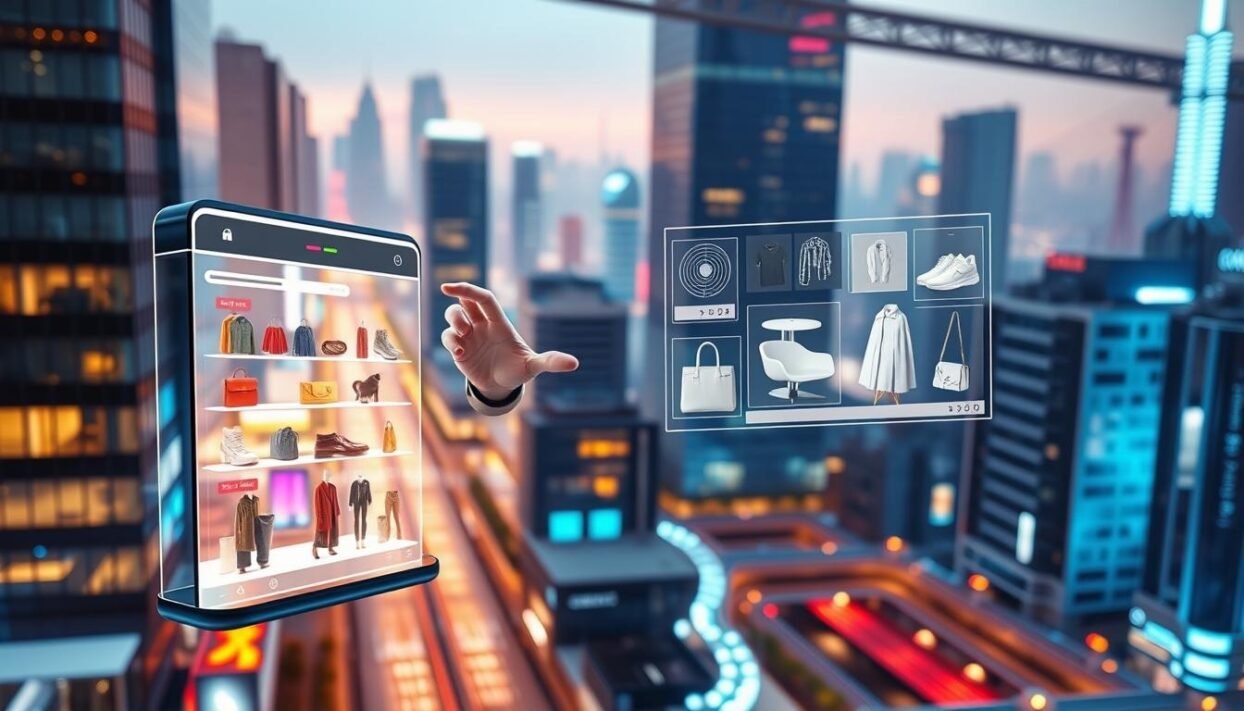
Augmented reality and 3D views let you see items before buying. Big names like IKEA and Warby Parker show how it works. In India, apps and websites are trying similar things to reduce returns in fashion and more.
Virtual try-on in India helps you feel sure about your purchases. It makes shopping more engaging and increases sales for sellers. But, it needs good 3D models and works well on mobiles. It also needs a strong product catalog.
Payments and embedded credit make buying easy and quick. India’s payment scene offers many options like cards, UPI, and BNPL. This helps merchants sell more and manage their money better.
BNPL in India is growing fast, letting people buy now and pay later. This means bigger sales for stores. But, it also needs careful checks to protect buyers and follow rules.
Fulfillment and delivery are getting better with new tech. Robots and automated systems speed up packing. Big names like Flipkart and Amazon India are leading this change.
Now, fast delivery is possible thanks to dark stores and local networks. Services like Swiggy Instamart and BigBasket are making it happen. This means faster delivery and better tracking for you.
But, there are still problems. Small towns lack good delivery systems, and delivery trips can harm the environment. To solve these, we need to invest in better tech and reach more places.
Consumer Behavior, Regulation, and Market Dynamics
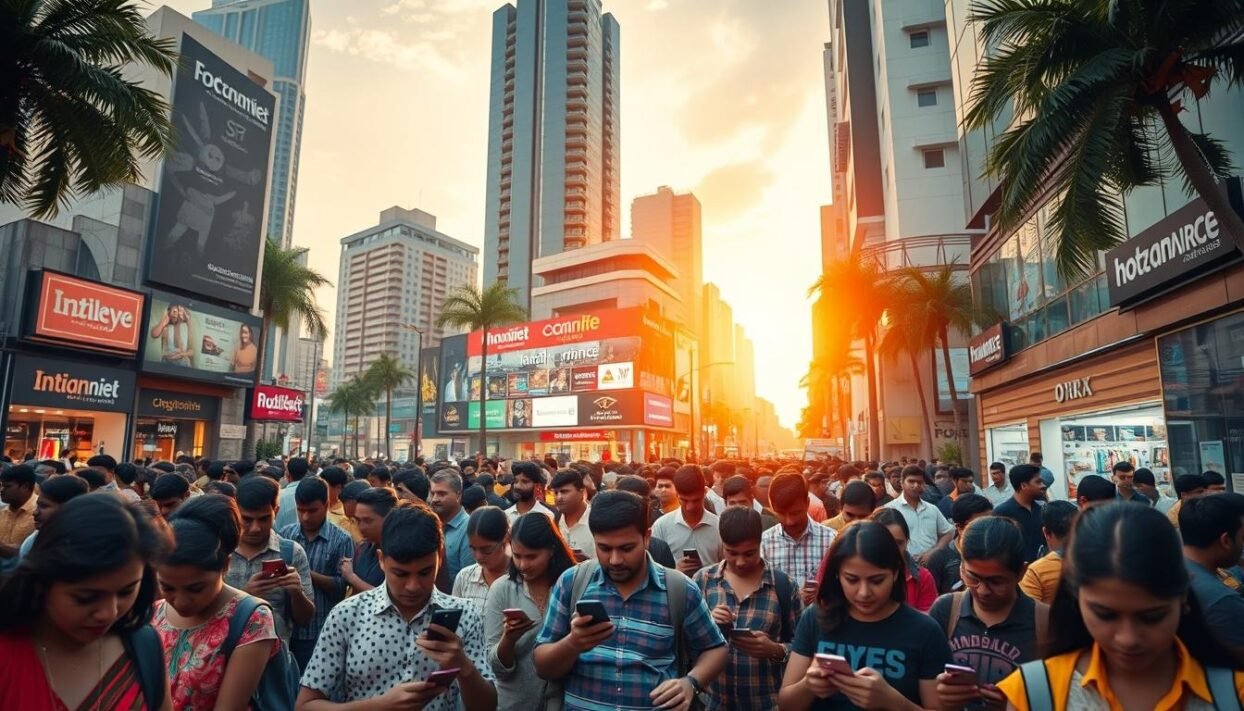
Online shopping in India is changing fast. Young people want quick delivery, easy returns, and support in local languages. They also like features like shoppable videos and influencer tips.
More people in smaller cities and women are shopping more. They look for affordable brands and value-led private labels.
To meet these needs, your store should offer clear delivery times, detailed prices, and support in local languages. Make shopping easy across different channels to build trust and keep customers coming back.
Data privacy and security are now top priorities. India is working on a strong data protection law. The Reserve Bank of India and SEBI are setting rules for payments and digital lending.
Protect customer data with strong encryption and clear consent for marketing. Use multi-factor authentication and follow PCI DSS for payments. Make it easy for users to control their data privacy.
Cyber threats like payment fraud and supply-chain attacks can harm your business. Regular audits, strong vendor checks, and layered defenses help reduce risks and build trust with shoppers.
The Indian e-commerce market is very competitive. Amazon and Flipkart are big, but niche sites and D2C brands are growing. Big companies like Reliance and Tata are using their networks and data to compete.
Platforms and tools from Shopify and Indian companies like Shiprocket and Unicommerce help manage your business. Government programs aim to help small sellers grow online.
But, there are challenges like price competition, platform fees, and counterfeit risks. Focus on customer service, reliable logistics, and data-smart operations to succeed in the competitive market.
Conclusion
The future of e-commerce in India will mix technology and trust. Expect seamless shopping across all platforms, AI for personal touches, and mobile-first apps. Augmented reality, smart payments, and better logistics will also play big roles.
For shoppers, look forward to quicker, more tailored shopping with more payment options. Keep your privacy safe and use buy now, pay later wisely. Sellers and brands, focus on mobile, personal experiences, and modern payments and logistics.
If you’re in policy or investing, focus on digital infrastructure and fintech rules. Help small businesses go digital while keeping customer data safe. Start by checking your mobile, data, and delivery systems to grow smoothly.
To get ready for 2025, start now. Make your site mobile-friendly, use data for personal touches, and improve delivery. This way, you’ll thrive in India’s tech-driven, competitive market.
FAQ
What’s driving the rapid expansion of India’s e-commerce market into 2025?
India’s e-commerce is growing fast because more people have internet and smartphones. The middle class is getting bigger, and digital payments like UPI are becoming popular. Big names like Amazon India and Flipkart are spending a lot on technology and logistics to keep up.
Why is 2025 considered a pivot year for e-commerce in India?
2025 is a big year because AI, fintech, and logistics are getting better. There will be clearer rules about data and how online shops work. This will make shopping faster and more personal.
How will omnichannel experiences change your shopping in 2025?
Omnichannel means shopping online and offline will be easier. You’ll get consistent prices and faster returns. Stores will also have digital experiences. But, sellers face challenges like keeping stock and prices the same across all channels.
How is AI personalization affecting product discovery and support?
AI makes shopping more personal by suggesting products and prices that fit you. You’ll get help in your local language and faster answers from chatbots. Sellers can predict what you’ll buy next, but they must be careful about fairness and privacy.
What does “mobile-first commerce” mean for your shopping experience?
Mobile-first commerce means most shopping happens on phones. You’ll see easy-to-use apps and quick checkout. Apps like Paytm and PhonePe make paying and shopping easy. Sellers need to focus on making apps work well.
How will augmented reality (AR) reduce returns and boost confidence?
AR lets you try on clothes and furniture virtually. This means you’ll be more sure about what you’re buying. But, making good 3D models and making sure they work on all phones is hard.
you join our whatsapp channel
you join our tazatimesnews Telegram Channel
you join our tazatimesnews truthsocial.com Channel
Also reads : Dispelling the myths about degrees: How two-year schools are turning becoming America’s smarter route to success