
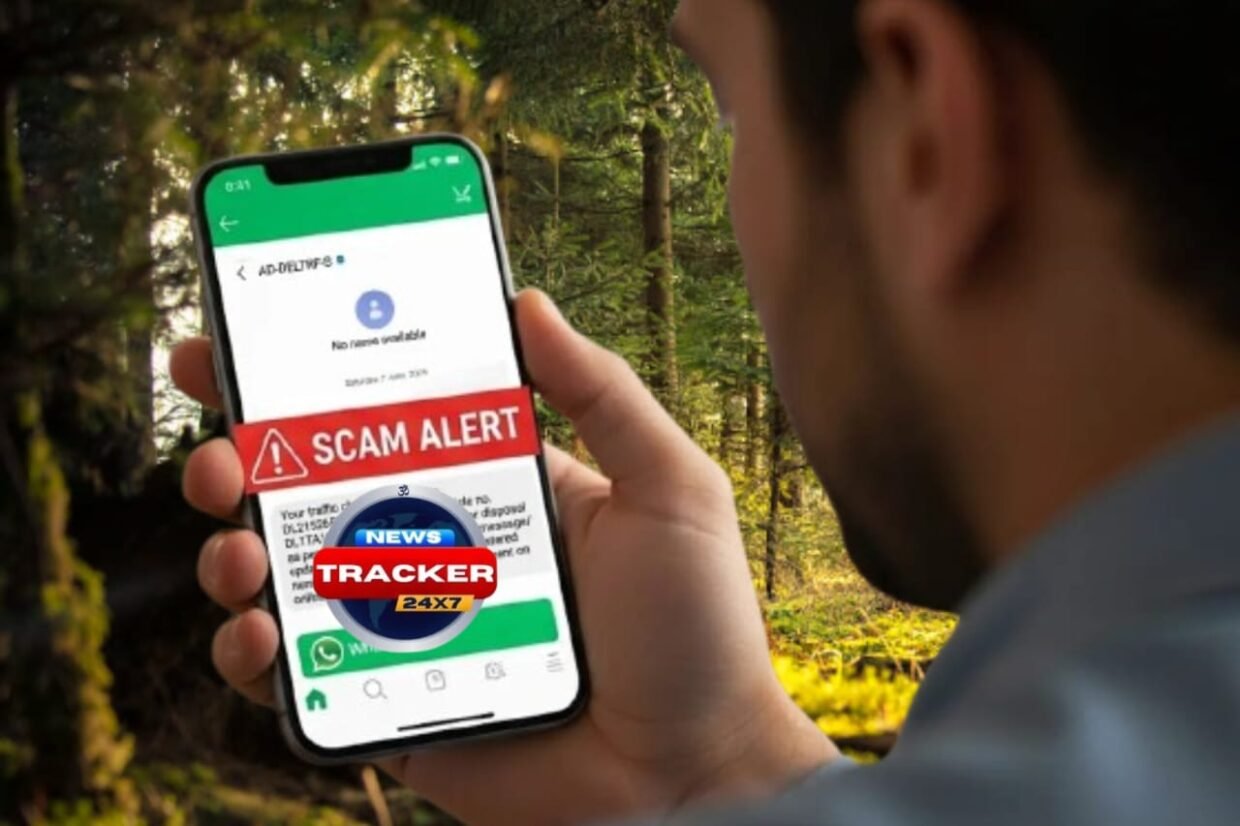
Hey, we both get those unexpected texts about driving penalties that make our hearts skip a beat. These e-challan scammers are cunning, employing bogus notifications to steal our money or information. Let’s keep it simple and safe together.
Spot the Fake Signs Early
Keep an eye out for notices that appear unexpectedly, as if you had never broken any rules. Scammers press you hard with threats of arrest if you don’t pay immediately away, but legitimate ones give you time. Check to see whether the sender appears strange or uses unusual language that do not sound professional.
Smart Steps to Avoid the Trap
Skip opening any links in those surprise texts or emails; they lead straight to danger.
Never share your credit card information, OTP, or personal information with callers claiming to be from a payment service.
Check your actual fines on trusted government websites by typing the address by hand.
You and I keep ahead by avoiding the rush and checking everything calmly. This tiny habit ensures that our wallets remain secure at all times.
Verify before you pay
To view your vehicle’s real dues, visit your state’s traffic website or main portal. Look for secure payment locations with sufficient signage, and verify the vehicle number yourself. If you’re doubtful, call your local traffic office for peace of mind.
Current Cases of E-challan Victims
Real-Life Example 1: Piyush’s Parking Nightmare
Piyush Goel, a busy office worker in Delhi, stopped his car outside a mall one evening after a hard day.
His phone immediately buzzed with a message claiming an e-challan for incorrect parking, complete with his car’s number plate and a fine.
He assumed it was genuine because it arrived so quickly, only minutes after parking, and appeared official with traffic police markings.
Piyush, alarmed by the “pay now or face arrest” message, clicked the link and entered his credit card information to pay the fast fine.
Scammers quickly emptied over ten thousand rupees from his account before he discovered the site was a hoax.
This typical technique exploits our faith in rapid alerts, transforming a simple park into a pricey lesson.
Sahil’s E-challan Trap
Sahil parked his car after a long journey through the city last week. Almost instantly, his phone lit up with a message about a speeding ticket. He was convinced it was genuine because it arrived so shortly after parking.
The Tricky Message
The SMS warned of an urgent violation with his vehicle information and a tiny payment request. It had a police-like insignia and came from an unusual number. Sahil felt compelled to move quickly, assuming cameras had caught him immediately away.
How He Was Caught
In a hurry, Sahil clicked on the link that took him to a website that looked exactly like the official traffic portal. He entered his bank details and a code to complete the transaction quickly. Fraudsters then accessed his account and stole a big sum.

Wake-Up Call
Sahil notified authorities thereafter, but the loss had already occurred. He is now sharing his tale to warn everyone to always check the official government website immediately. Messages received immediately after parking are frequently frauds intended to hurried you.
What to Do When You Spot a Scam
Block the sender immediately and forward the message to authorities without delay. Inform your bank right away to keep an eye out for any suspicious activity on your account. Spread the news among family members so that we may all look out for one another.
Everyone, stay alert. Every day, cybercrime destroys lives, and you never know when it may be your turn. So, constantly endeavor to help others and yourself.