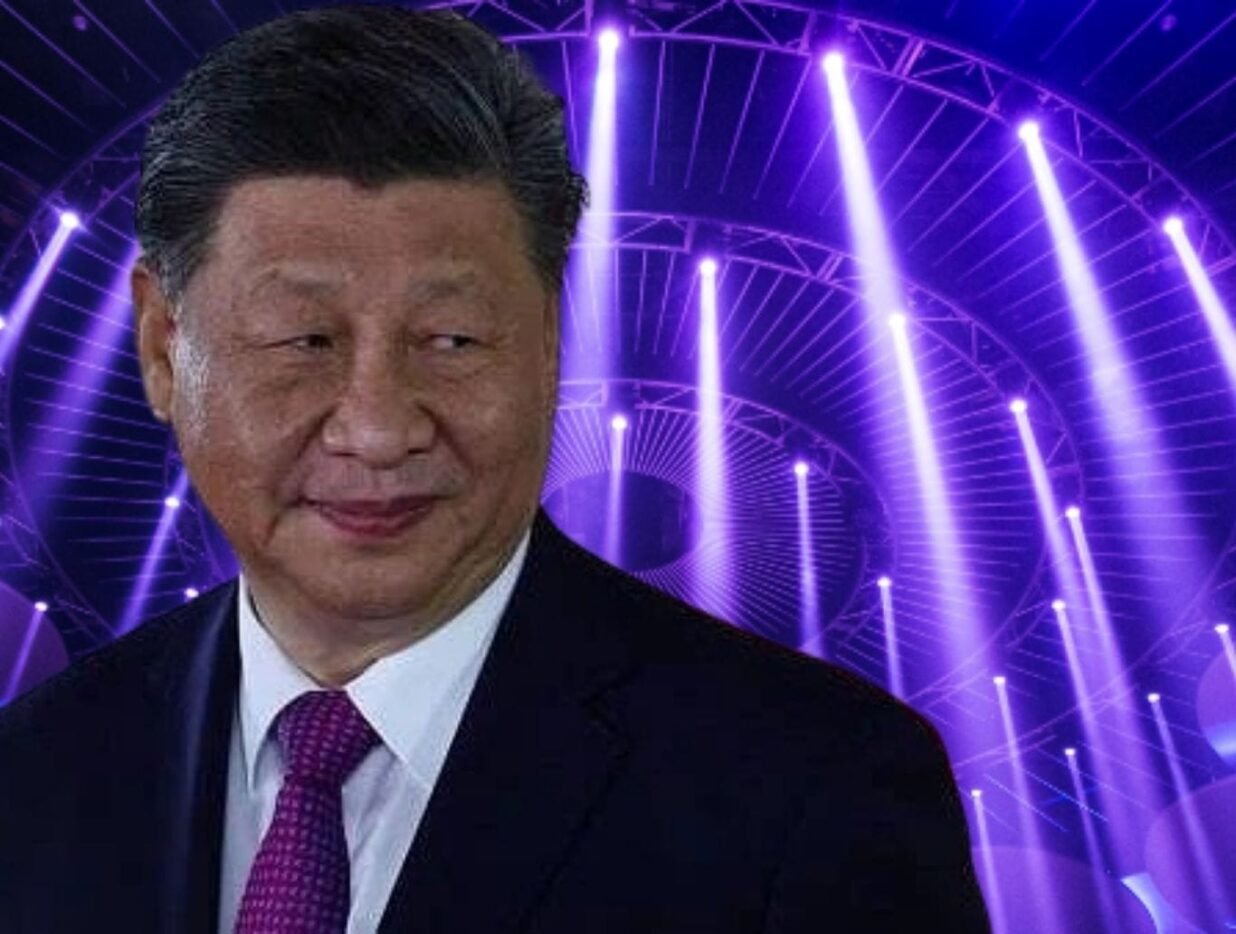
When Xi Jinping ushered in the new year from Beijing, he urged China to keep in mind the legacy of Yan’an, the rural stronghold where Mao Zedong converted revolutionary guerrilla fighters into a disciplined army under his command that would eventually conquer the country.
It could have been a foreshadowing of what was coming. Yan’an was also the site of Mao’s first big “rectification,” a campaign of political terror that removed opponents and solidified his full control over the party. Three weeks after Xi’s speech, China effectively removed the military’s top commander, Gen. Zhang Youxia, who was long regarded as Xi’s confidant.
China : Xi Jinping’s Military Crackdown Aims to Secure Total Loyalty
Xi, like Mao, is attempting a spiritual regeneration of the party and military he controls, which he refers to as perpetual “self revolution.” And, like Mao, that has manifested itself in the relentless cleansing of foes, associates, and, more recently, people within his inner circle. It is a new level of brutality for a leader who has already concentrated power in himself to an extent unprecedented since Mao.
Over the last three years, Xi has effectively removed five of China’s top six generals from the Central Military Commission, which oversees the country’s armed forces. Only two members remain: Xi himself and a vice chair who has overseen Xi’s purges.
“It’s quite astonishing,” said Yue Gang, a retired People’s Liberation Army colonel.
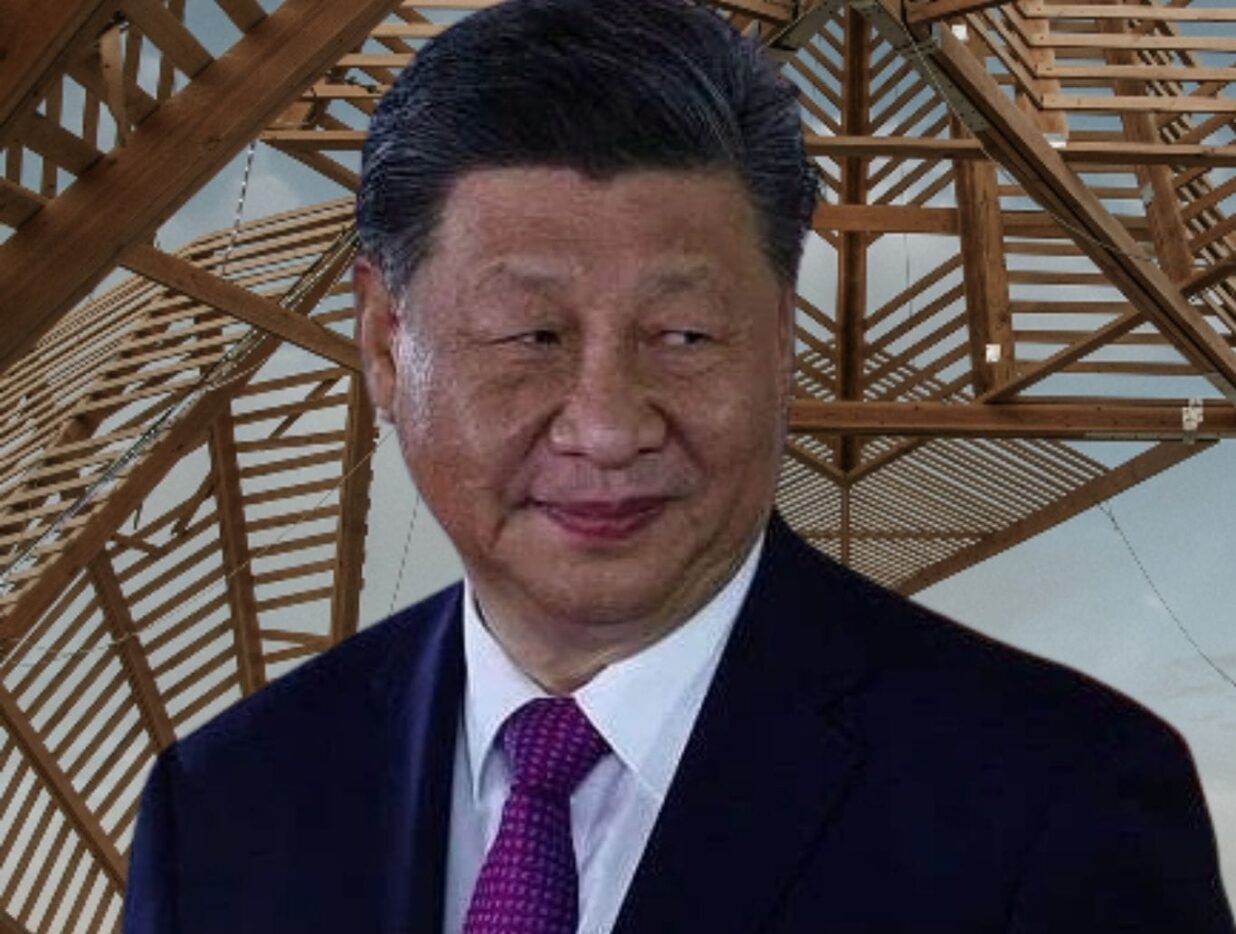
In the weeks since, Chinese officials have provided scant explanation while attempting to convey normalcy. Xi received foreign leaders in Beijing and held a meeting with party officials to discuss policy issues. On Wednesday, he met with military units via video conference to wish them a happy Lunar New Year. Recognising that the previous year had been “very unusual and very extraordinary,” Xi attempted to demonstrate that the rank and file were loyal to him, claiming that the troops were still “completely reliable and trustworthy.”
Also reads : Naveed Akram Speaks Only a best Single Word in Bondi Beach Court Appearance
Online discussion has been limited since social media platforms block search results and comments relating to Zhang.
The few official articles on the matter refer back to the campaign of ideological cleaning originally modelled at Yan’an, implying that Xi’s dominance over the military, a powerful empire inside the party, is at the heart of the removal.
A front-page editorial in the People’s Liberation Army Daily described the inquiry as required hygiene, a process of “uprooting sick trees” and “removing hidden cancer” so that the military may be “reforged and reformed.” Another editorial in the same paper characterised Xi’s leadership as “the source of strength, direction, and future” for the military.
“Mr. Xi believes he needs to build a foundation of absolute ideological unity and personal loyalty for future battles,” writes John Garnaut, founder of Garnaut Global, a geopolitical risk consulting business. He observed that the party’s terminology demonstrated that Xi was drawing on Maoist and Stalinist playbooks that he had learned as the son of a revolutionary warrior in his youth.
Over his 13 years in power, Xi has frequently invoked Yan’an, the Communist Party’s main revolutionary base until 1948, as inspiration for his own cadre purges as well as a tactic to proclaim his own ultimate authority in the party in the Maoist tradition. Following his unprecedented third term as party leader, Xi paid a visit to the city with his top officials.
He and Zhang also travelled to Yan’an in 2024 for a symbolically charged meeting on “political work” in the Chinese military. Xi pushed the senior military leaders, including three other senior generals whom he would subsequently remove, to recall their original revolutionary objective.
During a visit to the historic residences of revolutionary stalwarts such as Mao and Zhou Enlai, he emphasised the party’s “absolute leadership over the military.”Xi Jinping regards that tradition and type of campaign as one of the party’s most valuable assets. Joseph Torigian, a historian of the Chinese Communist Party at American University in Washington, stated that he wants to return to history and employ such methodologies. “He thinks he can do it right.”
“We’ve had this lesson before,” Yue remarked, claiming that Zhang may have attempted but failed to weaken Xi’s control over the military. The “smooth” removal of Zhang, he claimed, demonstrates how “impossible it is to shake the leadership of Xi Jinping.”
“The attempt to weaken the power failed. Instead, it had terrible consequences,” he explained.
Since coming to power in 2012, Xi has led an intensive push to clean up the military, where corruption has been on the increase since market reforms in the 1980s and military spending has skyrocketed. He regards absolute allegiance as critical to one of his primary goals of developing a 21st-century, combat-ready army capable of defending China’s interests, like as its claim to Taiwan.
Instead of quietly retiring Zhang during the next leadership transition in 2027, Xi chose to publicly and loudly disown him.
- Join our whatsapp channel for daily updates.
- Follow tazatimesnews Telegram Channel for latest news alerts.
- Follow TazaTimesNews on TruthSocial for exclusive updates