

Beginning April 1, 2026, India will experience major financial changes. These changes will have an impact on everyday people, salaried workers, and taxpayers. New restrictions apply to the PAN card, income tax, HRA benefits, and digital payments. Understanding these updates is critical for avoiding difficulties and improving planning.
Financial Changes : PAN Rules Become More Strict
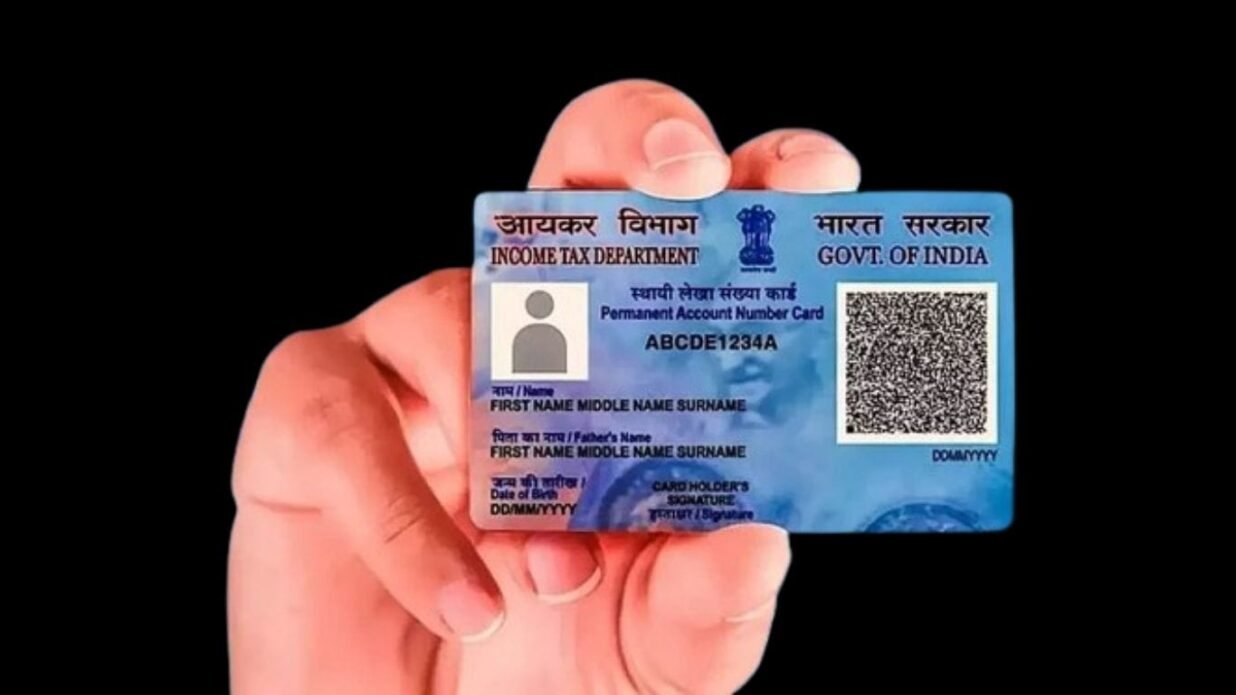
PAN card rules will change effective April 1, 2026. People can no longer apply for PAN just through Aadhaar. They’ll need additional documentation like a birth certificate, voter ID, or passport.
In addition, PAN details must completely match Aadhaar. Applications will be submitted using new forms. The government is also promoting the use of PAN in large transactions such as property, autos, and bank deposits.
HRA Benefits and Tax Rules Updated
The government has changed the income tax laws for the new system. Salaried employees’ HRA (House Rent Allowance) perks have been improved. In large cities, persons can claim up to 50% of their salaries as HRA exemption. In other regions, it remains at 40%.
However, HRA is only possible under the old tax system. New laws also require landlord information to be provided when filing tax returns.
New Income Tax System Starts
The new Income Tax Act will take effect on April 1, 2026. This will replace the previous legislation and make tax regulations easy to grasp. The framework is simpler, and the rules are more obvious.
There will also be stiffer guidelines for reporting income and financial information. This is done to prevent tax evasion and increase transparency.
Also reads : A few weeks before turning 90, Best actor Dharmendra passes away in Mumbai: News Agency IANS
Changes in Credit Card and Digital Payments
New security rules are introduced for digital payments. Two-factor authentication (OTP or PIN) will be compulsory for all online transactions.
This will have an impact on credit card users and internet shoppers. It will increase payment security, although it may take some time.
Petrol and Other Financial Impacts
Indirect changes may also have an impact on fuel and daily expenses. Higher taxes or transaction laws may raise costs in certain sectors. Changes in financial systems may have an impact on spending and saving behaviors.
What It Means for You
These new rules will alter how people manage their money, pay taxes, and access financial services. It is better to update paperwork, verify PAN details, and comprehend tax choices before April 1, 2026.
- you join our whatsapp channel
- you join our tazatimesnews Telegram Channel
- you join our tazatimesnews truthsocial.com Channel