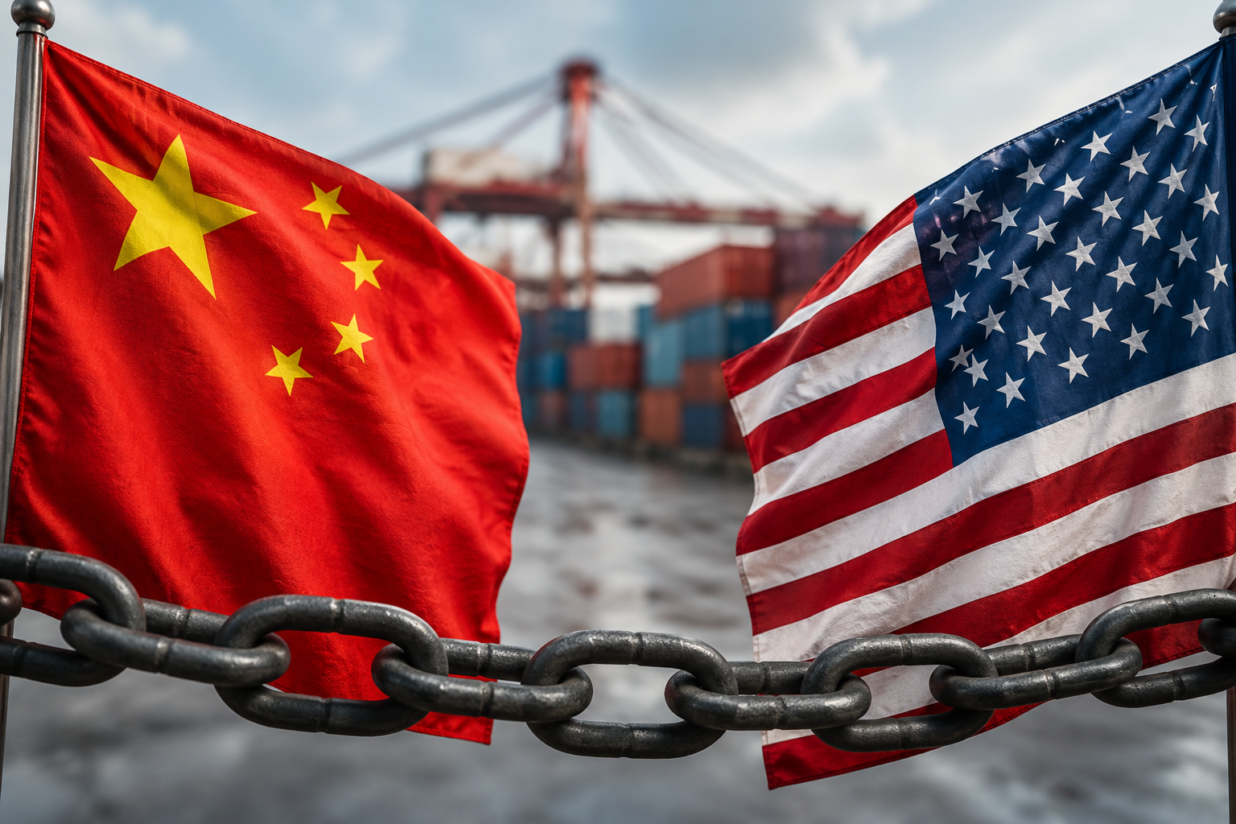
China Forced Labour Allegations: China has fiercely denied new allegations from the United States that enterprises operating in the Xinjiang region engage in forced labor. The issue has exacerbated tensions between the world’s two largest economies, adding to already fragile economic relations.
Beijing denies the charges and accuses them of political motivation. Meanwhile, the United States has tightened restrictions on dozens of Chinese companies under its forced labour policy.
China Forced Labour Allegations: Beijing Rejects New US Claims
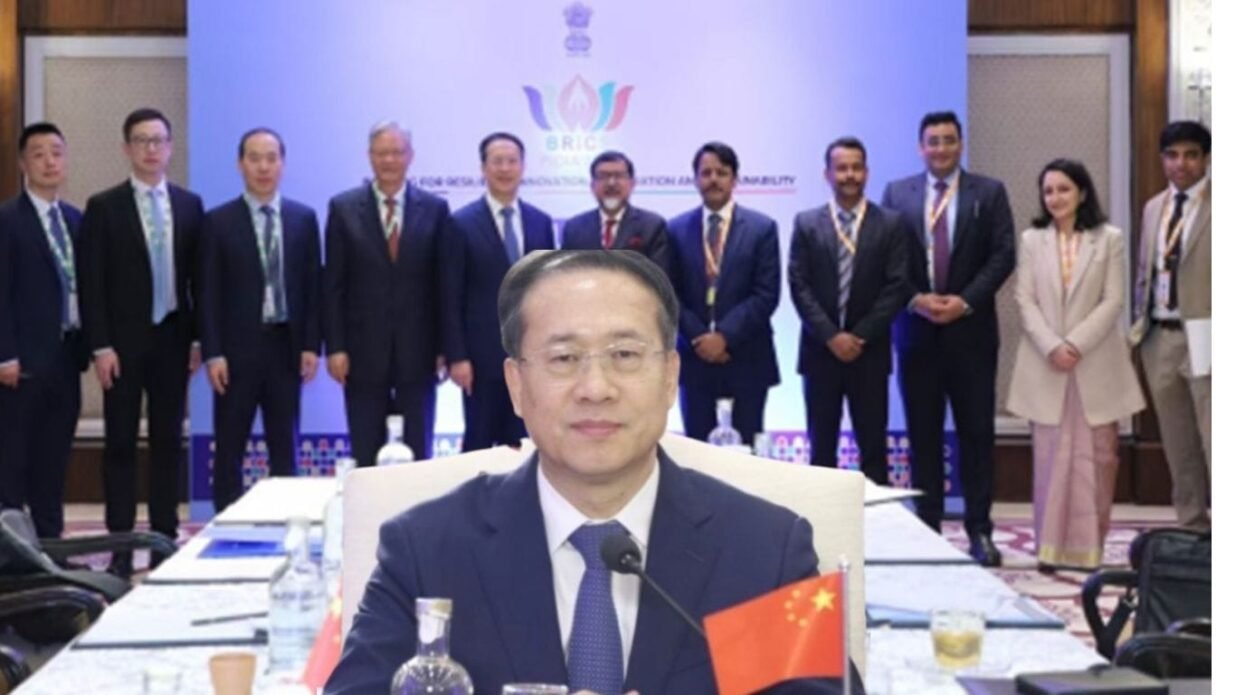
China’s Ministry of Commerce said on Friday that allegations of forced labour in the Xinjiang Uyghur Autonomous Region have no factual basis. The ministry was responding after the United States added 43 more Chinese companies to the Uyghur Forced Labor Prevention Act (UFLPA) Entity List.
The latest move increases the number of companies on the UFLPA list from 144 to 187. Firms included on the list face import restrictions because U.S. authorities believe their products may involve forced labour linked to Uyghur and other minority groups in Xinjiang.
In an official statement, China’s Commerce Ministry referred to the US action as “economic coercion” and accused Washington of deploying unilateral penalties to disrupt normal international trade. The government stated that the restrictions unfairly target Chinese enterprises and disrupt global supply chains.
Chinese officials also reiterated their long-held view that there is no forced work in Xinjiang. According to Beijing, workers in the region have the freedom to pick their jobs, and their legal rights are safeguarded by Chinese law. The ministry also stated that China would take the appropriate steps to protect its enterprises’ legitimate rights and interests.
China Forced Labour Allegations Keep U.S.-China Trade Dispute in Focus
For long years, the disagreement over Xinjiang has been one of the most sensitive problems in China-US relations. The US government claims it is taking steps to prevent commodities produced through forced labour from accessing American markets.
The Uyghur Forced Labor Prevention Act, which came into effect in 2022, assumes that goods made wholly or partly in Xinjiang are connected to forced labour unless importers can prove otherwise. Under the law, U.S. Customs has already blocked more than 24,300 shipments valued at nearly $1 billion.
The newly listed companies operate across several industries, including electronics, food processing, metals, pharmaceuticals, cotton, and lithium production. U.S. officials argue that these firms have direct or indirect links to labour transfer programmes involving Uyghur and other minority communities.
China continues to refute any charges of human rights violations in Xinjiang. The administration claims that Western countries are using the issue to limit China’s economic growth and create trade hurdles. Beijing has frequently urged Washington to lift what it sees as discriminatory restrictions on Chinese companies.
The issue occurs at a time when both governments are already at odds over tariffs, technological regulations, and supply chain security. Analysts fear that ongoing disagreements over Xinjiang could complicate future trade negotiations and increase uncertainty for global corporations that rely on Chinese manufacturing.
Although neither side has suggested an urgent shift in policy, the most recent exchange demonstrates how human rights concerns remain inextricably linked with international trade and global corporate connections. With both governments strongly upholding their views, the issue is set to be a major hurdle in US-China relations in the coming months.
- Join our whatsapp channel for daily updates.
- Follow tazatimesnews Telegram Channel for latest news alerts.
- Follow TazaTimesNews on TruthSocial for exclusive updates