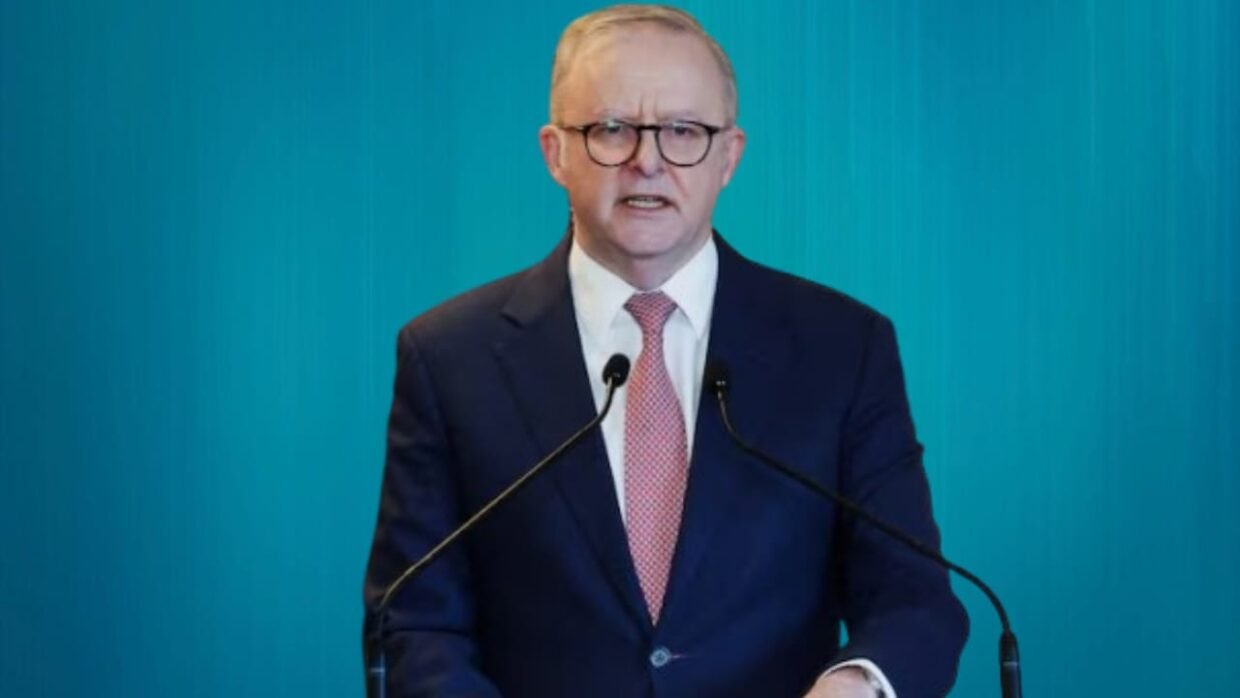
Australia Tariffs : Australia will express its concerns to US President Donald Trump after Washington imposed fresh taxes on Australian products. Prime Minister Anthony Albanese stated that his government would continue to advocate for the reduction of trade barriers while retaining close economic and geopolitical ties with the United States.
The United States’ most recent tariff policy affects imports from 60 trading partners. Australia, like with 37 other nations, will now pay a 12.5% duty on products entering the US market. The new charge replaced the temporary 10% global tariff that had been in effect. The Trump administration stated that the action attempts to prevent products linked to forced labor from entering international supply networks.
Although Australia remains one of America’s closest allies, Canberra says the proposed tariffs unfairly target countries that already have stringent labor and supply chain regulations.
Australia Tariffs: Albanese Vows to Raise Issue with Trump
Prime Minister Anthony Albanese stated that he will personally discuss the tariff issue with President Trump.When asked if tariffs would be discussed in future conversations, Albanese responded, “Absolutely.” He added that Australia would continue to address the issue “at every level” of the Australia-US relationship, adding that authorities had already began diplomatic conversations.
The Australian government claims that the levies are unnecessary since the country already has robust regulations in place to combat modern slavery and unethical labor practices. Albanese stated that the government is reinforcing those laws even further by instituting stricter enforcement and severe fines for enterprises that fail to meet legal standards.
Officials feel that these improvements highlight Australia’s commitment to responsible and transparent commerce. Canberra believes the United States should have acknowledged those achievements before imposing extra import tariffs.
Australia has chosen diplomacy over reprisal. The administration has not announced any counter-tariffs and continues to view negotiations as the best approach to resolve the conflict.
Australia Tariffs: Impact on Trade and Australian Exporters
Trade between Australia and the United States is still a significant aspect of both economies. The two countries have had decades of tight economic cooperation under a free trade pact, making the latest tariff fight more relevant.
Higher import duties may raise the price of Australian products in the US market. As a result, exporters may find it more difficult to compete with suppliers in nations with lower tariffs. Business groups have also cautioned that protracted trade obstacles may erode exporters’ and investors’ confidence if uncertainty continues.
Under Washington’s most recent tariff system, Australia and 37 other countries will be subject to a 12.5% tariff. Another 17 countries incur a 10% duty, while five have different tariff rates based on the things they export.
Albanese has continuously backed what he calls “free and fair trade” with the US. Following Labor’s election victory last year, trade remained a major focus in his earlier meetings with President Trump. The most recent tariff decision is expected to become a major topic in future diplomatic discussions.
Despite their disagreements, both administrations continue to work closely on defense, regional security, and economic issues. Australia has made it plain that it prefers a negotiated solution over an increase in trade tensions. At the same time, Canberra has stated that it will vigorously defend the interests of Australian firms and exporters while continuing conversations with Washington.
- Join our whatsapp channel for daily updates.
- Follow tazatimesnews Telegram Channel for latest news alerts.
- Follow TazaTimesNews on TruthSocial for exclusive updates
- Also reads : Hero Xtreme 160R 4V Combat Edition Uncovers What’s Inside