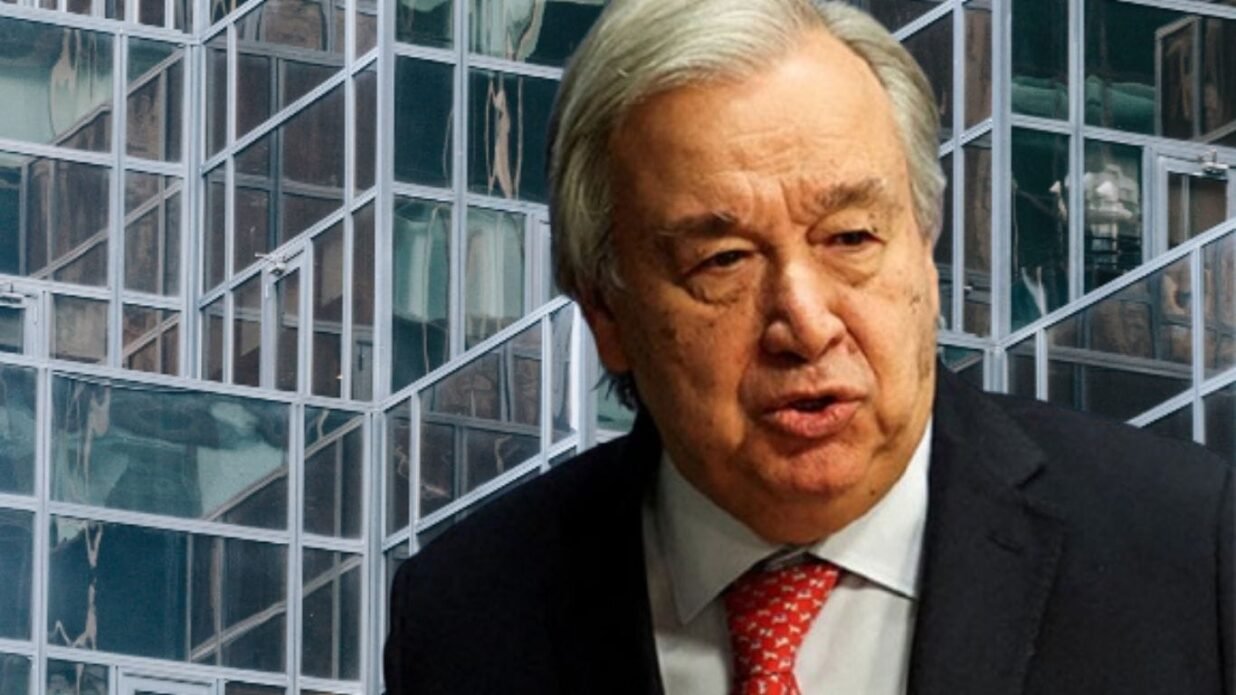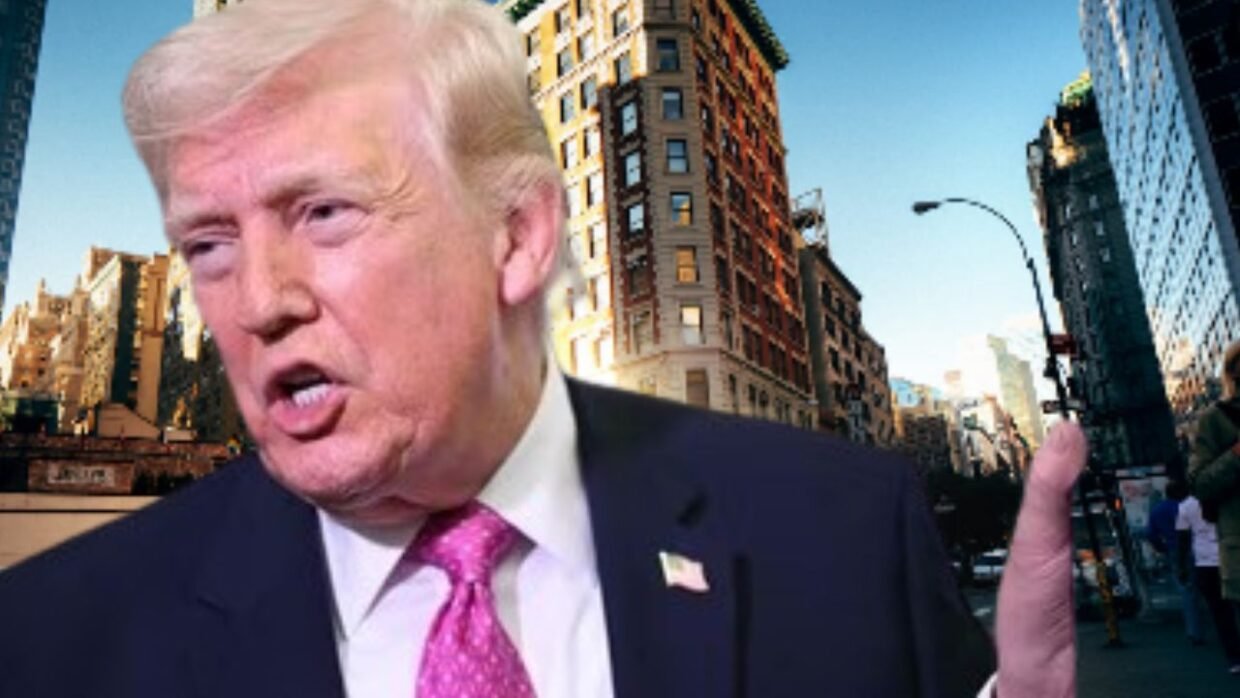
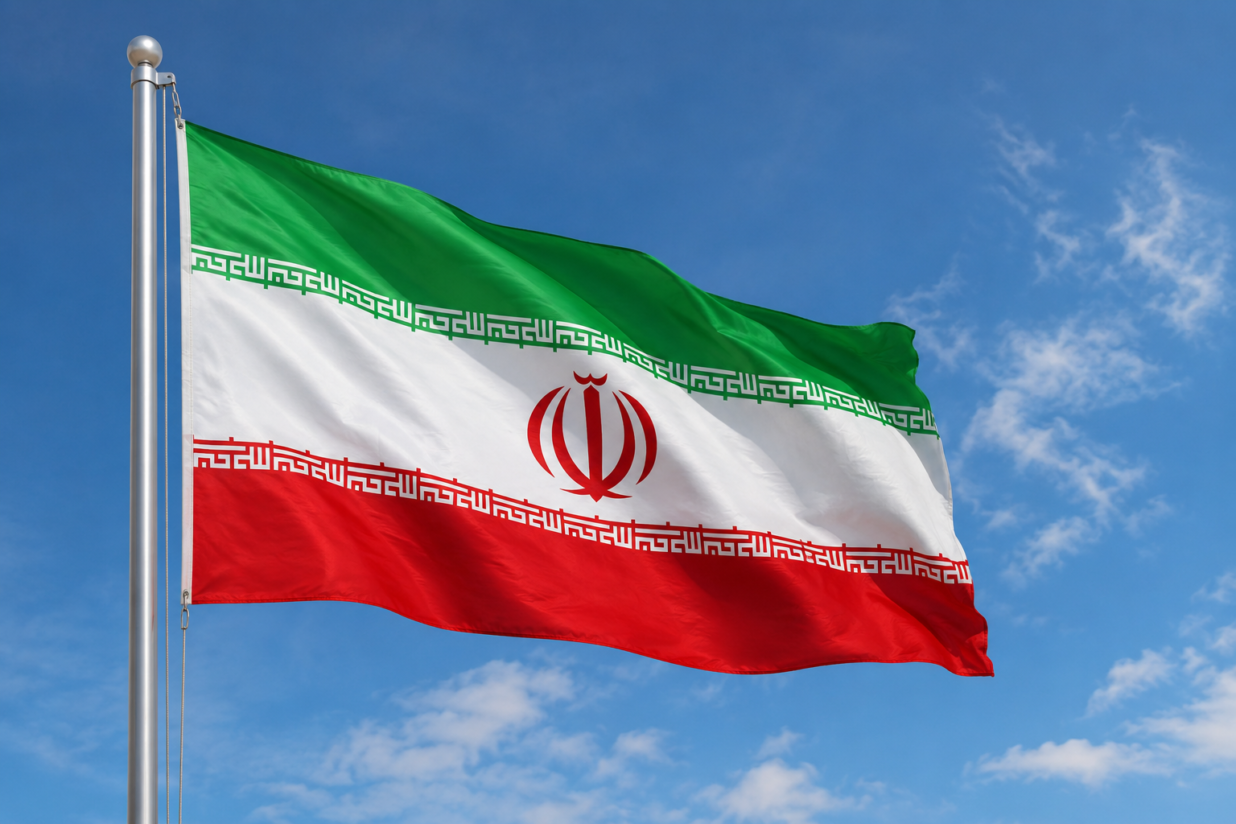
Iran Newspaper : A conservative Iranian daily has gained international notice for releasing an infographic naming 13 foreign political heavyweights as suspected targets for vengeance following the death of Iran’s Supreme Leader, Ayatollah Ali Khamenei. The revelation has heightened fears about regional security, as tensions in the Middle East remain high.
The list was published in Hamshahri, a daily linked with the Tehran municipality known for its hardline editorial views. While the release is not an official government declaration, it has received extensive notice because it features several major world leaders.
Iran Newspaper List Draws Global Attention
According to media reports, the infographic shows 13 political figures from the United States, Israel, and Europe. Those listed apparently include US President Donald Trump, Israeli Prime Minister Benjamin Netanyahu, British Prime Minister Keir Starmer, and a number of other prominent Western figures.
The publishing comes after hardline voices in Iran reiterated their calls for vengeance following Ayatollah Ali Khamenei’s death during this year’s regional battle. Since then, public pronouncements from key figures have kept the spotlight on Iran’s response and the larger regional issue.
Mojtaba Khamenei, who succeeded his father as Iran’s Supreme Leader, has indicated that seeking revenge is still a top national objective. His words have been widely published in Iranian media, raising concerns that regional tensions may remain high despite international calls for caution.
Analysts point out that the newspaper’s graphics should not be taken as an official list of government-approved objectives. However, considering the publication’s political importance and the current global atmosphere, many analysts believe the message is symbolic and diplomatic in nature.
Iran Newspaper Report Highlights Ongoing Middle East Tensions
The publishing comes at a time when diplomatic relations in the Middle East remain strained following previous military clashes between Iran, Israel, and the United States. Governments around the world continue to closely monitor developments, concerned about the risk of further escalation.
According to security experts, provocative speech and symbolic publications can hinder diplomatic efforts even when they do not reflect official government policy. Such changes are frequently monitored because they can influence public sentiment, regional security assessments, and international diplomatic activity.
Several countries have continued to urge all sides to display patience and engage in diplomatic engagement to avoid further turmoil. International observers believe that minimizing aggressive discourse is critical for lowering tensions in an already volatile region.
The uproar over the publishing also emphasizes the significance that media companies can play during times of global turmoil. While newspapers may represent specific political perspectives, their reporting and editorial content can influence public discourse and draw international attention at times of high tension.
As countries continue to follow developments, officials are intently monitoring the situation for any additional reactions or policy responses. The episode has raised concerns that the conflict’s political and diplomatic ramifications may extend well beyond the battlefield.
- Join our whatsapp channel for daily updates.
- Follow tazatimesnews Telegram Channel for latest news alerts.
- Follow TazaTimesNews on TruthSocial for exclusive updates
- Also reads : Goldman Sachs Says Japan Leads Asia’s Buyout Opportunities as Private Equity Activity Grows