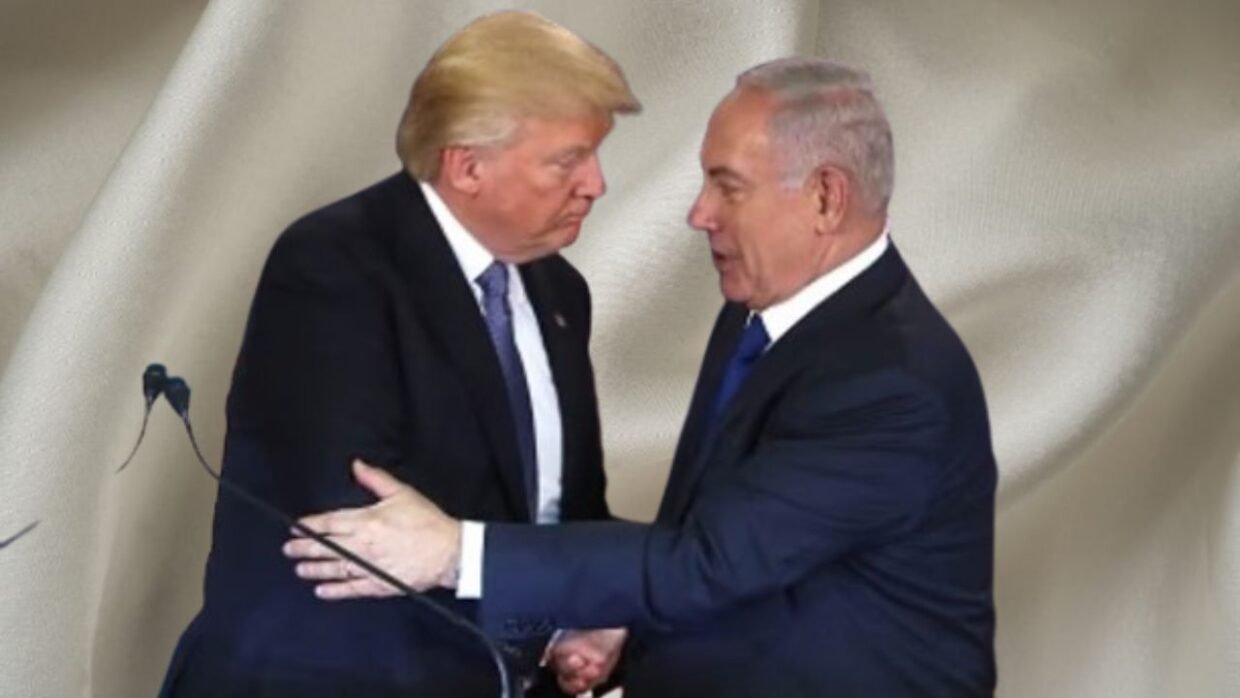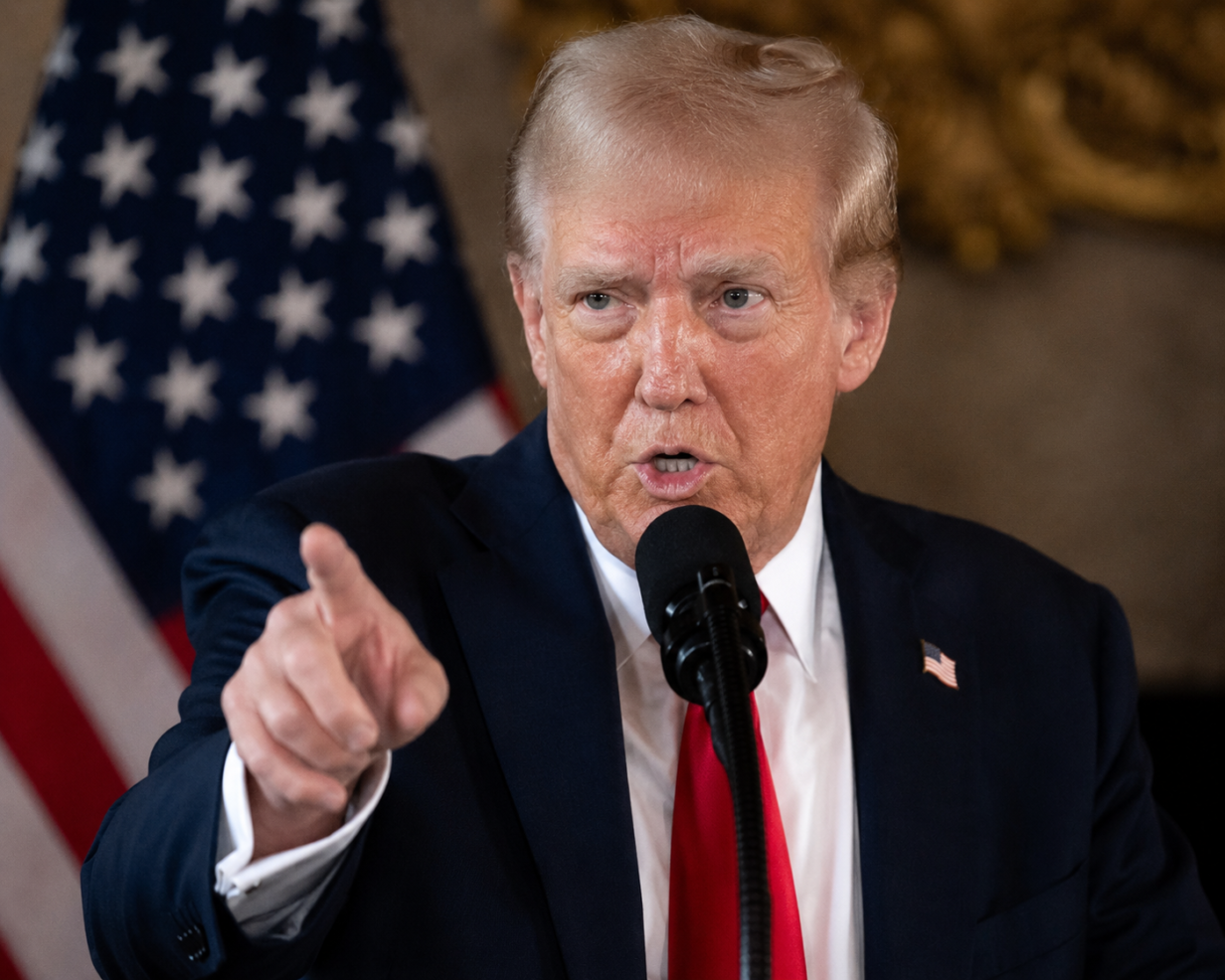
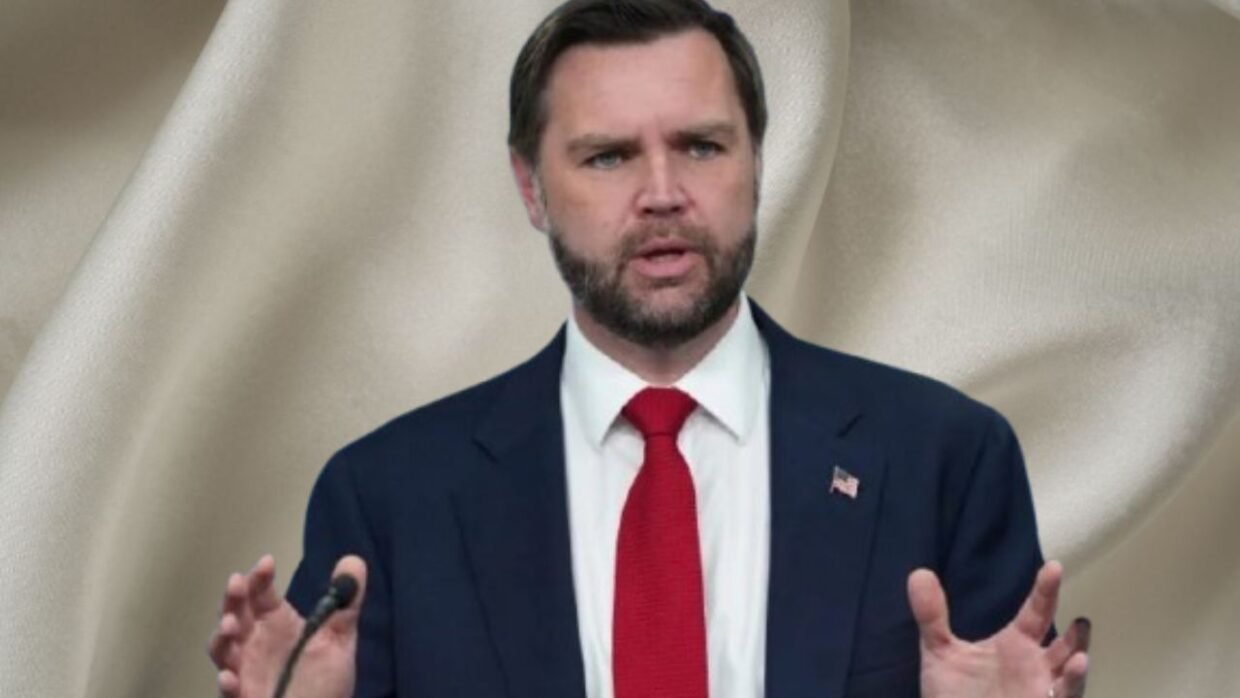
US Iran Talks : The next phase of diplomatic engagement between the United States and Iran has entered an unclear time, with planned meetings in Switzerland appearing to be delayed. While both sides continue to indicate an intention in going forward with discussions aimed at decreasing tensions, scheduling issues and regional concerns have cast doubt on whether formal talks would begin.
According to recent sources, US Vice President JD Vance is scheduled to visit Switzerland for high-level negotiations with Iranian officials. However, American authorities later stressed that Vance had not yet left and that the time of the talks remained unclear. The development has stoked concern about potential roadblocks as both sides seek to capitalize on a tenuous diplomatic breakthrough.
The talks are considered as a vital step in resolving long-standing issues, such as Iran’s nuclear program, sanctions, regional security concerns, and the future of maritime stability in the Gulf region. According to diplomatic sources, preparations are still underway, but the final timetable and participation details are yet unknown.
US Iran Talks Face Delays Amid Diplomatic Challenges
According to those involved with the organizing process, the Switzerland conference was intended to be an early round of direct interaction in response to recent accords aimed at reducing military tensions. The negotiations were intended to bring together negotiators from both countries, with foreign mediators hoping to maintain momentum toward a larger solution.
Despite these hopes, reports suggest that logistical challenges and regional developments may have hampered the schedule. Vice President Vance confirmed that plans were still being developed and that travel arrangements with Iranian officials had not been finalized. Sources also expressed concern about continued tensions in regions of the Middle East, which may be influencing the pace of diplomacy.
Diplomatic observers emphasize that delays do not always signal the end of discussions. Instead, they frequently reflect the complexities of international negotiations involving security, verification procedures, and political obligations. Officials participating in the process continue to express cautious confidence that conversations will finally resume.
The uncertainty comes at a crucial time, as both countries try to turn recent cease-fire agreements into a more long-term foundation for collaboration. International allies have urged both sides to remain engaged and avoid acts that could jeopardize the negotiating process.
US Iran Talks Remain Key to Regional Stability
Supporters of ongoing conversation think that successful agreements can help lessen security dangers in the Middle East while also generating prospects for economic stability. Energy markets have been eagerly watching developments because any long-term agreement might impact shipping activity and trade routes that are related to global oil supplies.
US officials have highlighted that any sanctions removal and expanded cooperation are contingent on Iran achieving particular promises, such as international verification procedures related to its nuclear program. Meanwhile, Iranian leaders have expressed a desire to engage in conversations while remaining committed to their own national interests.
Politicians’ reactions have been divided. Some lawmakers and observers favor the diplomatic effort as a way to reduce confrontation, while others are skeptical that major compromises can be made. The dispute reflects deeper disagreements about how Washington should approach Tehran following years of conflict and mistrust.
For the time being, emphasis is centered on Switzerland, where negotiators are expected to proceed with preparations despite the apparent delay. Whether the discussions begin soon or require further planning, the outcome could affect the future of US-Iran ties and influence stability in a region that remains critical to global politics and energy security.
- Join our whatsapp channel for daily updates.
- Follow tazatimesnews Telegram Channel for latest news alerts.
- Follow TazaTimesNews on TruthSocial for exclusive updates
- Also reads : Sara Tendulkar Stuns in Simple Salwar Suit Look Without Makeup in Viral Video