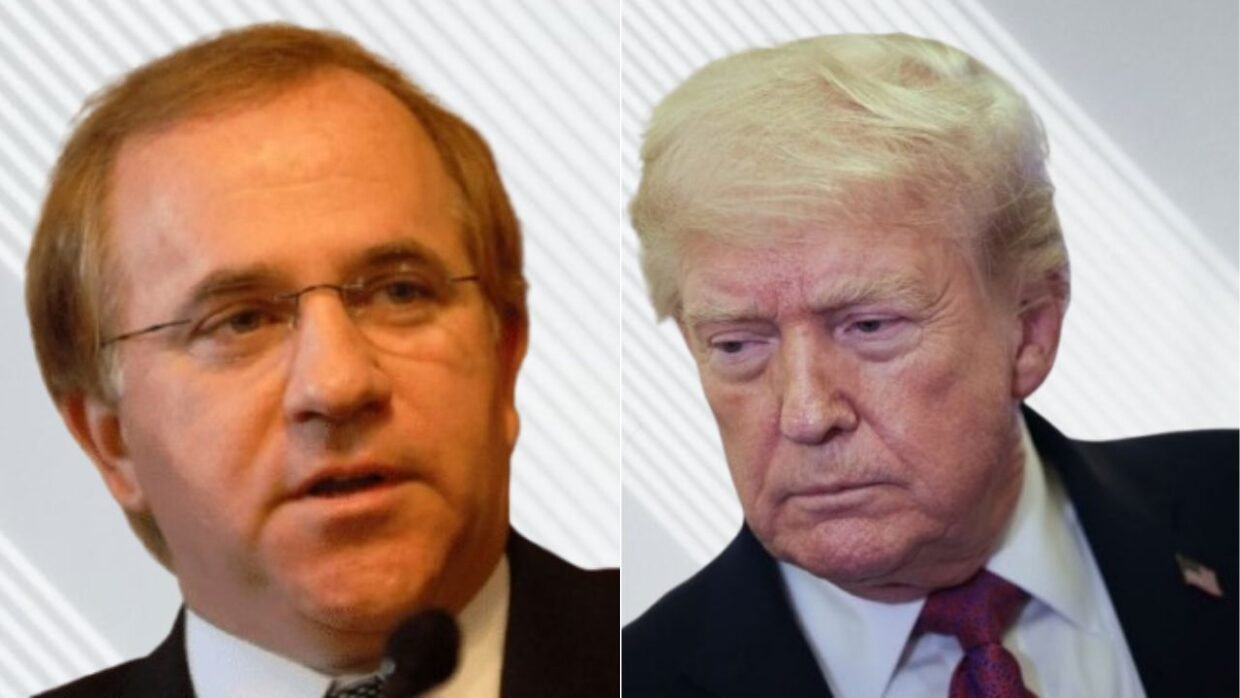
Former Congressman Stephen Buyer has been pardoned by US President Donald Trump, ending a high-profile insider trading case that resulted in the former lawmaker’s prison sentence. While supporters of the decision saw it as a show of presidential kindness, detractors fear that it will revive worries about accountability in financial crime cases.
The White House confirmed that President Trump signed the pardon for Buyer, a former Republican member of Congress from Indiana. Buyer had been sentenced to 22 months in federal prison after being found guilty of insider trading crimes.
Federal prosecutors accused Buyer of utilizing confidential business information gathered while working as a consultant after leaving Congress. Authorities claimed that he bought shares in firms based on non-public intelligence about important corporate transactions, allowing him to profit when the deals were public.
Buyer denied culpability throughout the judicial procedures, claiming that his investing actions were legitimate. Despite these reasons, a federal jury found him guilty, resulting in a prison sentence and widespread public attention to the case.
Stephen Buyer Pardon Draws National Attention
Stephen Buyer served in the United States House of Representatives for over two decades before leaving in 2011. Throughout his legislative career, he represented Indiana and worked on a variety of national policy topics, including military and veterans affairs.
The insider trading case focused on actions that occurred in 2018. Prosecutors claim Buyer utilized information related to a planned merger of telecoms companies before it was officially revealed. According to court findings, the transactions resulted in financial profits, which became part of the government’s case against him.
Trump’s pardon removes the legal implications of the conviction. The US Constitution gives presidents considerable authority to issue pardons for federal offenses. Such procedures can remove fines associated with convictions, but they can not alter the underlying court verdict.
The most recent pardon has gained notice since it involves a white-collar felony rather than a usual political infraction. Legal experts point out that presidential clemency powers have traditionally been employed in a wide range of situations, frequently sparking discussion over fairness and justice.
Stephen Buyer Pardon Adds to Clemency Discussions
The judgment comes amid broader debates over the usage of presidential pardons during Trump’s second term. Several people convicted of financial and political crimes have been granted mercy in recent months, raising new questions about how pardons are determined.
Supporters of the pardon argue that mercy exists to handle cases in which the president deems the sentence was disproportionate or when the circumstances warrant relief. Critics argue that pardons for financial malfeasance may undermine public trust in the enforcement of securities laws and market regulations.
Insider trading is still one of the most widely observed financial crimes in the United States, as it includes the exploitation of confidential information to obtain an unfair advantage in the stock market. Regulators and prosecutors continue to underline the necessity of providing equitable access to market information to all investors.
As lawmakers, legal experts, and market observers react, Stephen Buyer’s pardon is likely to stay part of the continuing national debate about presidential authority, financial accountability, and the balance between justice and executive clemency.
- Join our whatsapp channel for daily updates.
- Follow tazatimesnews Telegram Channel for latest news alerts.
- Follow TazaTimesNews on TruthSocial for exclusive updates
- Also reads : Oil Price Surge as US-Iran Tensions Disrupt Strait of Hormuz