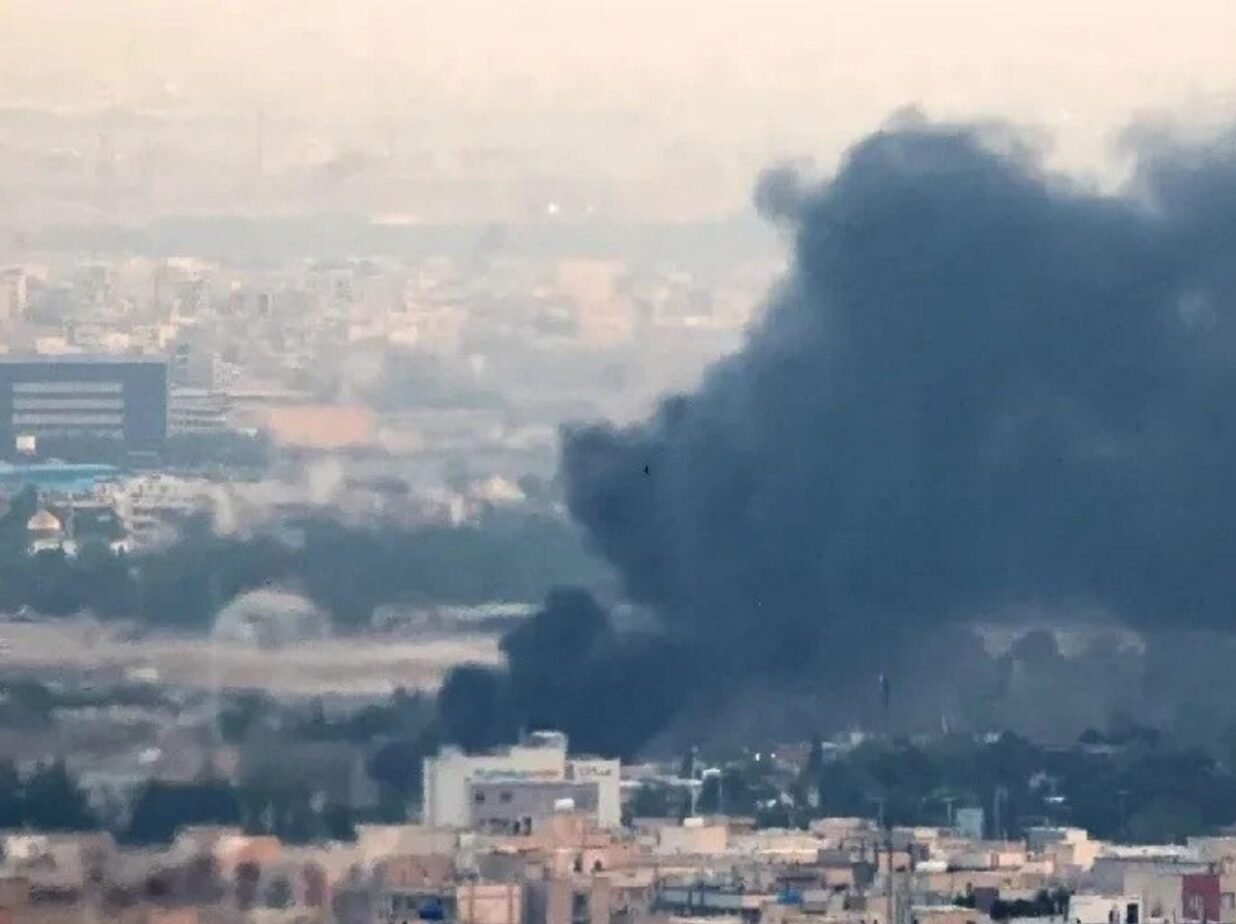
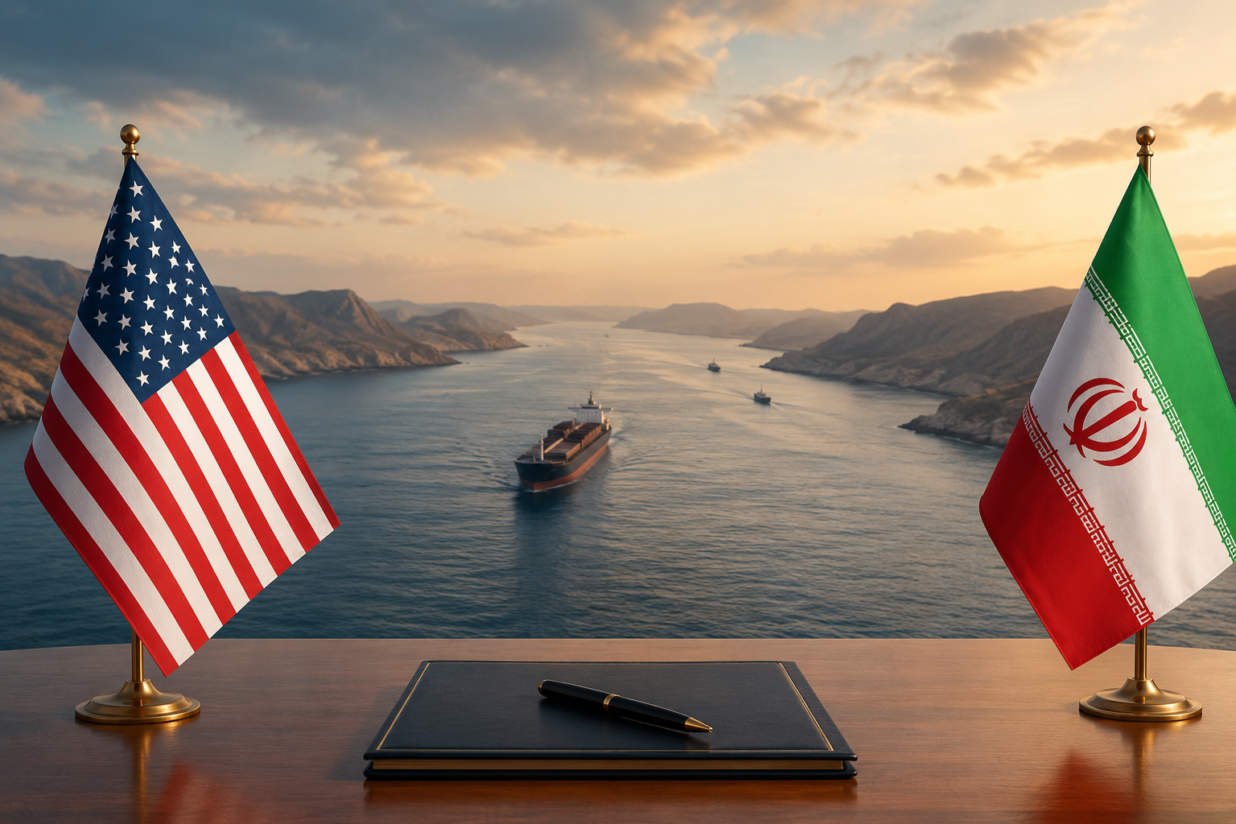
Iran Peace Deal : Diplomatic efforts between the United States and Iran appear to be progressing, raising the prospect of a possible compromise to reduce Middle Eastern tensions. However, Iranian authorities have stated unequivocally that they will measure progress based on tangible actions rather than public comments, emphasizing the remaining obstacles to a final agreement.
Senior US officials have recently stated that negotiations are nearing a critical juncture, with American leaders signaling that a peace agreement may be within reach. U.S. President Donald Trump said a decision on the suggested arrangement might be made soon, and members of his administration voiced hope that ongoing talks would lead to a larger understanding between the two parties.
Despite these signs, Iran responded carefully. Iranian officials emphasized that popular optimism is insufficient and that substantial steps must be taken before Tehran considers any breakthrough to be legitimate. Officials highlighted that measures on sanctions, security assurances, and other promises will have greater weight than political discourse.
The talks come after months of conflict and diplomatic turmoil, which have impacted regional stability and global energy markets. One of the most contentious concerns is the future of the Strait of Hormuz, a critical shipping route through which a major amount of the world’s oil supply flows. Washington has requested free access to the waterway, whilst Iran has contended that decisions about the strait should involve regional parties.
Iran Peace Deal, Negotiations Continue Despite Key Differences
While sources indicate that both sides have explored potential frameworks for a compromise, a number of fundamental disputes remain outstanding. The US continues to insist that Iran never acquire nuclear weapons, while Tehran claims that some American demands are beyond the scope of the current negotiations.
According to sources familiar with the negotiations, potential options under consideration include economic alleviation and efforts to reduce regional tensions. However, neither side has publicly declared a final deal, and negotiators are still working out thorny issues that have stalled prior diplomatic efforts.
The discussions have sparked international interest because a successful agreement may help to stabilize energy markets, boost regional security, and lessen the likelihood of further military conflict. Global investors have been keenly monitoring developments, with oil prices responding to indications of progress in negotiations.
Iran Peace Deal, Regional Impact Could Be Significant
According to analysts, the conclusion of the negotiations might have far-reaching consequences for political and economic conditions outside the Middle East. A long-term agreement might help restore confidence in regional trade channels, reduce geopolitical concerns, and stimulate more diplomatic engagement among competing states.
At the same time, scepticism persists on both sides. Some authorities in Washington continue to advocate for a harder approach toward Tehran, despite Iranian leaders’ repeated statements that they will not accept terms that they believe undermine national sovereignty. The opposing viewpoints indicate that even if progress is achieved, attaining a final agreement may necessitate more rounds of negotiations.
For the time being, the diplomatic process is still functioning. While US officials speak of an impending agreement, Iran’s message is that only real actions will determine whether the new peace attempts are successful. The coming days are considered to be critical in determining if the current momentum can be translated into a formal agreement.
- Join our whatsapp channel for daily updates.
- Follow tazatimesnews Telegram Channel for latest news alerts.
- Follow TazaTimesNews on TruthSocial for exclusive updates
- Also reads : 10 methods to manage high blood pressure without medication.