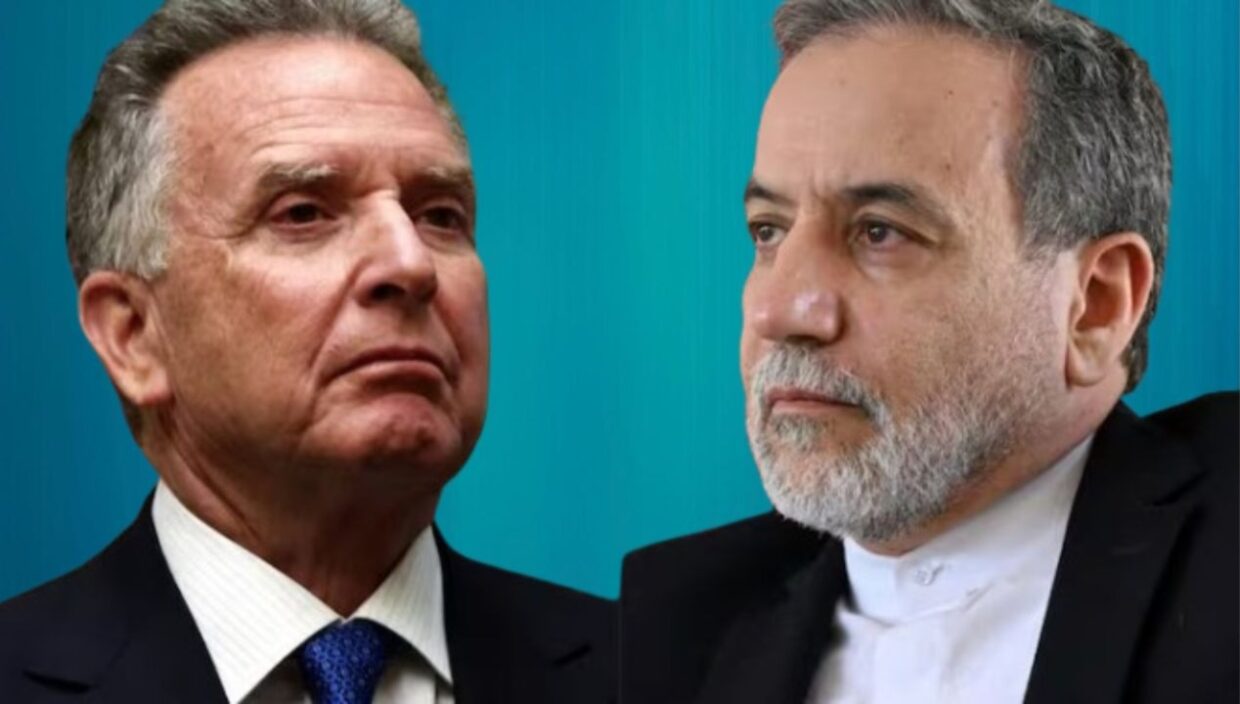

Strait of Hormuz :U.S. President Donald Trump has stated that a potential diplomatic agreement with Iran is now “largely negotiated,” raising expectations of relieving months of Middle Eastern tensions. However, conflicts over the Strait of Hormuz continue to cause instability in global markets and energy supply.
The Strait of Hormuz is one of the world’s most significant oil shipping routes, and disruptions there have impacted worldwide trade, fuel prices, and regional security since the war between Iran, the United States, and Israel erupted earlier this year. Trump stated that the pending agreement might reopen the waterway and relieve pressure on global energy markets.
Iran Peace Deal Shows Diplomatic Progress
According to reports, negotiations are taking place through Pakistani mediation, with representatives from several countries participating in conversations aimed at resolving the crisis. Trump stated the proposed memorandum of understanding as nearly finalized, though several key terms are still being debated.
According to reports, one of the essential components of the potential accord is Iran’s reduction or elimination of its highly enriched uranium stockpile. In exchange, conversations have explored potential sanctions relief and broader economic initiatives to assist stabilize the area.
Pakistan has taken an active diplomatic role in recent weeks, hosting talks and encouraging both parties to continue negotiations. Pakistan’s Prime Minister Shehbaz Sharif hailed international efforts to prevent further military escalation in the area.
Despite the optimistic indications, Iranian media agencies have doubted Trump’s promises about reopening the Strait of Hormuz. Iranian authorities continue to insist on preserving control of the critical route and obtaining sanctions and regional security guarantees before signing any final agreement.
Strait of Hormuz Tensions Keep Global Markets Nervous
The ongoing uncertainty surrounding the Strait of Hormuz is a major concern for the global economy. Nearly a fifth of the world’s oil supply typically goes through the small waterway, making it critical for energy-importing countries in Asia, Europe, and beyond.
Shipping business in the region has already been impacted by the conflict, with some countries collaborating directly with Iran to allow limited transit across the strait. According to reports, many oil tankers have started transit in recent days, while traffic levels remain below typical.
Financial analysts believe that a successful agreement might lower oil costs and ease global inflation pressures. However, experts warn that the situation remains delicate because neither party has formally ratified the final terms.
Further negotiations are scheduled after the Eid vacation, and world observers will be watching to see if both governments can progress from exploratory conversations to a formal peace accord that delivers long-term stability to the Middle East.
- Join our whatsapp channel for daily updates.
- Follow tazatimesnews Telegram Channel for latest news alerts.
- Follow TazaTimesNews on TruthSocial for exclusive updates
- Also reads : UAE President Receives Diplomatic Call From Qatar Emir