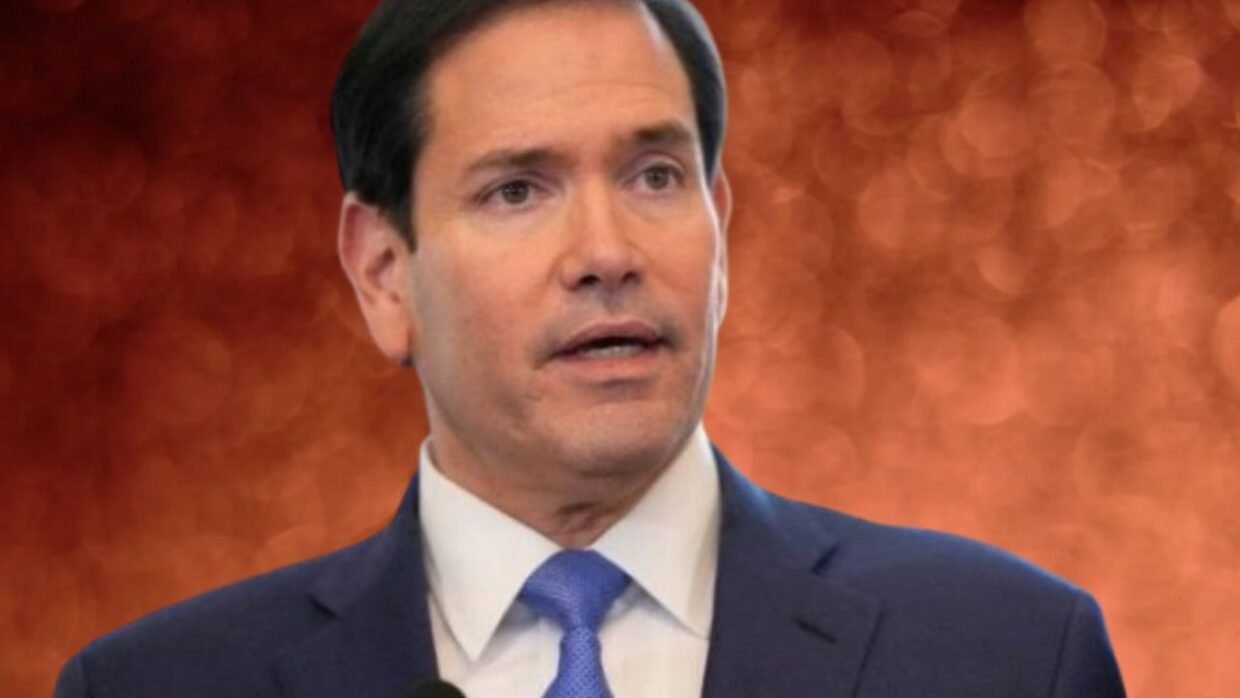
US Iran Negotiation Update: As tensions in the Middle East remain high, the US has encouraged Iran to return to talks and “accept reality”. US Secretary of State Marco Rubio stated that Washington is open to diplomacy, but wants Tehran to take clear moves toward substantive talks.
Rubio told reporters that Iran must approach the negotiating table with seriousness. He stated that the US is now attempting to determine what topics Iran is willing to talk, implying that back-channel attempts are occurring despite the tense circumstances.
US Iran Negotiation Push Faces Challenges and Uncertainty
Rubio made it plain that diplomacy is the preferred option, but warned Iran not to postpone talks or skirt crucial topics. He stated that the US wanted clarity on Iran’s priorities before proceeding with formal conversations.
According to recent accounts, communication between the two sides has been indirect, with mediators serving as a common conduit. Talks began in 2026 with the assistance of nations like as Oman, but progress has been slow because to strong differences over Iran’s nuclear program and regional operations.
According to Rubio, Washington is closely monitoring Iran’s position. He stated that comprehending Tehran’s demands is required to establish a framework for future conversations. However, he hinted that the United States will not compromise on essential concerns, particularly those relating to security and nuclear development.
At the same time, conditions on the ground remain tense. The United States has been active in efforts to protect important maritime routes in the region, particularly the Strait of Hormuz, which is critical to world oil supplies. Ongoing instability has put further pressure on both parties to find a diplomatic settlement.
Iran Must Accept Reality in US Iran Negotiation Talks
Rubio’s message was clear: Iran must acknowledge the current situation and respond appropriately. He stated that postponing negotiations or imposing unrealistic conditions will exacerbate the issue.
The US believes that real talks can only occur if Iran is willing to engage on significant issues, including its nuclear activities. Previous conversations have been difficult because both sides have clear positions—Washington demands stringent boundaries, while Tehran insists on its rights and sovereignty.
Despite the hurdles, Rubio stated that diplomatic efforts are continue. US officials are apparently looking for common ground and potential areas of agreement. This includes determining what Iran is willing to negotiate and what compromises, if any, might be considered.
The broader context makes these initiatives more urgent. The violence and tensions of 2026 have already had an impact on global trade, energy prices, and regional stability. Disruptions in critical waterways have affected thousands of ships and sailors, underscoring the worldwide importance of the situation.
Analysts believe that while both sides are under pressure, neither wants a prolonged battle. This narrows the window for diplomacy, but success will be determined by trust, timing, and political will.
For the time being, the United States remains committed to negotiations while keeping other alternatives open. Rubio’s remark is a combination of warning and willingness, proposing discourse while demanding action.
- Join our whatsapp channel for daily updates.
- Follow tazatimesnews Telegram Channel for latest news alerts.
- Follow TazaTimesNews on TruthSocial for exclusive updates
- Also reads : Trump Iran Conflict : Trump Says Iran Conflict Nearing End, Claims Tehran Eager for Deal