
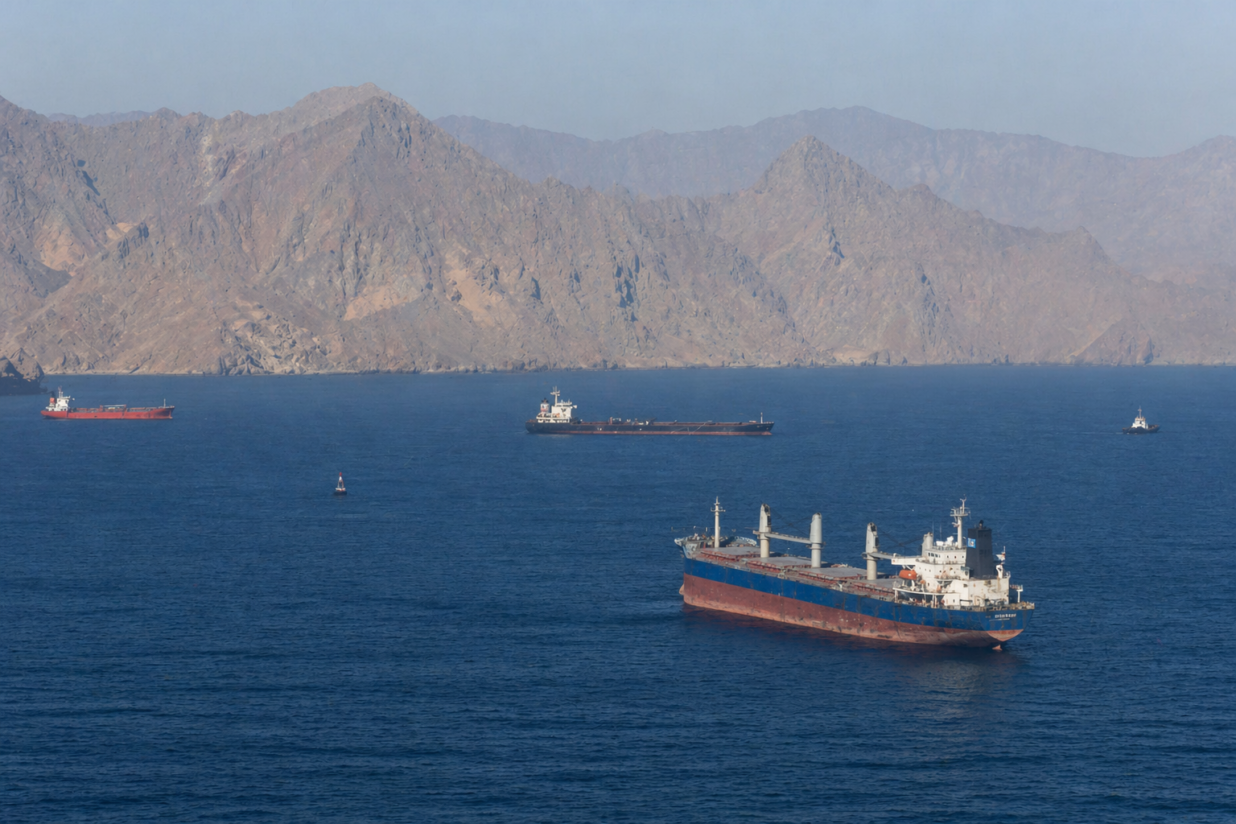
Strait of Hormuz Closure : Despite a shaky ceasefire, the Pentagon has reportedly told the US Congress that removing naval mines purportedly placed by the Iranian military might take up to six months. This is a major obstacle to regional stability.
This timeframe has caused “frustration” among both Democratic and Republican legislators, according to a House Armed Services Committee briefing described by three officials to The Washington Post. Important “concerns” that energy prices would remain high even in the event of a more comprehensive peace agreement are raised by the delay.
Brent crude futures have already crossed the USD 100 mark, trading at USD 101.76 a barrel, demonstrating the economic impact of the maritime standoff. In a similar vein, West Texas Intermediate futures were valued at USD 92.82.
Rising tensions in the Middle East have sparked new fears in global markets. A fresh warning implies that if the situation escalates, the Strait of Hormuz, one of the world’s most crucial oil lines, may be closed for months. This has the potential to drive up oil prices and severely disrupt global supply chains.
Strait of Hormuz Closure: Mine Threat May Delay Reopening
US defense authorities estimate that removing sea mines in the Strait of Hormuz might take up to six months. As a result, any disturbance in the area may take longer to resolve. The small river transports over a fifth of the world’s oil supply, making it a vital global lifeline.
Sea mines are difficult to find and remove. Even modern naval forces require time and accuracy to navigate them safely. Experts believe that if mines are put in significant quantities, ships may avoid the passage entirely, causing major shipping delays.
This warning comes as oil prices are already climbing. Markets are concerned that a prolonged closure will limit supplies and raise global fuel prices. Countries that rely on imported oil may experience increased inflation and economic pressures.
Global Impact: Oil Prices Rise, Trade Routes Under Pressure
A prolonged closure of the Strait of Hormuz will harm not only oil but also global trade. Tankers and cargo ships may need to travel greater distances, raising transportation costs. This could lead to higher prices for ordinary items.
To mitigate danger, some governments are considering alternative routes and запас reserves. Strategic oil reserves and alternative shipping routes may help to mitigate the damage in the short run.
On the negative side, the world economy remains heavily reliant on this single route. A prolonged outage might stifle economic development and raise market volatility.
Experts believe that, while a complete shutdown lasting months is the worst-case scenario, even a partial outage can cause significant problems. The situation now hinges on how tensions unfold in the following weeks.
In simple words, the Strait of Hormuz remains a key pressure point. If blocked for long, the world may face both an energy crisis and rising costs—but strong planning could reduce the impact.
- Join our whatsapp channel for daily updates.
- Follow tazatimesnews Telegram Channel for latest news alerts.
- Follow TazaTimesNews on TruthSocial for exclusive updates
- Also reads : Oil Price Surge as US-Iran Tensions Disrupt Strait of Hormuz