
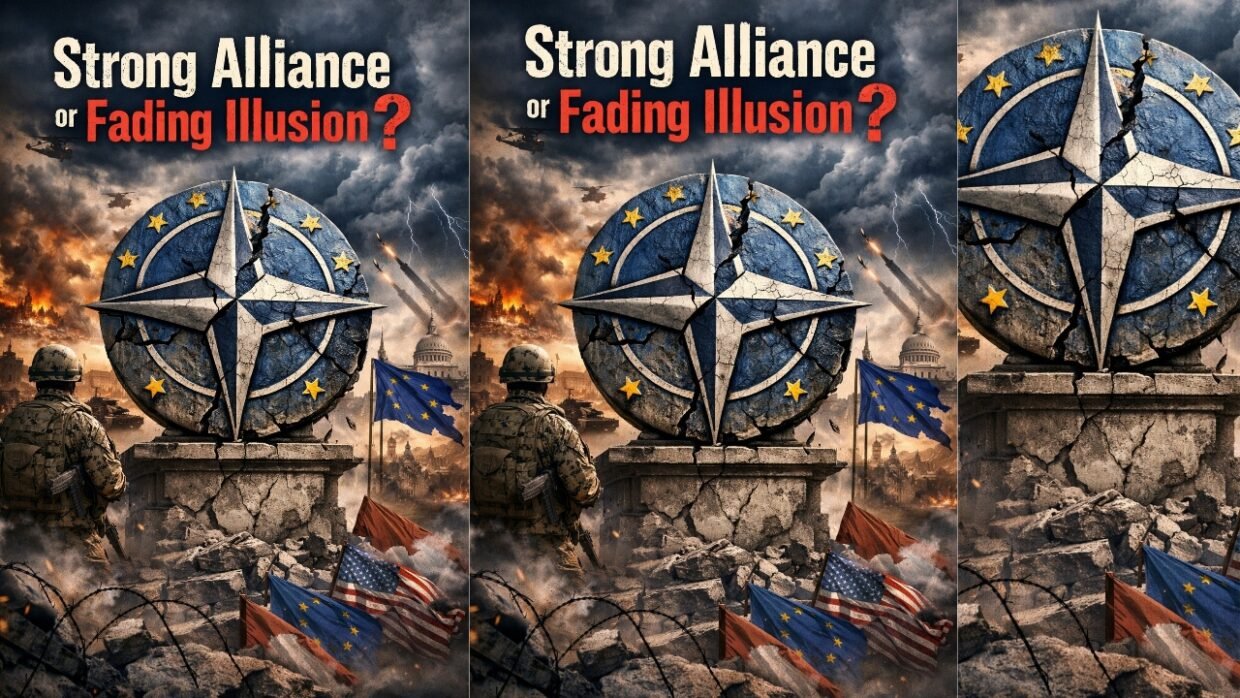
NATO is at the center of a new global discussion as concerns about its true strength and future mission emerge. Many experts now believe that the image of a cohesive and powerful alliance is fading in today’s rapidly changing globe.
The discussion takes place at a time when global wars, economic stress, and political divisions are on the rise. These considerations place a greater strain on NATO’s unity and effectiveness than ever before.
NATO illusion fading fast as global tensions expose deep cracks in alliance
Critics believe that NATO’s strong image is based on impression rather than fact. The current war in Ukraine has exposed gaps in member nations’ policy, budget, and long-term aspirations.
High energy costs and defense spending are putting strain on several European countries’ economies. At the same time, reliance on foreign powers for security has generated questions about independence.
Experts believe that, while NATO remains a major military alliance, internal disputes are becoming increasingly obvious. This raises questions about how really cohesive the bloc is during emergencies.
Also reads : Trump Delays Hormuz Action as War Fear Hits Wall Street Hard
Strong military bloc but rising doubts over unity and long-term strategy
Despite criticism, NATO maintains considerable military force and worldwide influence. It continues to support Ukraine and maintains a presence in strategic areas.
However, problems concerning burden-sharing among members continue to arise. Some countries invest more in defense, while others rely significantly on alliances. This disparity has been a longstanding issue throughout the partnership.
Political developments in NATO member countries have an impact on the organization’s orientation. Different leadership priorities might impede collaboration and decision-making.
Europe faces economic strain as security priorities increase
The war has caused many European countries to enhance their defense budgets. This has increased the pressure on already struggling economies.
High energy prices and altering trade patterns are also harming sectors. Some commentators argue that these issues are weakening Europe’s economic power and increasing reliance on external partners.
The combination of economic and security problems complicates the position for NATO members.
Future warning: NATO must adapt or risk losing global relevance
Experts warn that NATO requires reforms to remain relevant in a changing world. Without unity and a clear strategy, its influence could dwindle further.
At the same time, supporters believe that if members collaborate, the alliance can continue to adapt and grow.
The debate reveals both positive strengths and dangerous risks. NATO’s destiny will be determined by how it manages internal divisions and global problems in the years ahead.
- Join our whatsapp channel for daily updates.
- Follow tazatimesnews Telegram Channel for latest news alerts.
- Follow TazaTimesNews on TruthSocial for exclusive updates