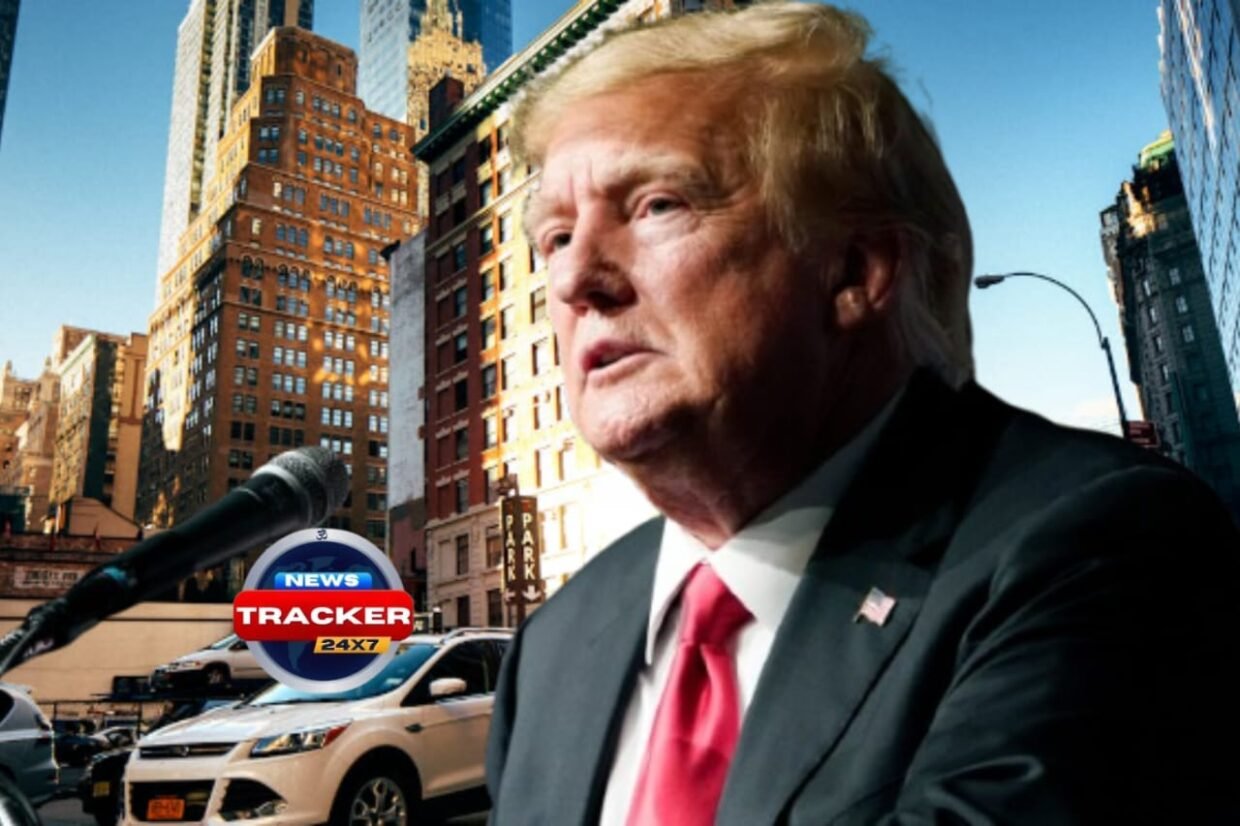
Washington, DC [US]: Despite the Supreme Court’s decision to invalidate reciprocal tariffs, US President Donald Trump has stated that India will continue to pay the 18 percent tariffs.
The United States and India signed an interim trade agreement in which Washington reduced tariffs from 50% to 18%. New Delhi, on the other hand, has decided to levy zero tariffs on US imports.
However, the Supreme Court found 6-3 that Trump’s broad tariffs on goods from nearly all partner countries violated federal law.
Donald Trump stated
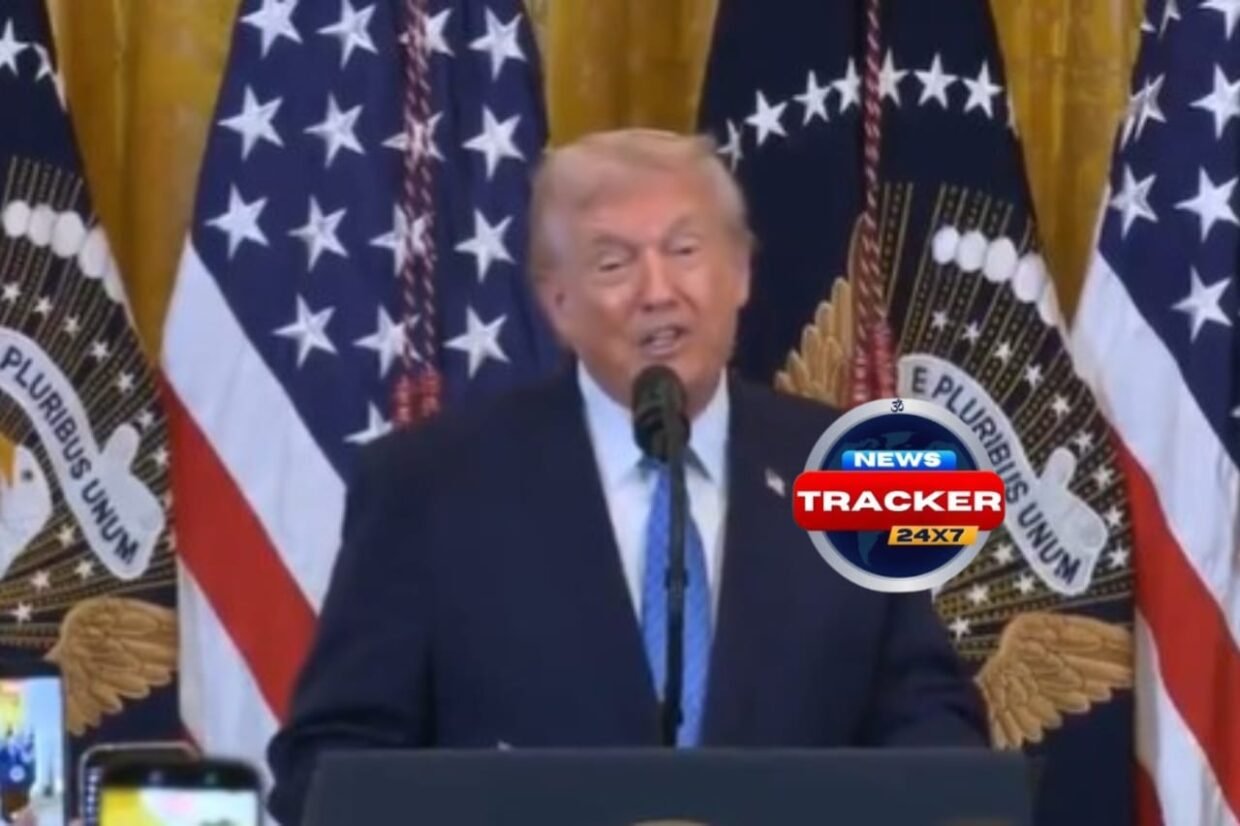
Trump, who termed the Supreme Court’s decision “deeply disappointing,” said “nothing changes” when asked about the ruling’s implications on the India-US trade deal. The contract is scheduled to be inked by the end of March.Nothing is changing. They will pay tariffs, but we will not. This is a reversal of the previous situation. PM Modi is a wonderful leader and a great individual. He was far smarter than those he was opposing. He was ripping off the United States. So we reached an agreement with India. This is a good deal right now. We do not pay tariffs to them, although they do. “We did a little flip,” Trump stated.
Also reads : US President Trump Says Iran Has Up to 15 Days to Agree on Nuclear Deal or Face Fallout
The United States and India have agreed a framework for an Interim Agreement on reciprocal, mutually beneficial trade, confirming their commitment to the larger Bilateral Trade Agreement (BTA) signed by President Donald Trump and Prime Minister Narendra Modi on February 13, 2025.
As part of the framework, India has agreed to eliminate or reduce tariffs on all US industrial goods, as well as a wide range of US agricultural and food products such as dried distillers’ grains (DDGs), red sorghum for animal feed, tree nuts, fresh and processed fruit, soybean oil, wine and spirits, and other items.
The United States, on the other hand, will impose an 18% reciprocal tax on Indian-made commodities like as textiles and apparel, leather and footwear, plastic and rubber products, organic chemicals, home décor, artisanal goods, and some machinery.
However, the US Supreme Court ruled that the President lacked the jurisdiction under the 1977 International Emergency Economic Powers Act (IEEPA) to impose significant import taxes on practically all US trading partners’ goods.
The decision is expected to have far-reaching implications for global trade, businesses, consumers, inflation patterns, and household budgets throughout the country.
- Join our whatsapp channel for daily updates.
- Follow tazatimesnews Telegram Channel for latest news alerts.
- Follow TazaTimesNews on TruthSocial for exclusive updates