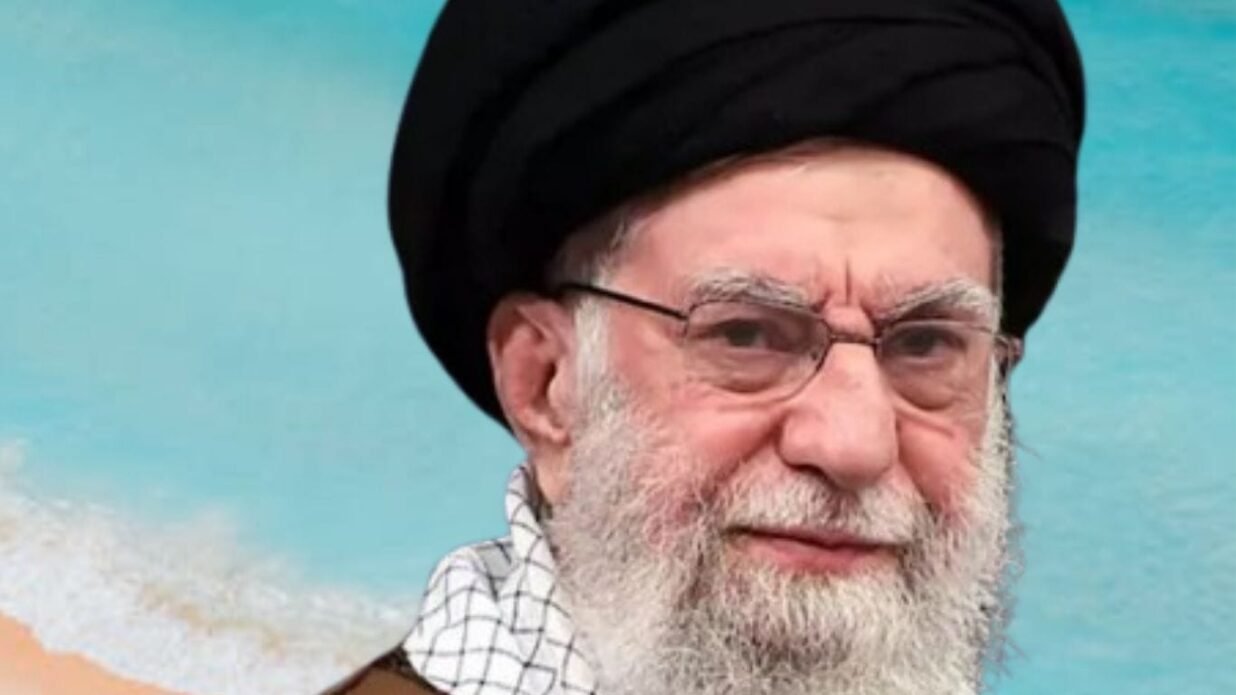
Amid US President Donald Trump’s fresh message to Tehran over its nuclear program, Secretary of State Marco Rubio addressed the topic of who would take over Iran’s leadership if the supreme leader, Ayatollah Ali Khamenei, were ousted.
Marco Rubio on Iran’s Leadership After Possible Regime Change
Addressing the Senate committee, Rubio admitted that imposing regime change in Iran would be far more difficult than it was in Venezuela, when the US forced President Nicolas Maduro’s removal.
“This is not a frozen dish that you can microwave for two and a half minutes and be ready to eat. These are complicated issues,” Rubio said, adding that “no one knows” who would take over if Iran’s supreme leader were ousted from power.
“I don’t think anyone can give you a simple answer to what happens next in Iran if the Supreme Leader and the regime were to fall,” he told you.
Rubio’s comments came after Trump raised tensions with Iran, sending a repeated and harsh warning to Tehran over its nuclear program and threatening military action if talks fail to yield an accord. In response to Trump’s threats, Iran has stated that its forces will respond to any US military operation promptly and with force.
Rubio also responded to Tehran’s warning, saying that the US could “if necessary, preemptively prevent the attack against thousands of American servicemen and other facilities in the region and our allies,” but hoped “it wouldn’t come to that.”
US-Iran Tensions
Trump claimed on Wednesday that a sizable US naval force, referred to as a “massive armada” and headed by the aircraft carrier USS Abraham Lincoln, was approaching Iran in a post on the social media site Truth Social. He urged Tehran to come to a deal that would prevent the development of nuclear weapons and stressed the need for Iran to return to the negotiating table.
Also reads : Donald Trump Targets Minnesota Governor Walz Over Cooperation on Immigration
Trump added, “Hopefully Iran will quickly ‘Come to the Table’ and negotiate a fair and equitable deal – NO NUCLEAR WEAPONS,” cautioning that “time is running out” and that the next attack “will be far worse” than previous strikes if Iran does not cooperate.
The president’s most recent remark emphasized that military action remains an option if diplomacy fails, and it comes against the backdrop of rising regional tensions and diverse viewpoints on diplomacy and defense. His tougher language also reflects a shift in US discourse, which formerly focused exclusively on Iranian human rights issues.

Tehran has endured international condemnation in recent months for cracking down on internal rallies, but White House rhetoric increasingly emphasizes the nuclear problem as a top strategic priority.
Iran’s leadership dismissed the idea that discussions could continue in the face of military threats. According to official media, Iranian Foreign Minister Seyed Abbas Araghchi stated, “There can be no negotiations in an atmosphere of threats,” and called Washington’s pressure tactics futile and unhelpful.
The Iranian reaction reportedly included warnings of harsh retaliation in the event of US military action. Some Iranian officials characterized any attack as the beginning of a larger confrontation, with possible retaliation targeting US interests and regional partners.
As of present, neither party has signaled a desire to retreat from its position. Washington continues to urge for a deal to end Iran’s nuclear ambitions, while Tehran asserts its right to peaceful nuclear operations and demands that conversations take place without threats.
In June 2025, American forces struck multiple Iranian nuclear facilities in conjunction with Israel, claiming that the action greatly hampered Tehran’s nuclear capability.
- Join our whatsapp channel for daily updates.
- Follow tazatimesnews Telegram Channel for latest news alerts.
- Follow TazaTimesNews on TruthSocial for exclusive updates
- Also reads : Ursula von der Leyen Links India’s Growth to Global Stability Ahead of Mega Trade Agreement