Taliban : Pakistan experienced its bloodiest year of violence in a decade, with gunfights, airstrikes, and suicide bombers dominating much of 2025 as tensions with neighboring Afghanistan deteriorated.
According to the most recent data from the South Asian Terrorism Portal, the number of people killed by insurgent strikes has risen to 3,967, the highest since 2015. In the year ending December 27, at least 1,070 violent incidents ranging from bomb blasts to gun fights killed citizens, troops, and terrorists. The report does not break down assaults by organization, but officials and analysts have consistently identified the Tehreek-i-Taliban Pakistan, which is allied with the Taliban in Afghanistan, as a major driver of the increase in violence.
Pakistan accuses the Taliban-led government in Kabul
Pakistan accuses the Taliban-led government in Kabul of harboring and supporting the Tehreek-i-Taliban Pakistan, or TTP, which it claims is responsible for a series of high-profile attacks this year, including a suicide bombing that killed seven Pakistani soldiers at a military compound in North Waziristan in the fall. Days later, Kabul accused Islamabad of carrying out airstrikes in northeastern Afghanistan, killing many civilians, which Pakistan denied.
The Afghan Taliban has denied Pakistan’s assertions that it hides TTP commanders, claiming that it has prohibited Afghans from leaving the country to fight overseas. Its spokesperson stated in early November that the TTP arose in response to the Pakistani military’s assistance for the US war and drone operations in tribal areas since 2002.
The Taliban Ministry of Foreign Affairs did not return inquiries for comment.

Turkey and Qatar attempted to arrange discussions between the two sides in late November, but the efforts failed within weeks, and border confrontations continued into December.
Relations between the two parties have gradually deteriorated since the Taliban reclaimed control in Afghanistan in 2021, following the withdrawal of US-led forces. Islamabad had supported the takeover, hoping that a sympathetic administration in Kabul would assist control TTP terrorists in Pakistan. Instead, the TTP got empowered and expanded its insurgency across tribal territories.
“The Afghan Taliban has categorically stated that they do not consider the TTP terrorists,” said Rashid Ahmad Khan, an international relations expert based in Lahore. “I don’t foresee an early solution to this very complex issue.”
United States in Afghanistan
The TTP’s campaign has developed over time. The group’s original goal was to punish Pakistan for supporting the US-led invasion of Afghanistan in 2001, but now it wants to overthrow the Pakistani government and establish its own form of Islamic rule. It rejects the Durand Line, a border set by British colonial rulers to separate Pakistan and Afghanistan, a position held by the Afghan Taliban, who see it as an artificial construct dividing Pashtun tribal territories.
According to a worldwide terrorism index, as terrorist strikes have increased in frequency, Pakistan has become the world’s second most afflicted country. The TTP has gained access to advanced weapons, like as drones, US-made snipers, and night vision goggles, all of which were inherited from abandoned American inventories in Afghanistan.
According to Iftikhar Firdous, a security analyst and co-founder of the Islamabad-based research portal Khorasan Diary, the group’s leadership is mostly located in Afghanistan, while militants cross the porous border. He thinks that approximately 8,500 TTP fighters are now operating in the region.
For the Afghan Taliban, battling the TTP entails its own hazards. As both the Islamic State and Al Qaeda seek recruits, cracking down on terrorists might shatter coalitions and drive militants to rival terror groups.
This equation affects Kabul’s relationship with Pakistan, a major trading partner and transit route. Border restrictions and confrontations have hindered trade in recent months, adding to inflationary pressures within Pakistan. Exports to Afghanistan fell from $115 million in November last year to $9.54 million this November, according to the State Bank of Pakistan, while hundreds of cargo vehicles are still stuck on both sides of the border.
Refugees have taken the brunt of the impact. Pakistan has over two million Afghans, many of whom arrived during previous waves of conflict. In recent months, Islamabad has deported tens of thousands of Afghans it considers unauthorized residents, claiming the measure is required to counter terrorist influence.
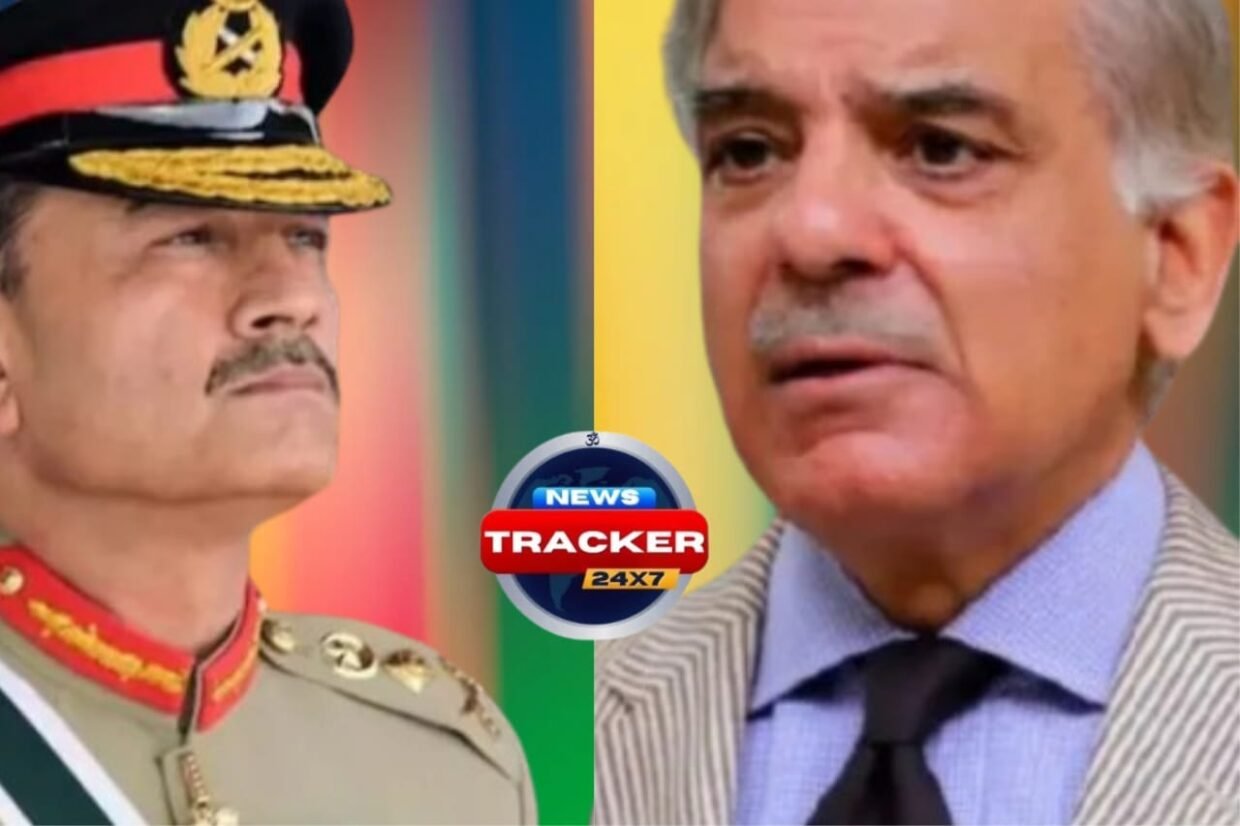
According to Lahore-based analyst Khan, Pakistan’s current political system is molded by the military’s enhanced involvement under Army Chief Field Marshal Asim Munir, which has left little room for diplomacy while elevating military responses to the long-standing TTP insurgency.
“If you leave it, even if it is a war against terrorism, only to the generals and exclude civilian political input and decision-making at the top, then you cannot win that war,” says Khan.
Pakistan’s concerns over India are also increasing. Islamabad has repeatedly accused New Delhi of aiding the TTP. Ties between the Afghan Taliban and New Delhi are improving, and the two sides are exploring creating trade channels around Pakistan.