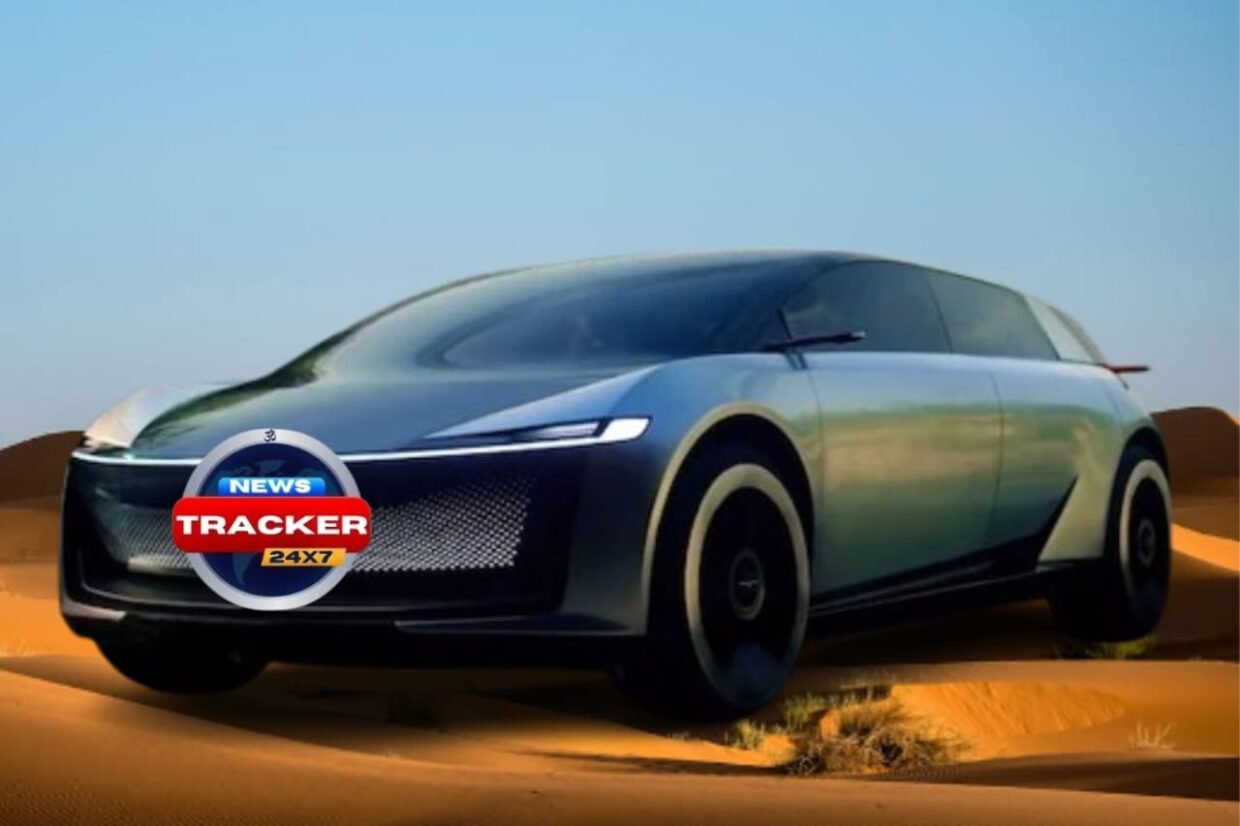
Tata Avinya : Tata Motors Passenger Cars has a detailed plan to grow its electric car selection in the Indian market. The brand has already announced the addition of five new electric vehicles to its inventory, with the goal of establishing a presence in several areas. As part of the process, the manufacturer plans to launch Avniya in the country by the end of 2026, followed by the Sierra EV and Punch EV.
Tata Avinya previously been exhibited in concept versions at several events.
Avinya has previously been exhibited in concept versions at several events. It will be based on Tata’s innovative Gen 3 EV architecture, which is a unique skateboard-style chassis intended specifically for battery-electric vehicles. This architecture is intended to support long-range capabilities, fast charging alternatives, and extensive software interaction, all while improving structural efficiency and enabling various component arrangements.
The Indian carmaker will also introduce three new nameplates between FY27 and FY30. Meanwhile, specifics about the launch of new products will be announced in the future. All of this happens just after Sierra was reintroduced into the country. It is worth noting that it is currently only equipped with an ICE powerplant. This is consistent with the brand’s strategy of offering ICE cars first, then EVs under the same moniker.

Tata Motors now offers many electric vehicle passenger vehicle models
Tata Motors now offers many electric vehicle (EV) passenger vehicle models, including the Nexon.ev, Harrier.ev, Punch.ev, Tiago.ev, and Curvv.ev. This distinguishes the brand throughout the market. Since the launch of its first electric vehicle, the firm has sold 250,000 EVs.

The Nexon.ev, in particular, has played an important role in this expansion, as it was the first electric car in India to sell over 100,000 units, marking a critical milestone in the country’s road toward EV adoption.
In terms of charging infrastructure development, the firm intends to significantly improve the availability of charging stations, with the goal of establishing one million charging points by 2030, as well as 100,000 public chargers, to support the expected increase in EV usage.
you join our whatsapp channel
you join our tazatimesnews Telegram Channel
you join our tazatimesnews truthsocial.com Channel
Also reads : How difficult is the admissions process at Princeton University, and is it useful?