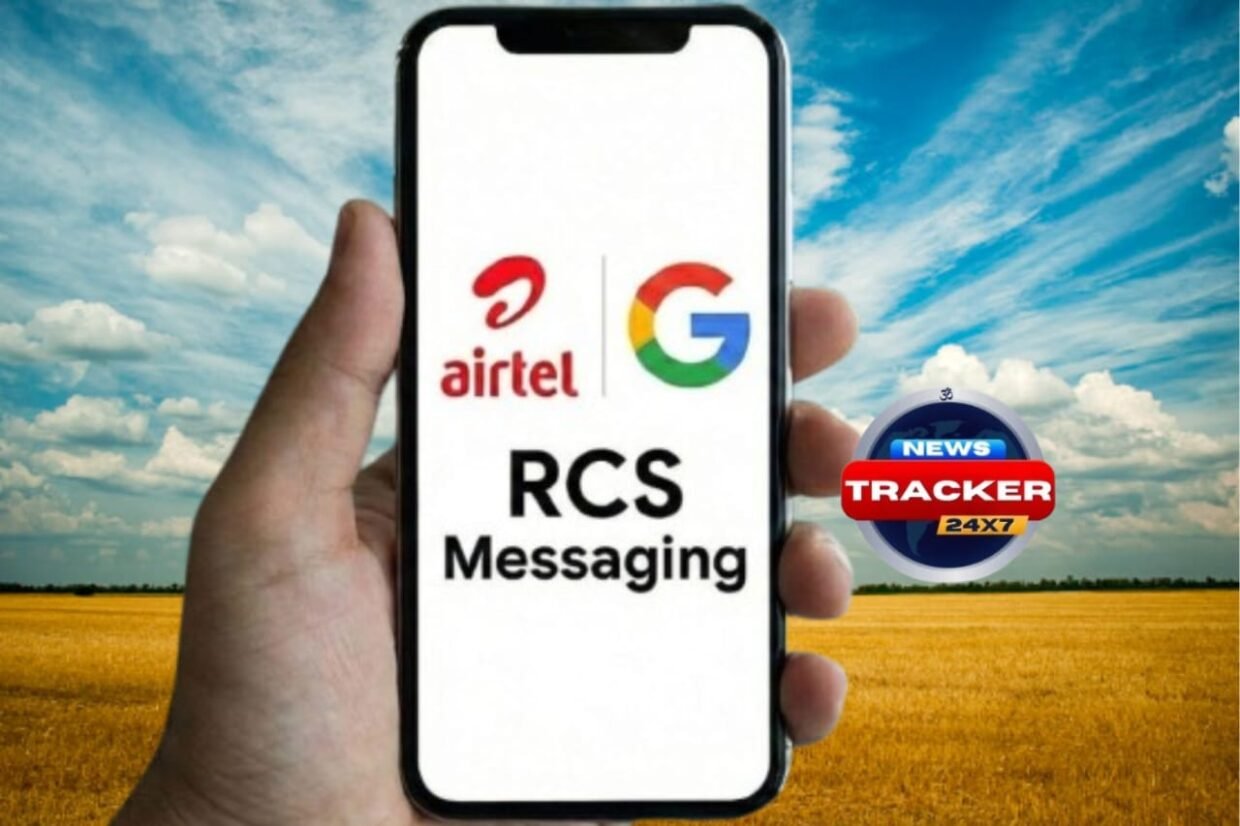
New RCS Service: Airtel, India’s second-largest cellular operator, has formed an exceptional partnership with Google. Airtel is now enabling RCS (Rich Communication Services) messaging on its network. This is a modern and improved version of SMS. This service includes functionality comparable to the WhatsApp messaging app within SMS.
This allows you to exchange photographs and movies over SMS, as well as participate in group discussions. According to reports, Airtel was previously hesitant to implement this technology due to spam concerns, but the service is now being rolled out following the development of a specialized solution with Google.

Why should you partner with Google rather than Apple?
According to ET Telecom (REF.), Airtel is deploying RCS messaging in India in collaboration with Google. The two companies formed this cooperation based on an 80:20 revenue split. For each RCS message, Airtel will charge ₹0.11.
Previously, Airtel declined to provide RCS functionality because to concerns over the platform’s increased spam. Airtel then placed its collaborations with Google and Apple on hold. Google has now agreed to integrate RCS with Airtel’s AI-powered spam filter. This means that once the RCS service is implemented, Airtel customers will no longer have to worry about spam.
RCS Service is available on all three major Indian networks.
Following this arrangement, all major Indian telecom operators—Airtel, Jio, and Vodafone Idea—now provide RCS messaging. Let us tell you that the GSMA launched RCS in 2007 to provide an enhanced version of the old SMS technology.

What benefits are you going to get?
With the introduction of RCS, Airtel subscribers will now have access to numerous advanced capabilities such as WhatsApp via SMS. This service is unique in that it works with both mobile data and Wi-Fi networks. This service allows users to share photographs, videos, and locations via SMS. Additionally, RCS will enable group chatting within the SMS app. RCS could eventually become the new messaging standard in India, making it faster, smarter, and more participatory.